
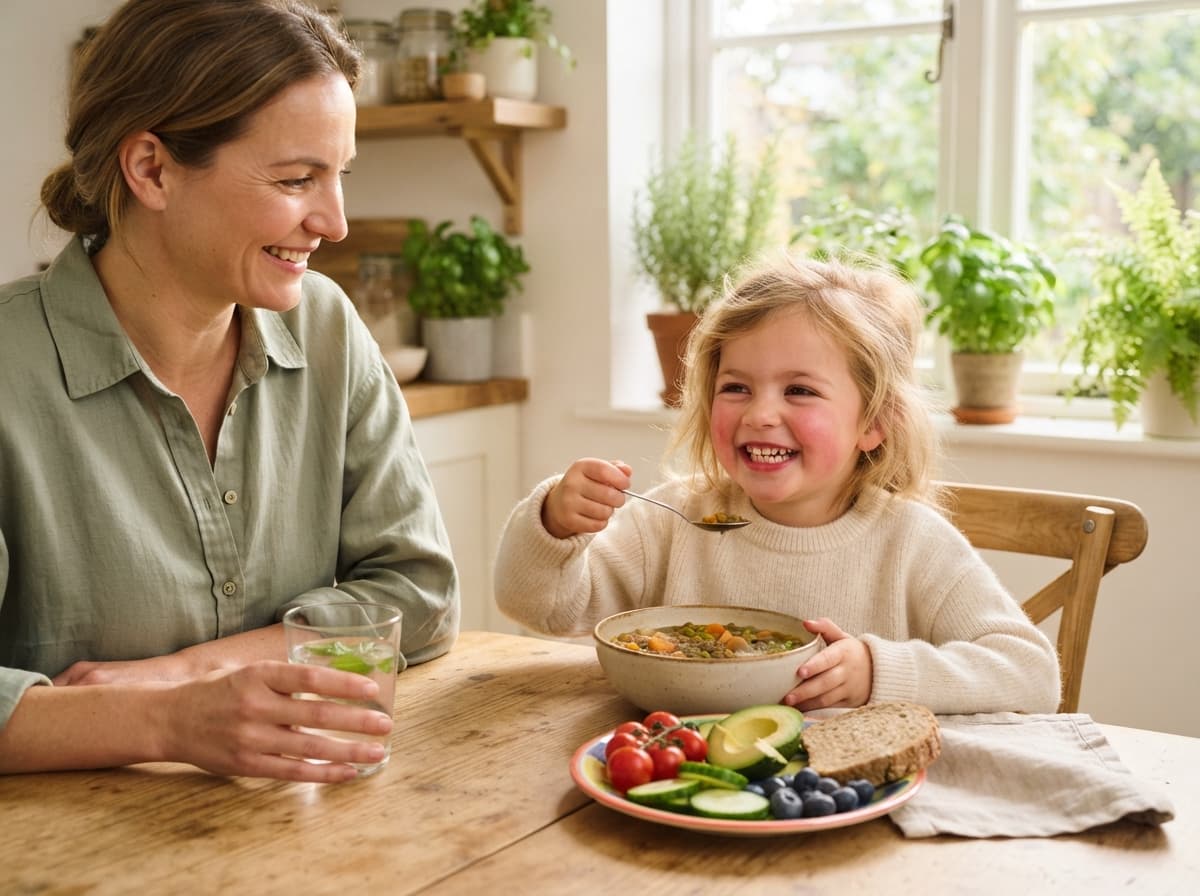
Every second mother faces this exhausting situation. Breakfast, lunch and dinner turn into a real ordeal. You spend hours coaxing your child to eat even one spoonful of soup, turn on cartoons and promise sweets, yet the little one turns away even from favourite dishes. Over time you notice that the child has become pale and listless, tires quickly at the playground and is often fussy for no reason. Why does a seemingly healthy child completely refuse to eat, and where is the root of the problem hidden?
Why does a child refuse to eat?
Loss of appetite can be linked to teething, a mild cold or ordinary stress — for example, while adjusting to kindergarten. In such cases, interest in food returns within a couple of days. But if the poor appetite persists for weeks, the problem lies much deeper.
Most often the cause of a persistent refusal to eat in preschool and school-age children is parasites (worms). Little ones actively explore the world: they play in sandboxes, pet street animals and put toys in their mouths. The likelihood of infection during this period is enormous.
How can you tell if your child has worms?
Parasites disguise themselves very cunningly, but there are clear signals that let you suspect something is wrong. Pay attention to the following symptoms:
- The child often complains of discomfort or pain around the navel.
- Unexplained nausea appears, especially in the morning.
- There is severe bloating and disturbed bowel movements.
- The child grinds their teeth in their sleep and often wakes up.
Having settled in the intestines, parasites begin to take all the most valuable nutrients from food. At the same time they release toxins that poison the child's body. It is precisely because of this constant intoxication that the child becomes pale and listless and completely loses the desire to eat.
A parents' mistake: why don't appetite vitamins help?
Seeing that the little one won't eat anything, parents often make the same mistake. They buy expensive vitamin syrups for appetite or try to feed the child by force.
However, such methods help only temporarily (or do not help at all) and do nothing to remove the main cause. Giving vitamins to an infected body means feeding the parasites, not the child. Until the intestines are cleansed, beneficial micronutrients simply will not be absorbed, and the intoxication will continue to suppress the natural feeling of hunger.
Gentle cleansing of the body: why is a long course needed?
Restoring the normal work of a child's gastrointestinal tract takes time and a careful approach. Aggressive pharmacy anti-worm tablets work quickly, but often cause serious side effects, straining the child's still-fragile liver.
That is why most paediatricians and nutritionists recommend a gentle, long, course-based approach using natural ingredients. Gradual cleansing allows the body to safely get rid of the «uninvited guests», remove accumulated toxins and smoothly restore the intestinal microflora.
What to give a child for appetite and cleansing?
That is exactly why caring mothers choose natural complexes that work gently and effectively. Gelmin Kids is an excellent solution for supporting a child's body. It is a safe anti-parasitic complex based on natural extracts, developed specifically for children aged 2 and over.
It not only helps to gently cleanse the body of common parasites (pinworms, roundworms and giardia), but also helps relieve intoxication. Thanks to this mild action, the child's digestion naturally improves, a healthy glow and energy return and, most importantly, a great appetite comes back.
Support your little one's health with the power of nature, and let every meal bring nothing but joy!