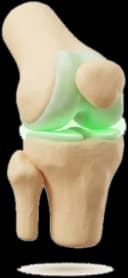
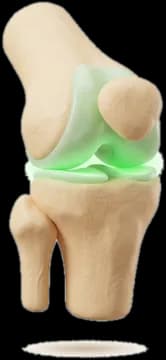
What is it?
Aseptic necrosis (avascular necrosis) is a serious progressive disorder marked by the non-infectious cellular death (necrosis) of bone components due to a critical breakdown in local microcirculation. It most commonly targets high-load skeletal sites: the femoral head (hip joint), knees, and shoulders. Deprived of oxygen and essential nutrients, the bone structure loses mechanical strength, develops subchondral microfractures, collapses, and ultimately leads to debilitating osteoarthritis (coxarthrosis) and physical disability.
The major danger of this condition lies in its subtle beginning: early aches occur purely during physical strain and vanish at rest, leading many patients to overlook the warning signs. If blood supply is not promptly restored, structural bone failure accelerates, drastically limiting mobility. Early diagnostic screening, microvascular reconditioning, mechanical offloading, and targeted natural chondro-support are essential steps toward saving the biological joint and preventing total hip replacement surgery.
Main symptoms
- Pain radiating to the groin and buttocks: Deep aching triggered by femoral head degeneration that spreads downward into the knee, groin, and lumbar spine.
- Mobility restriction and persistent limping: Reduced rotational flexibility (inward/outward movement of the thigh) that creates an uneven gait.
- Constant aching even at rest: As the disease advances, discomfort persists through the night and during complete bed rest.
- Change in the anatomical shape of the limb (leg shortening): As the femoral head loses its structural contours and becomes deformed, the true functional length of the leg decreases, worsening the limp.
- Periarticular muscle atrophy: Involuntary guarding and prolonged lack of movement cause progressive thinning and weakening of the thigh and gluteal muscles.
- Joint clicking (popping) and stiffness: Progressive cartilage erosion produces audible joint clicking/crepitus during movement alongside morning rigidity.
Causes and risk factors
- Joint trauma and microtrauma: Femoral dislocations, femoral neck fractures, and direct tears to vital nutrient arteries.
- Unmonitored corticosteroid use: Prolonged or high-dose steroid medications triggering microvascular constriction and ischemia.
- Chronic alcohol consumption: Elevated circulating lipids causing micro-embolisms that block terminal intraosseous capillaries.
- Vascular disorders and coagulopathies: Hyperviscosity syndromes, thrombotic tendencies, and underlying systemic vasculitis.
- Excessive physical overloading and obesity: Chronic, unmitigated biomechanical stress exerted on major weight-bearing articulations.
- Severe viral and systemic pathologies: Post-inflammatory vascular endothelial damage resulting in critical bone tissue hypoxia.
Prevention and self-care
Actively stimulating joint microcirculation
Incorporating low-impact physical therapy workouts and daily stretches to prevent circulatory stasis.
Avoiding unprescribed hormonal medications
Taking steroid-based drugs strictly under medical guidance at the lowest viable therapeutic doses.
Relieving mechanical joint pressure
Maintaining optimal body weight, avoiding heavy lifting, and resting the affected joint whenever aching starts.
Eradicating harmful lifestyle habits
Eliminating tobacco use to avoid vasospasm and stopping excessive alcohol consumption to keep blood thin and fluid.
Promoting vascular elasticity and hydration
Maintaining regular daily fluid intake while reducing sodium and saturated fat consumption.
Supporting skeletal matrices with targeted botanicals
Taking bioavailable collagen, organic minerals, and active plant extracts before structural bone collapse begins.
Nutva
Nutva products to support your body
As a complement to a healthy lifestyle. These products are not medicines.
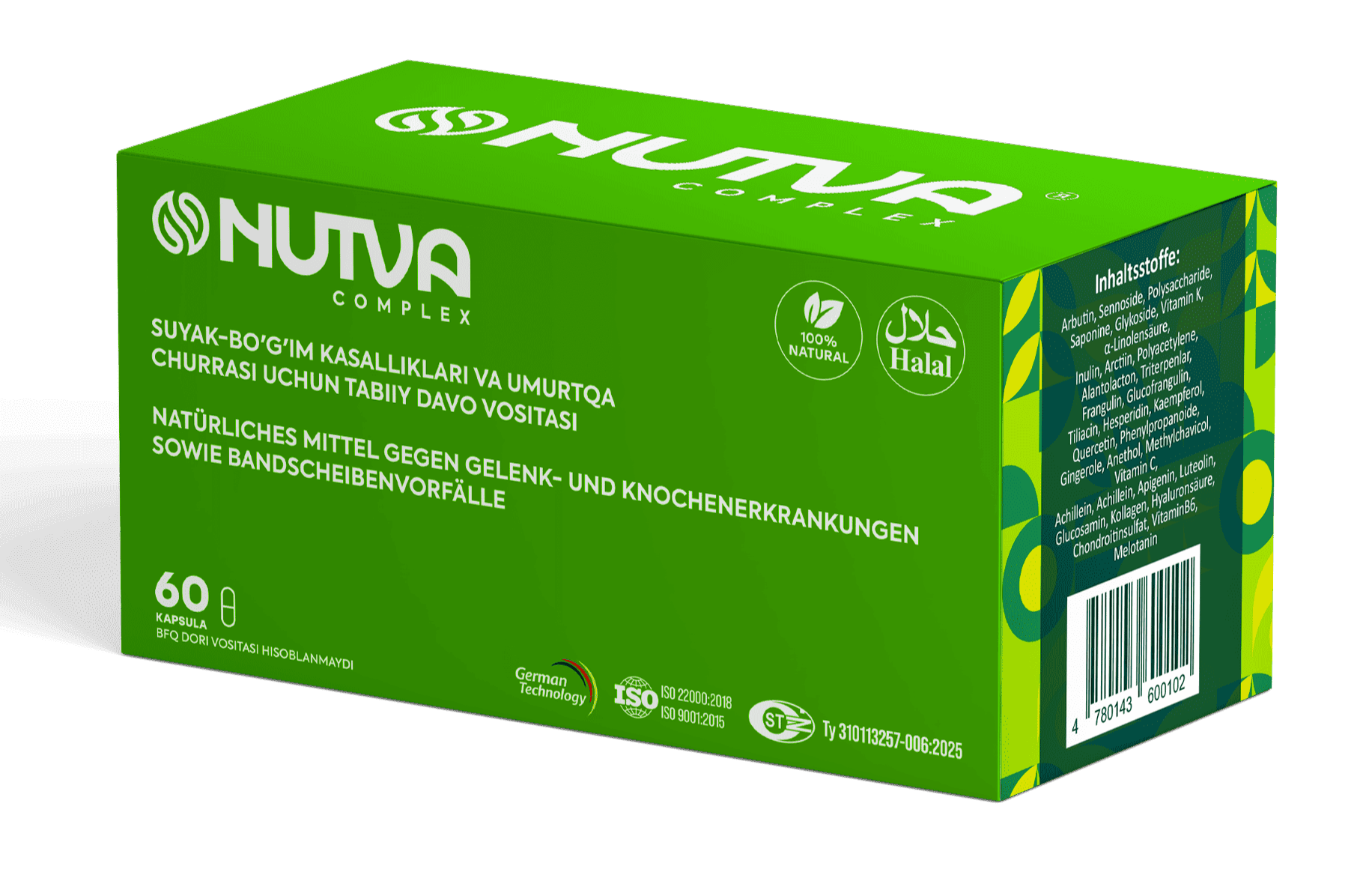
Nutva Complex (German Technology)
Natural bioactive collagen, glucosamine, and concentrated botanical extracts deliver structural nutrients directly into inner bone and cartilage matrices. It curbs osteocyte breakdown while strengthening flexibility and load resistance.
1 280 000 760 000 UZS · per box · when buying 3
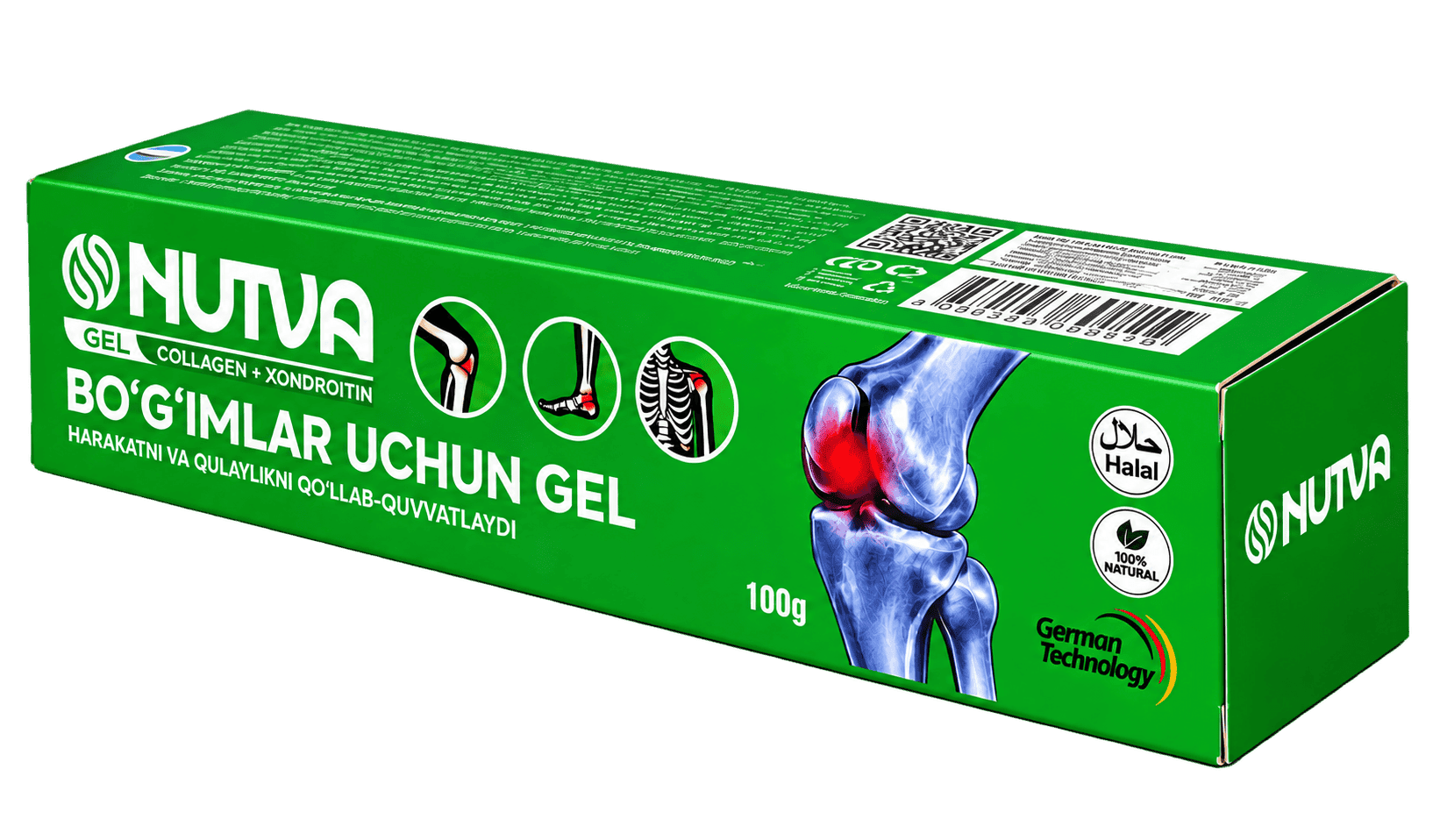
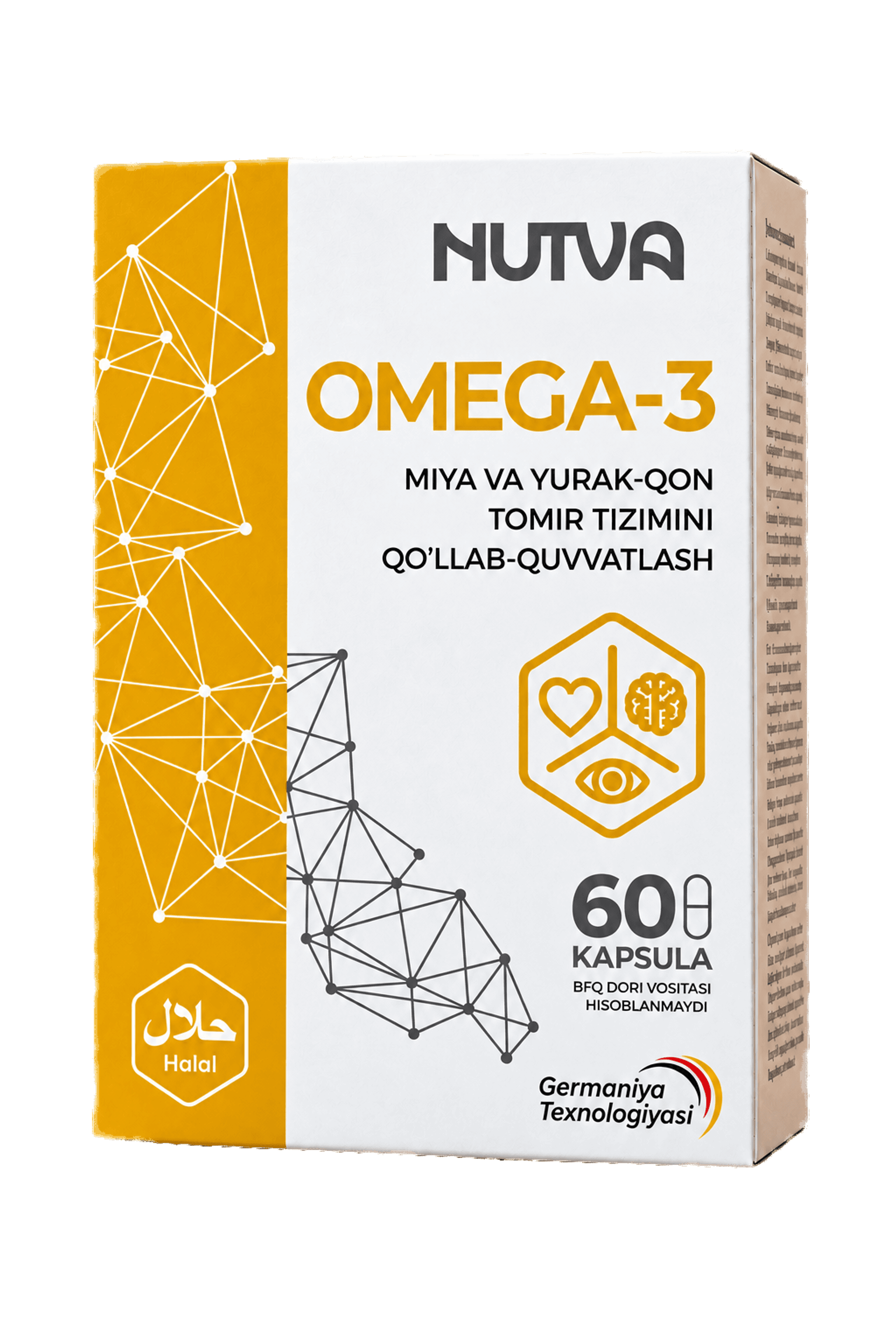
Nutva Omega-3
Reduces blood hyperviscosity, improves microcapillary flow dynamics, and prevents microthrombosis. By supporting constant tissue oxygenation, it shields fragile bone zones from secondary necrotic degradation.
640 000 380 000 UZS · per box · when buying 3