What is it?
Vitamin B12 (cobalamin) and folate (vitamin B9) are water-soluble vitamins the body needs to make blood cells, divide cells and keep the nervous system working normally. B12 is found mainly in animal foods — meat, liver, fish, eggs and dairy; folate is plentiful in leafy greens, legumes, citrus fruit and liver. The two vitamins work closely together, so a shortage of either often produces similar symptoms.
Deficiency does not appear overnight: the liver holds a store of B12 that can last for years, while the folate store is much smaller and runs down faster. A monotonous diet, limiting animal foods, poor absorption in the digestive tract or long-term use of certain medicines can leave needs unmet. Symptoms build up slowly, so they are often mistaken for ordinary tiredness.
Main symptoms
- Weakness and fatigue: energy runs out by midday and even light effort feels tiring.
- Pallor: skin and mucous membranes look paler, and sometimes a slight yellowish tinge appears.
- Breathlessness and a racing heart: noticeable on stairs or with light activity.
- Tongue and mouth changes: a smooth, red, sore tongue and cracks at the corners of the mouth are possible.
- Tingling in hands and feet: low B12 can cause pins and needles and unsteadiness when walking.
- Focus and mood: concentration is harder, memory is weaker and mood is lower.
Causes and risk factors
- Plant-based eating: if meat, fish, eggs and dairy are rare or absent, the risk of low B12 rises.
- Few folate-rich foods: a diet short on fresh greens, vegetables and legumes can lead to low folate.
- Stomach and bowel changes: chronic gastritis, intestinal disease and digestive-tract surgery reduce B12 absorption.
- Long-term use of some medicines: acid-reducing drugs and metformin for diabetes can affect B12 absorption.
- Alcohol: heavy drinking interferes with folate absorption and metabolism.
- Age and higher needs: B12 absorption declines in older age; pregnancy and breastfeeding raise the need for folate and B12.
Prevention and self-care
Eat a varied diet
Include meat, fish, eggs and dairy through the week — they are the main sources of B12.
Eat more greens
Spinach, parsley, salad leaves, legumes and citrus fruit are rich in folate. Do not overcook them, because heat breaks folate down.
Plan a plant-based diet
If you limit animal foods, plan a B12 source in advance: plant foods contain almost none.
Avoid alcohol
Alcohol and smoking both disturb how the body handles vitamins.
Check your levels now and then
If you are in a risk group, have B12 and a full blood count checked from time to time.
Look after digestion
Eat slowly and calmly, and do not ignore stomach or bowel discomfort: vitamin absorption depends on gut health.
Nutva
Nutva products to support your body
As a complement to a healthy lifestyle. These products are not medicines.
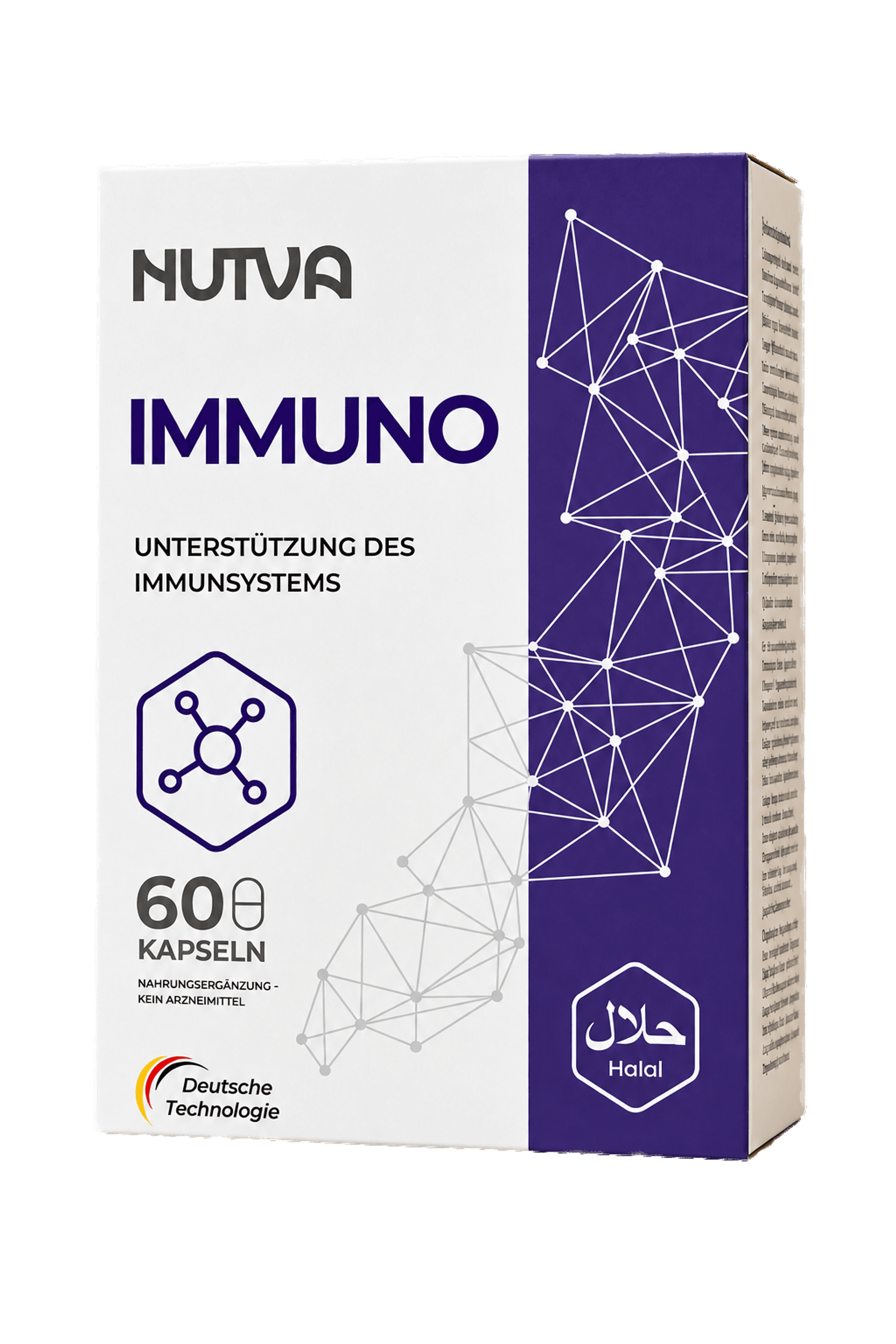
Nutva Immuno
Nutva Immuno contains vitamin B12 (methylcobalamin) and folate (5-methyltetrahydrofolate, 5-MTHF, the active form), which take part in cell division, blood formation and amino acid metabolism. Iron, B6 and vitamin C also support normal blood formation and energy metabolism. The product does not replace a balanced diet.
1 230 000 730 000 UZS · per box · when buying 3
Nutva Immuno contains iron, copper and vitamin A: it is not taken with iron overload (hemochromatosis) or Wilson's disease, or together with other iron supplements; in pregnancy it is not taken without the prescribed plan. It does not replace prescribed treatment for B12 or folate deficiency.