
What is it?
Stress is the body's natural response to a difficult situation. Short-term stress is useful: it sharpens attention and gives you energy. But when tension lasts for weeks or months, stress hormones (cortisol, adrenaline) stay high and harm the nervous system, sleep, immunity, the heart and digestion.
Chronic stress and nervous exhaustion develop gradually: first sleep and mood suffer, then concentration, memory and performance decline. The nervous system needs B vitamins, magnesium, omega-3 fatty acids and inositol to work normally — a shortage of them makes fatigue worse.
Main symptoms
- Constant tiredness that doesn't go away even after rest
- Trouble falling asleep or waking often at night
- Irritability, anxiety and mood swings
- Difficulty concentrating, forgetfulness
- Headaches, muscle tension
- A racing heart, changes in appetite
Causes and risk factors
- Long-lasting pressure at work or at home
- Lack of sleep and an irregular daily routine
- Long evenings in front of phone and computer screens
- Inactivity and no proper rest
- Too much caffeine, energy drinks and alcohol
- A shortage of B vitamins, omega-3 and other nutrients
Prevention and self-care
- 1
Restore your sleep routine
Go to bed and get up at the same time every day; put away your phone and screens an hour before bed.
- 2
Move every day
A 30-minute walk or workout lowers stress hormones and lifts your mood.
- 3
Practise breathing exercises
Slow, deep breathing (breathe in for 4 seconds, out for 6) quickly calms the nervous system.
- 4
Limit caffeine
No more than 2–3 cups of coffee or strong tea a day, and preferably none after lunch.
- 5
Eat well
Fish, nuts, legumes, whole grains and greens supply the nutrients your nervous system needs.
- 6
Talk to people close to you
Don't bottle things up: conversation, hobbies and time in nature ease tension.
When to see a doctor
Don't treat yourself in these cases — see a doctor:
- Low mood or loss of interest in everything lasts more than 2 weeks
- You have thoughts of harming yourself — seek help from a specialist immediately
- Insomnia lasts more than a month
- You have panic attacks (sudden fear, racing heart, shortness of breath)
Nutva products to support your body
As a complement to a healthy lifestyle and your doctor's advice. These products are not medicines.
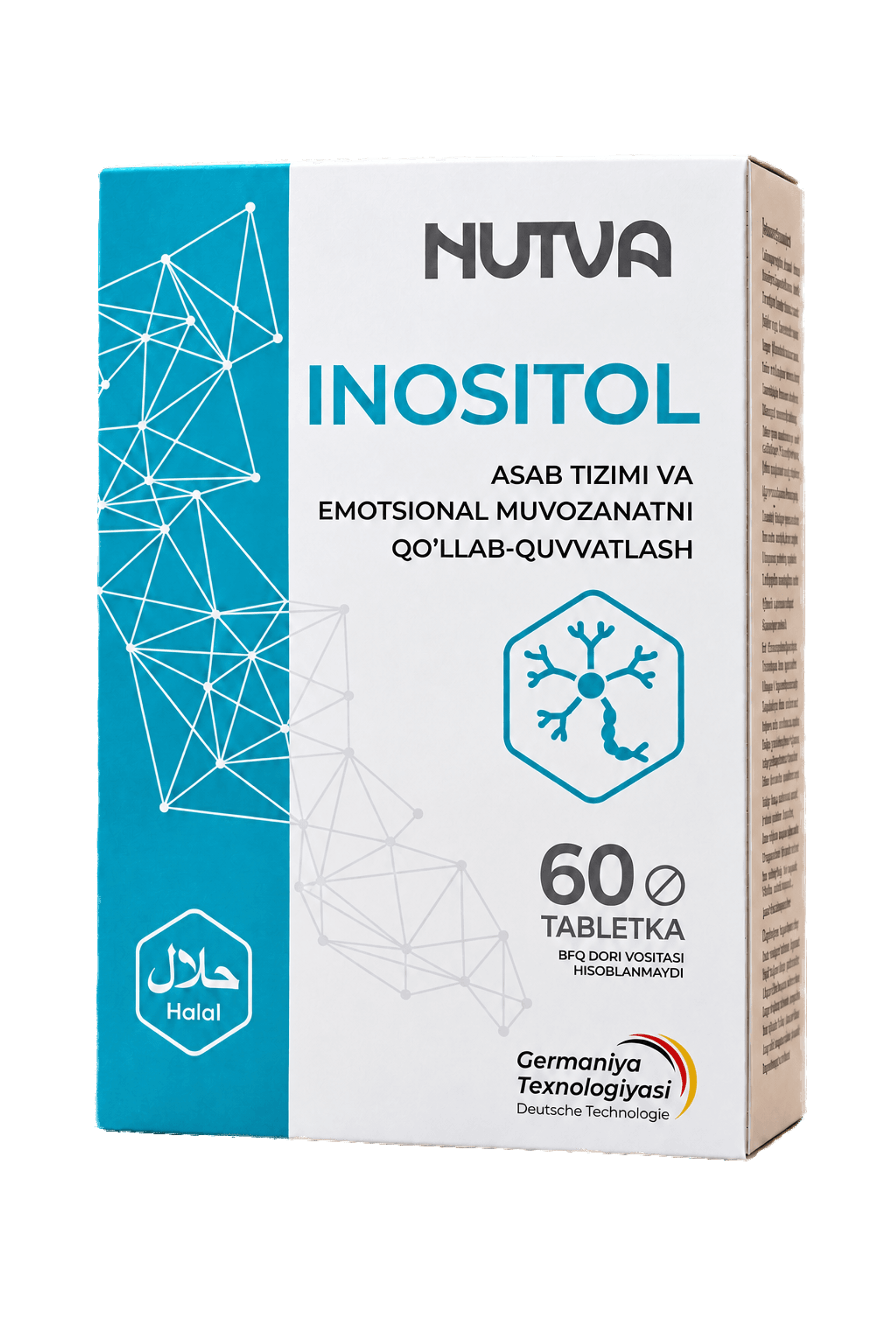
Nutva Inositol
Myo-inositol is involved in signalling between nerve cells and supports normal nervous system function.
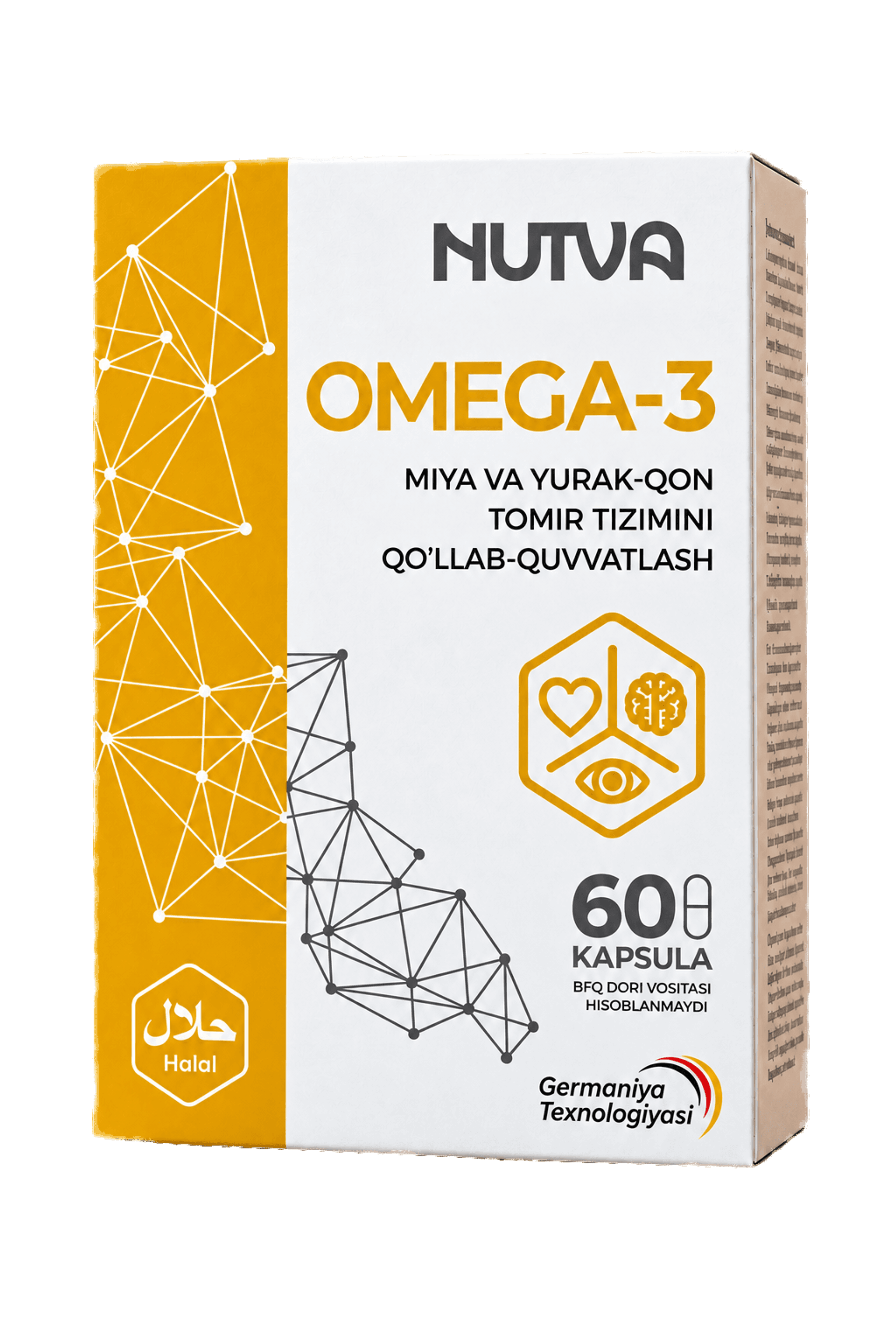
Nutva Omega-3
DHA is a key structural component of brain-cell membranes; omega-3 fatty acids support normal brain and nervous system function.
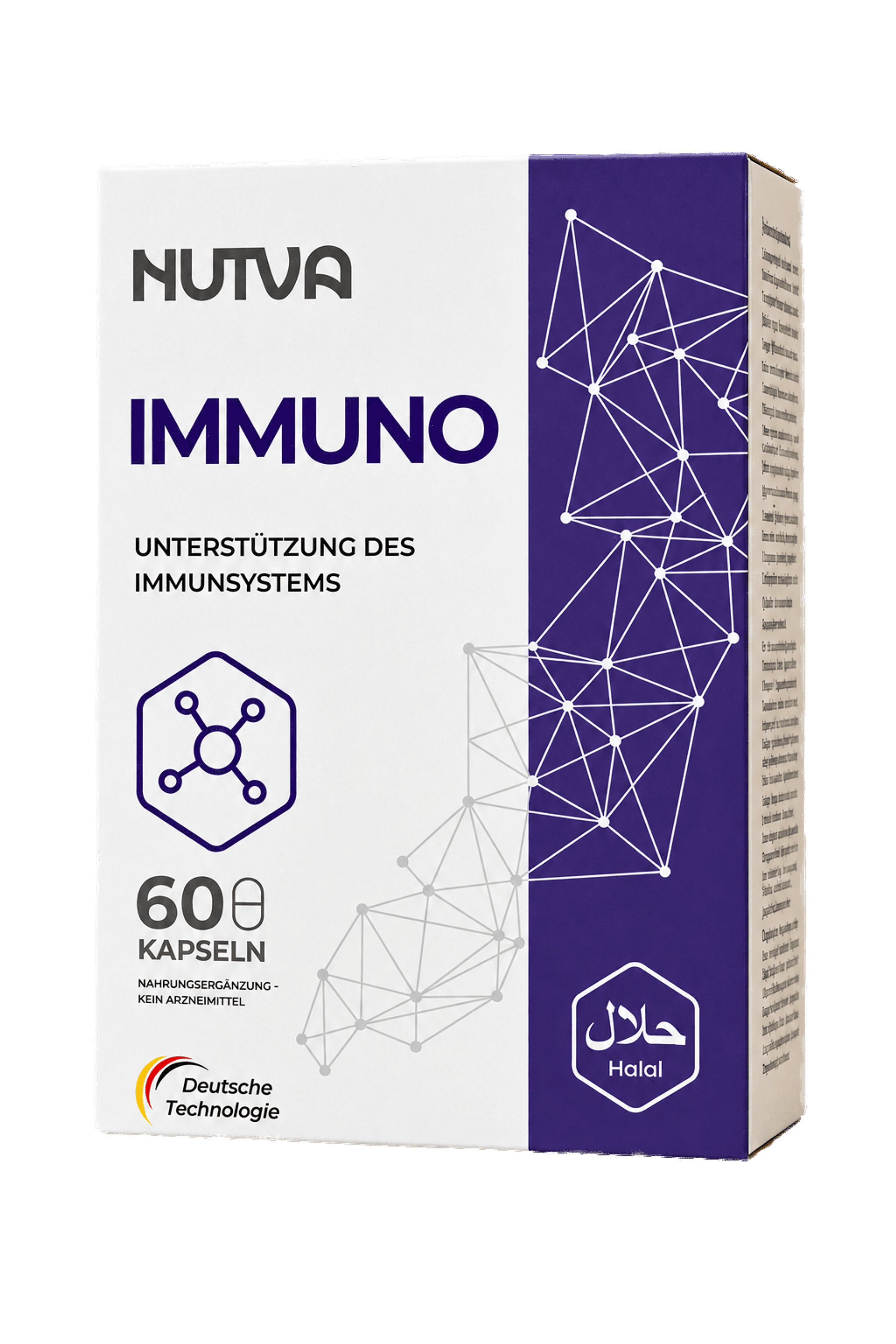
Nutva Immuno
Vitamins B1, B2, B3, B5, B6, B12 and folate contribute to normal nervous system function and the reduction of tiredness; vitamin C and iron are involved in energy metabolism.
Which product is right for you?
Our specialists offer free advice and will help you choose a product for your situation.
Call: 1294