What is it?
Mild cognitive impairment is a state in which changes in memory or thinking are more noticeable than expected for a person's age, yet the person can still manage everyday tasks independently. The change is often spotted by the person themselves or by those close to them.
In some people these changes stay stable for a long time, while in others they may increase over time. That is why sleep, movement, keeping blood pressure and sugar under control, and attention to food all matter. The omega-3 fatty acid DHA is part of brain tissue, and the quality of fats in the diet is linked with brain health.
Main symptoms
- Forgetting appointments and plans: things that used to be easy to remember now slip away more often.
- Repeating questions and remarks: asking the same thing again after forgetting the answer.
- Losing the thread of a conversation: forgetting what was being discussed halfway through a sentence.
- Trouble planning and organising: complex tasks and calculations take more effort.
- Difficulty finding words: recalling the right word takes longer than before.
- Others notice: family and friends may notice a change in memory or thinking.
Causes and risk factors
- Age: the likelihood of changes rises as people get older.
- Vascular factors: high blood pressure, diabetes and high cholesterol.
- Poor sleep: too little sleep or breathing problems during sleep affect attention and memory.
- Emotional state: long-lasting low mood and anxiety.
- Hearing loss, inactivity, smoking and alcohol: factors unfavourable for the brain.
- Head injury and nutrient shortfalls, for example too little vitamin B12.
Prevention and self-care
Move regularly
Brisk walking or light exercise several times a week helps blood flow to the brain.
Keep blood pressure and sugar in check
Normal readings help protect the blood vessels of the brain.
Look after your sleep
Go to bed and get up at the same time, and avoid heavy meals and caffeine in the evening.
Stay mentally active
Reading, learning something new, games and crafts exercise the brain.
Eat more vegetables, nuts and fish
A diet rich in vegetables, with oily fish twice a week, is beneficial.
Do not smoke, limit alcohol
Giving up these habits is good for overall health and for the brain.
Nutva
Nutva products to support your body
As a complement to a healthy lifestyle. These products are not medicines.
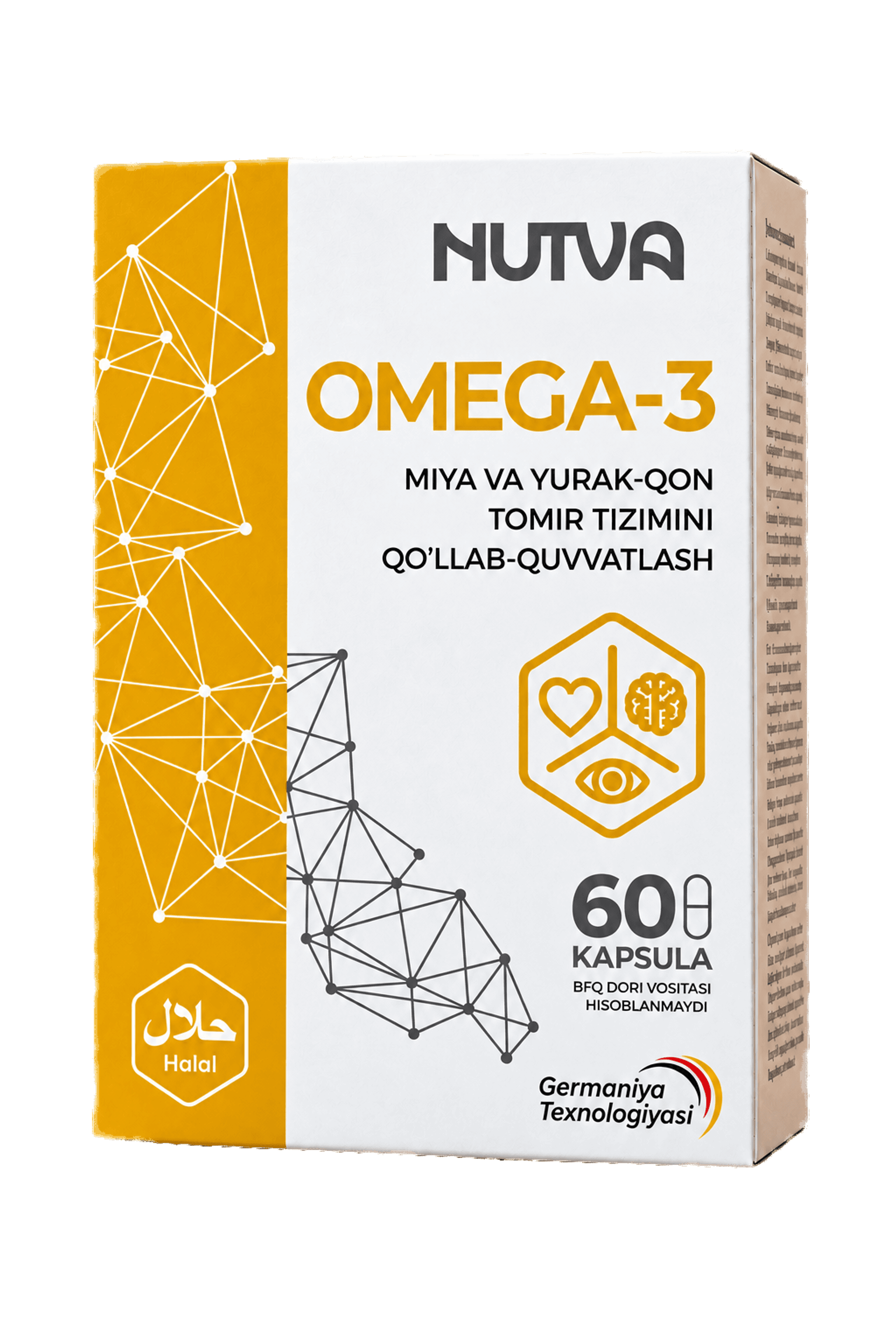
Nutva Omega-3
DHA in Nutva Omega-3 is an omega-3 fatty acid studied in scientific work on the brain and nervous system; the product also contains EPA. The daily 2 capsules give 600 mg of DHA and 900 mg of EPA. The product supports the body and does not replace a healthy lifestyle.
640 000 380 000 UZS · per box · when buying 3
Nutva Omega-3 is not taken together with blood-thinning medicines or before surgery.