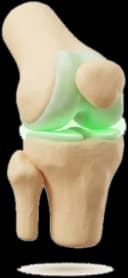
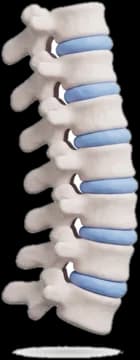
What is it?
An intervertebral disc herniation (spinal disc hernia) is a pathological condition in which a disc that cushions and connects adjacent vertebrae loses its hydration and elasticity, resulting in a tear in its outer annulus fibrosus and extrusion of the soft nucleus pulposus. The protruding inner gel impinges directly upon the spinal canal and adjacent nerve roots. This mechanical compression triggers sharp radiating pain, neural inflammation, severe protective muscle spasms, and numbness throughout the arms or legs.
The condition most commonly develops in the lumbar and cervical regions. In many instances, initial dull aches in the lower back are dismissed as simple muscular fatigue. However, protracted compression of spinal nerve roots can cause serious long-term complications, including sensory loss, muscular drop, and pelvic organ dysfunctions. Early detection, reducing mechanical axial compression, resolving soft-tissue inflammation, and nourishing damaged fibrocartilaginous matrices allow patients to restore pain-free mobility without undergoing surgical interventions.
Main symptoms
- Sharp radiating pain into the leg or arm: Lumbar disc pressure typically tracks downward along the sciatic nerve into the gluteus, thigh, and foot (sciatica).
- Numbness, tingling, and sensory deficit: Compressed nerve roots produce a persistent "pins and needles" sensation across the toes, heels, or shoulder girdle.
- Spinal and cervical stiffness (restricted movement): Involuntary muscular guarding sharply impedes bending forward, extending backward, and turning the head.
- Muscular weakness in the limbs: Interrupted nerve conduction diminishes motor strength, making it challenging to push off, walk on tiptoes, or lift the heel.
- Pain escalation during coughing, sneezing, and sitting: Any sudden rise in intra-abdominal pressure or prolonged axial loading worsens neural impingement.
- Postural distortion (antalgic scoliosis): Patients involuntarily list or tilt their torso away from the painful side to reduce compression on the nerve.
Causes and risk factors
- Heavy physical exertion and improper lifting technique: Lifting loads with a flexed back rather than bending the knees concentrates catastrophic shear forces on the disc.
- Sedentary lifestyle (hypodynamia): Sitting for hours without movement restricts microvascular circulation and slows diffusion of nutrients into avascular discs.
- Spinal osteochondrosis: Progressive disc dehydration, structural thinning, and loss of tensile collagen integrity.
- Excess body weight: Every extra kilogram amplifies the continuous vertical compressive stress exerted on lumbar disc structures.
- Spinal trauma and micro-injuries: Falls, sudden torsional twists, or vehicular accidents that tear fibrocartilage rings.
- Postural deformities (scoliosis, hyperkyphosis): Asymmetrical biomechanical load distribution along the spine accelerates premature localized disc breakdown.
Prevention and self-care
Strengthening core and paraspinal muscles
Daily gentle therapeutic stretching and postural conditioning exercises to decompress the vertebral column.
Practicing proper body mechanics
Always bending at the knees to lift objects from the floor and avoiding rapid rotational twisting under load.
Maintaining ergonomic alignment when seated
Taking brief walking intervals every 45–60 minutes and utilizing lumbar-support seating.
Maintaining an optimal body weight
Keeping caloric balance to reduce excessive vertical compressive loads on lower back discs.
Consistent daily hydration
Drinking sufficient purified water throughout the day to retain intradiscal fluid volume and cushioning capacity.
Timely cartilage nutrition
Taking bioactive collagen, glucosamine, and botanical extracts early to protect intervertebral discs against dehydration and degeneration.
Nutva
Nutva products to support your body
As a complement to a healthy lifestyle. These products are not medicines.
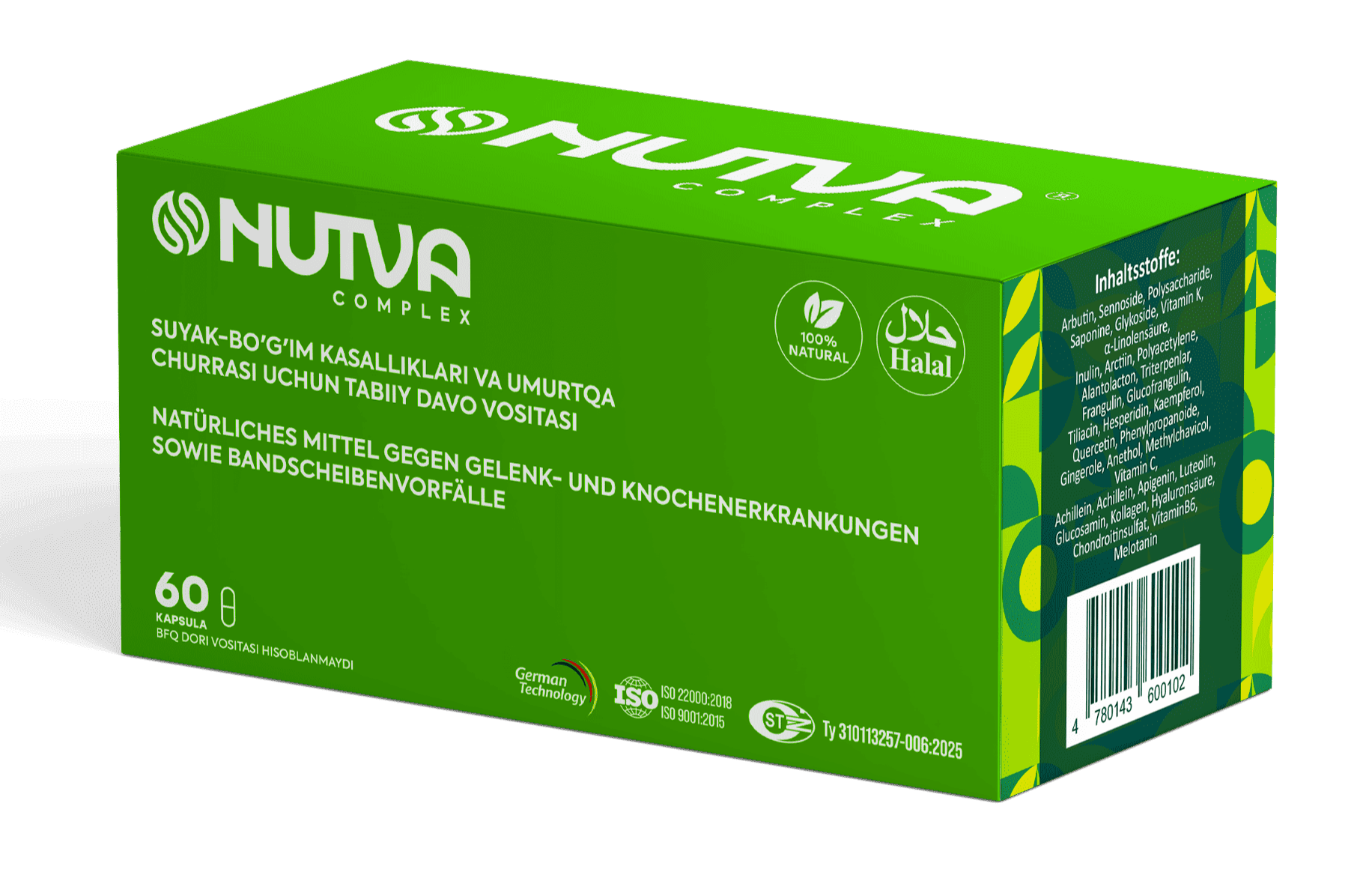
Nutva Complex (German Technology)
Natural bioactive collagen, glucosamine, and targeted herbal extracts provide restorative nutrition to the ruptured annulus fibrosus, rebuilding structural strength and elasticity. It halts further degenerative cartilage erosion while assisting in the recovery of normal shock-absorbing capacity.
1 280 000 760 000 UZS · per box · when buying 3
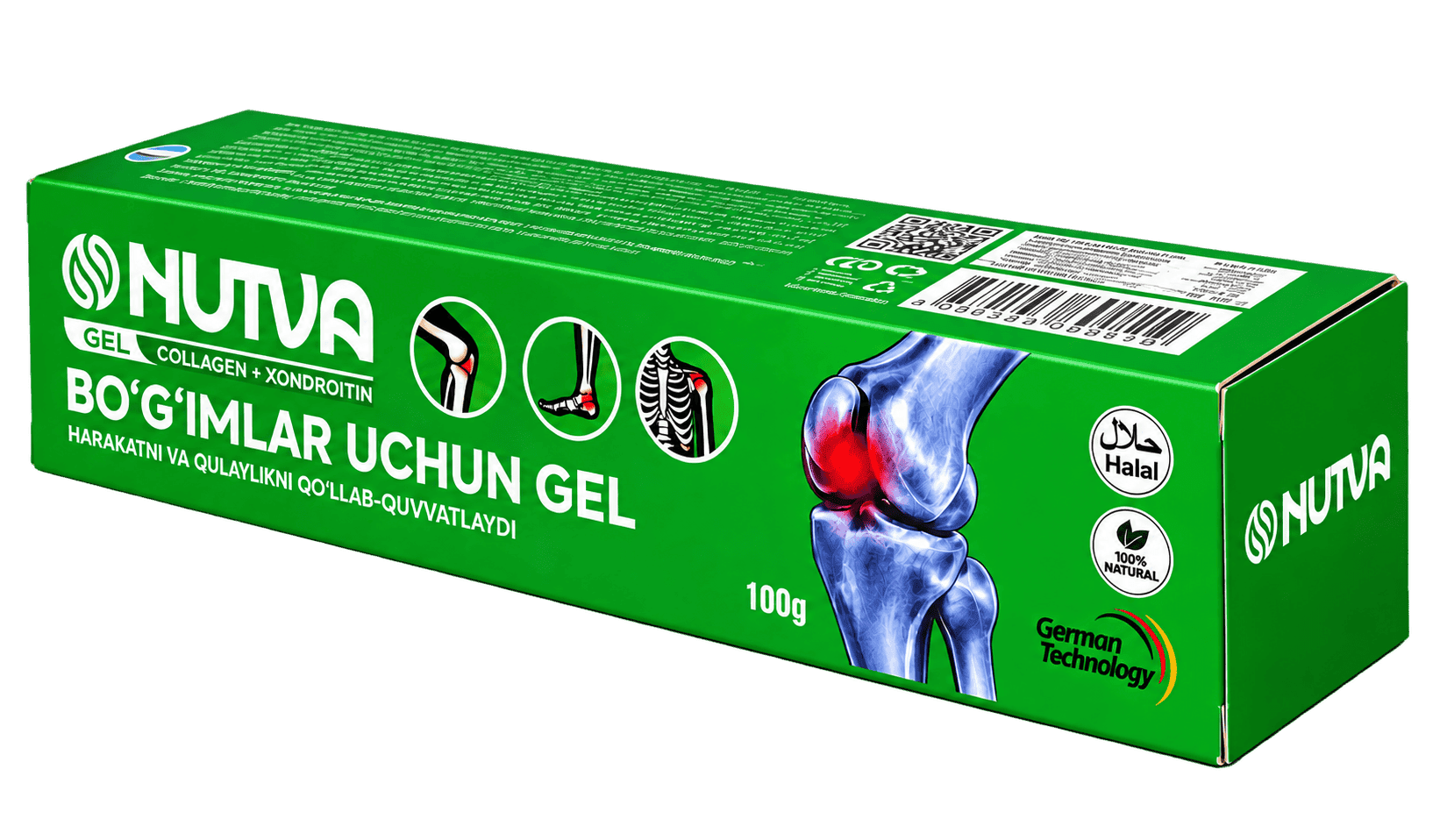
Nutva Gel
Rapidly releases intense muscular contractures and spasms in the lumbar, cervical, and dorsal regions while soothing local peri-radicular edema and acute pain. Essential oils stimulate microcirculation, mitigating limb numbness caused by nerve compression.
480 000 280 000 UZS · per box · when buying 3
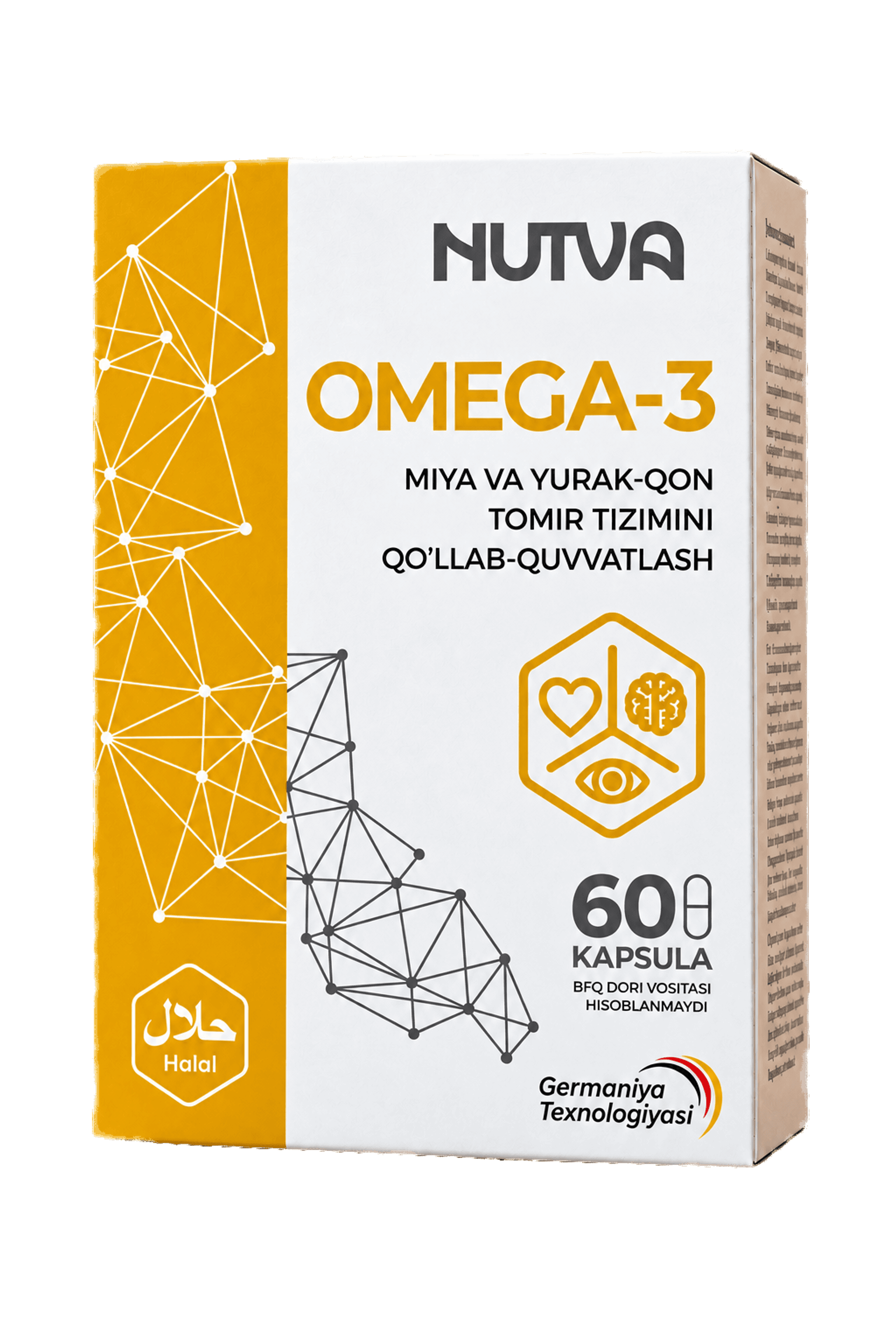
Nutva Omega-3
Clears chronic inflammation surrounding pinched nerve roots, preserves capillary wall elasticity, and promotes nutrient delivery into spinal tissues.
640 000 380 000 UZS · per box · when buying 3