What is it?
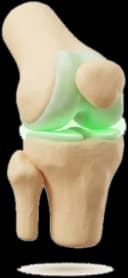
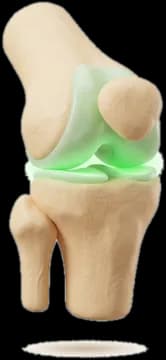
Joint pain (arthralgia) is not an isolated disease, but a crucial clinical manifestation stemming from deep-seated tissue inflammation, structural degradation, or metabolic imbalances within the body. When the articular cartilage—which cushions bones and mitigates frictional wear—thins out, intra-articular synovial fluid levels drop, or the synovial membrane becomes inflamed, surrounding nerve endings become irritated, producing severe pain and movement limitations.
Initially, discomfort tends to be intermittent, surfacing primarily during sudden weather shifts, prolonged standing, or following heavy physical labor, before progressing into persistent, daily soreness. If nutritional deficiencies within periarticular structures and chronic low-grade inflammation remain unaddressed, the condition can advance into irreversible degenerative disorders such as osteoarthritis and arthritis, leading to visible bone deformities and total functional disability. Replenishing vital cartilage matrices with bioavailable collagen and targeted minerals while enhancing local circulation safeguards sustained joint flexibility and comfortable mobility.
Main symptoms
- Pain exacerbation during physical exertion: Sharp or deep aching in the knees, hips, shoulders, and ankles while climbing stairs, carrying loads, or walking long distances.
- Morning stiffness and restricted range of motion: A pronounced feeling of rigidity upon waking, often requiring 20 to 30 minutes of gentle warm-up to regain fluid movement.
- Joint clicking, popping, and grinding noises (crepitus): Audible grating sounds caused by dry friction between opposing bone surfaces due to synovial fluid depletion and cartilage loss.
- Swelling, erythema, and localized warmth: Visible joint enlargement accompanied by skin redness and distinct heat over the affected articulation during inflammatory flare-ups.
- Sensitivity to barometric and weather changes: Pronounced deep aching and persistent soreness triggered by drops in ambient temperature, rainy days, or high humidity.
- Structural deformity of fingers and smaller joints: Gradual thickening, bony enlargement, and angulation changes around small peripheral joints in chronic stages.
Causes and risk factors
- Age-related degenerative wear of cartilage: Natural depletion of systemic endogenous collagen and hyaluronic acid synthesis over time, causing structural thinning of articular cushions.
- Excess body weight and mechanical overloading: Elevated body mass exponentially multiplies the compressive biomechanical load delivered to knees, hips, and ankles.
- Previous traumas and micro-injuries: Joint dislocations, ligamentous sprains, blunt impacts, and repetitive strain injuries that healed incompletely.
- Metabolic disturbances and crystal deposition: Hyperuricemia leading to urate crystal deposition (gout) along with systemic micronutrient deficiencies.
- Physical inactivity (sedentary lifestyle): Insufficient daily movement that impedes the production and circulation of nourishing intra-articular synovial lubricant.
- Chronic bacterial and viral infections: Post-infectious reactive synovitis secondary to untreated streptococcal throat ailments or systemic microbial exposure.
Prevention and self-care
Low-impact joint-friendly physical activity
Regular participation in swimming, brisk flat-ground walking, and gentle daily mobility stretches that avoid axial concussive stress.
Strict body weight management
Keeping caloric intake and refined carbohydrates balanced to reduce continuous vertical compression on load-bearing joints.
Shielding joints from damp and cold environments
Wearing protective thermal layers according to seasonal weather, avoiding cold damp surfaces, and keeping extremities warm.
Proper systemic hydration and anti-inflammatory diet
Drinking at least 1.5–2 liters of clean water daily to sustain fluid synovial volume while curbing excess sodium and cured meats.
Avoiding sharp compressive loading
Refraining from lifting excessive deadweights abruptly and allocating adequate rest intervals after demanding physical labor.
Preventive joint nutritional supplementation
Proactively taking balanced formulas containing glucosamine, chondroitin, natural marine collagen, and organic trace minerals before joint degradation becomes severe.
Nutva
Nutva products to support your body
As a complement to a healthy lifestyle. These products are not medicines.
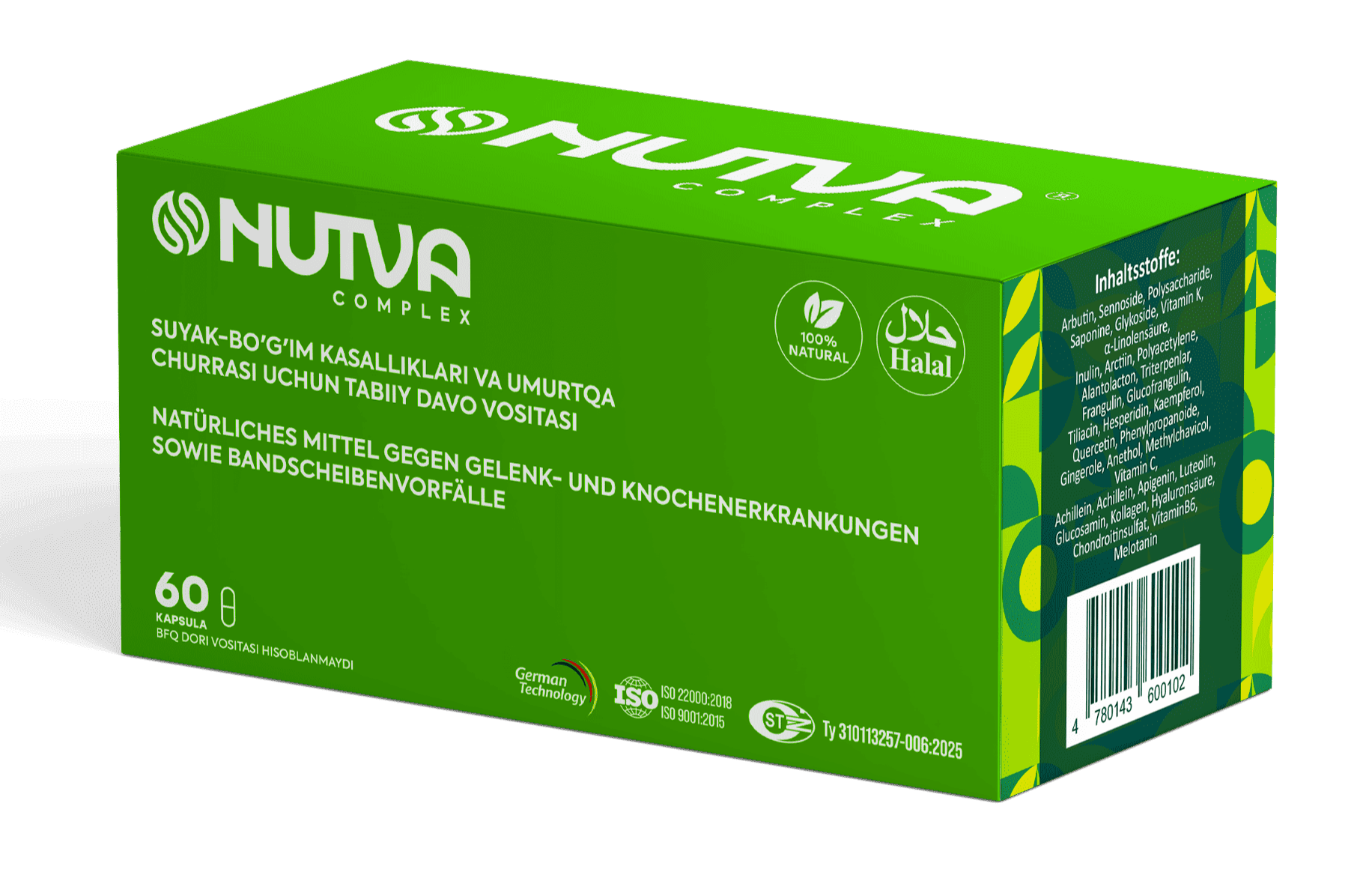
Nutva Complex (German Technology)
Premium bioactive collagen peptides, glucosamine, and botanical extracts deliver dense restorative nutrients directly to compromised cartilage, curbing cellular breakdown, normalizing synovial fluid levels, and restoring tensile elasticity to stiff joints.
1 280 000 760 000 UZS · per box · when buying 3
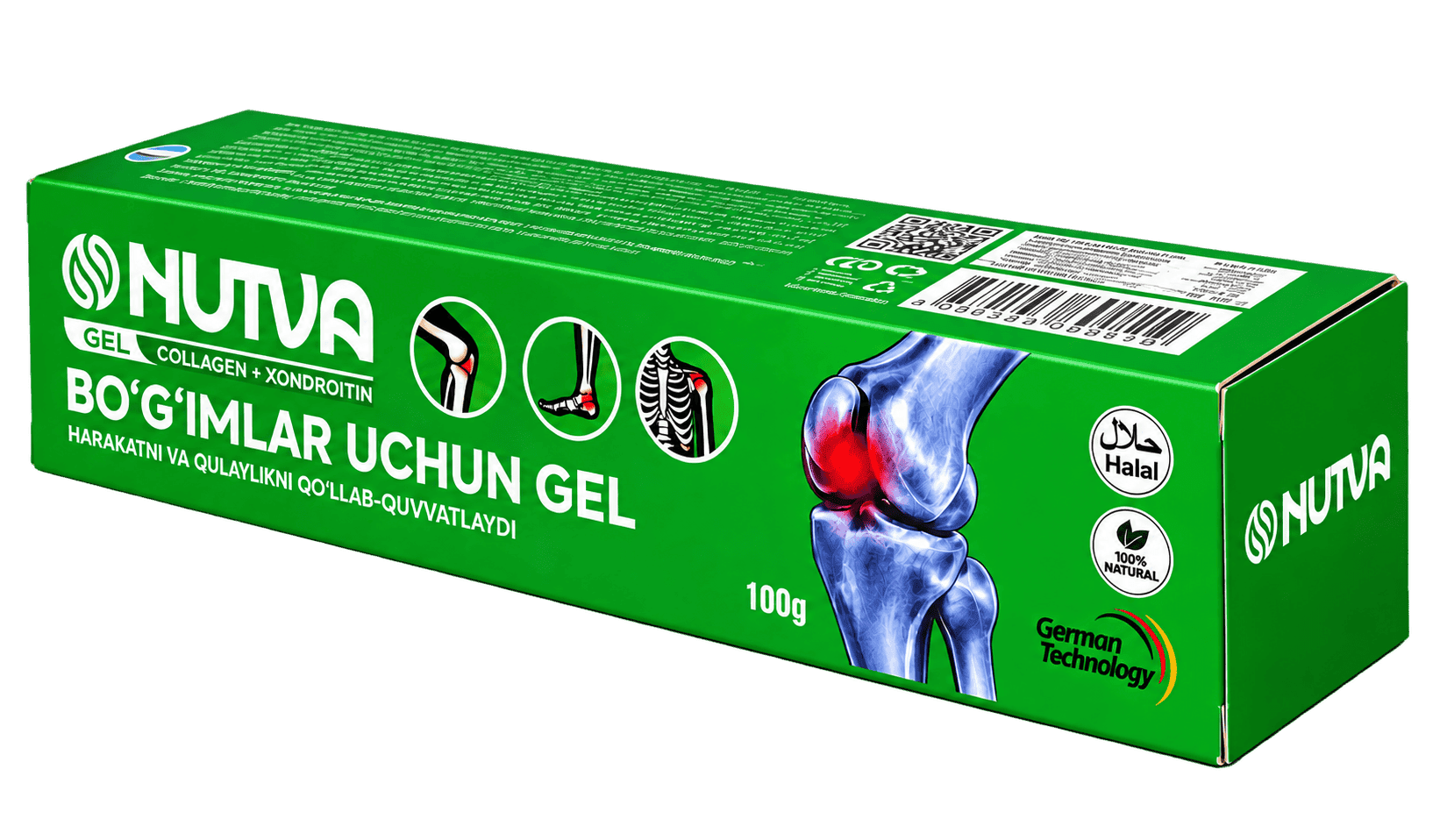
Nutva Gel
Quickly eases acute muscular tension, localized swelling, and severe soreness around inflamed joints. Menthol, camphor, and botanical essential oils enhance localized microcirculation to rapidly ease morning rigidity and persistent discomfort.
480 000 280 000 UZS · per box · when buying 3
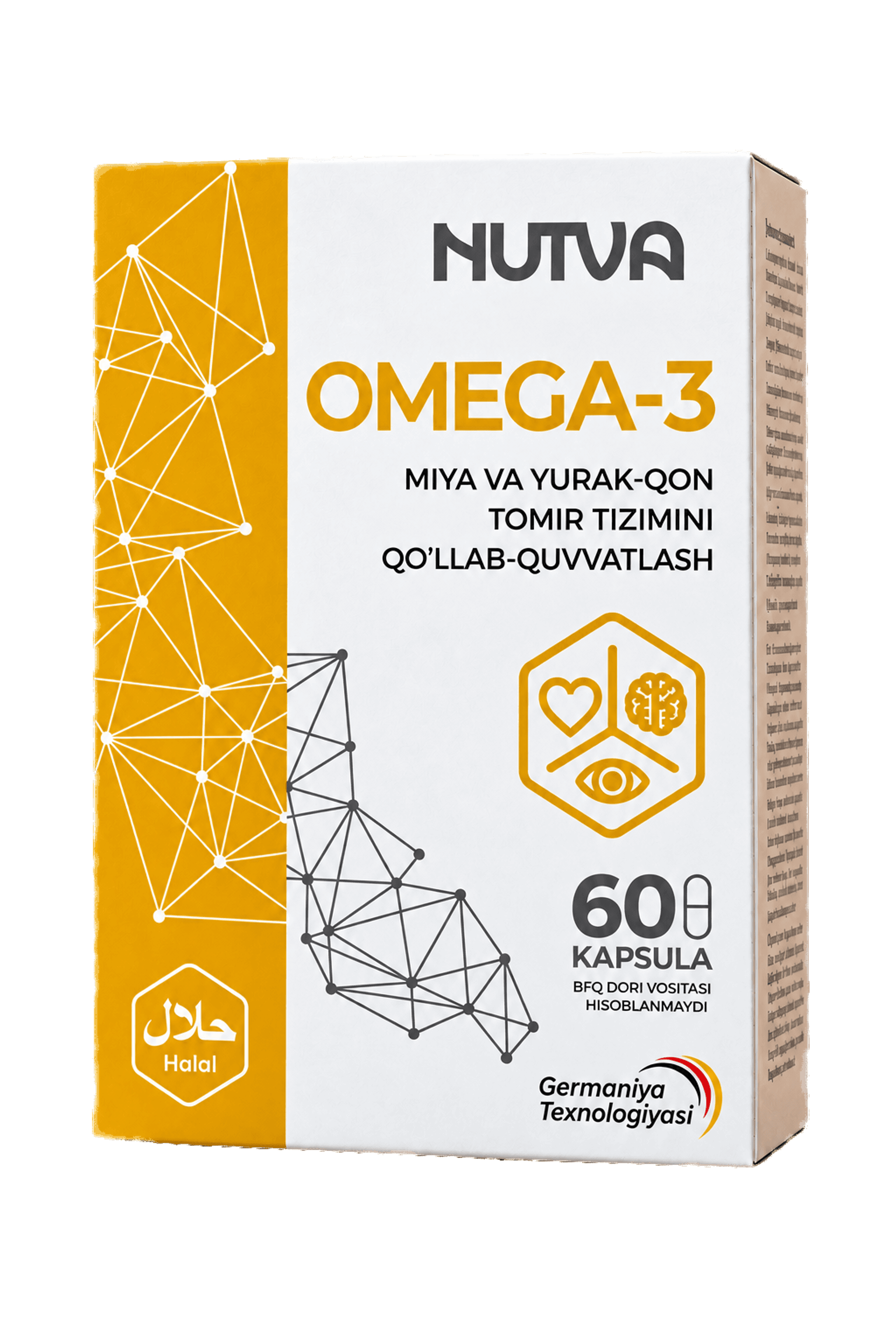
Nutva Omega-3
Resolves systemic and intra-articular low-grade inflammation, preserves healthy microcapillary wall elasticity, and facilitates the steady delivery of oxygen and tissue-building nutrients directly to cartilage matrices.
640 000 380 000 UZS · per box · when buying 3