What is it?
Muscle pain and tension (myalgia, myofascial pain syndrome) is a widespread musculoskeletal disturbance resulting from localized strain, impaired microvascular circulation, or sustained irritation of nerve roots. It frequently develops from prolonged static sitting in improper ergonomic postures, intense physical workouts, ongoing stress, or underlying spinal conditions such as osteochondrosis and disc herniations. When contracted muscle fibers fail to relax promptly, local blood flow is throttled, lactic acid accumulates, and an ongoing dull ache takes hold.
Persistent muscle spasms extend beyond localized discomfort; contracted muscular bundles often compress adjacent blood vessels and peripheral nerves. This triggers tension headaches, neck immobility, restricted lower back movement, and peripheral numbness down the limbs. Over time, chronic hypertonicity leads to the formation of discrete, painful nodules known as trigger points. Timely application of topical relaxants, improvement of tissue microcirculation, and balancing essential minerals enable a swift recovery of painless range of motion.
Main symptoms
- Dull, aching, and pulling discomfort: Persistent tension in the cervical region, between the shoulder blades, lower back, or calves that intensifies with movement and direct touch.
- Noticeable muscular rigidity (hypertonus): Muscles that feel exceptionally hard, rigid, and rope-like upon palpation rather than pliable.
- Painful myofascial trigger points: Taut, pea-sized nodules buried within muscle bands that produce sharp local and radiating tenderness upon pressure.
- Reduced range of motion: Difficulty turning the neck, lifting the arms overhead, or bending forward due to involuntary muscular resistance.
- Morning stiffness and fatigue: Waking up with heavy, stiff, and sore muscles as though the body never rested throughout the night.
- Tension headaches and occipital pressure: Constricted cervical and shoulder girdle muscles hindering cranial blood flow, culminating in dull aching around the temples and base of the skull.
Causes and risk factors
- Prolonged static postures and sedentary habits: Sitting immobilised for extended periods before computer screens or driving with poor spinal alignment.
- Heavy physical exertion and athletic overtraining: Micro-tears in muscle fibers coupled with excessive cellular accumulation of unbuffered lactic acid.
- Chronic psychological stress and nervous tension: Involuntary and unconscious isometric muscle contractions triggered by persistent surges of stress hormones.
- Exposure to drafts and cold environments: Sudden thermal shock causing acute vascular spasms and localized muscular inflammation (myositis).
- Underlying spinal degenerative disorders: Reflex muscular splinting provoked by disc herniations, degenerative disc disease, or postural deviations like scoliosis.
- Micronutrient deficiencies (magnesium, potassium, calcium): Imbalances in cellular electrolyte exchange that prevent muscle fibers from transitioning back into a relaxed state.
Prevention and self-care
Integrating frequent micro-breaks
Stepping away from workstations every 45–60 minutes to perform gentle stretching and upper-body mobility drills.
Optimizing ergonomic workstation setup
Utilizing ergonomic seating with proper lumbar support, aligning monitors at natural eye level, and avoiding slumping.
Avoiding direct cold exposure
Staying out of direct airflow from air conditioners in summer and keeping the neck, shoulders, and lower back covered in cold weather.
Sustaining hydration and electrolyte equilibrium
Drinking 1.5–2 liters of clean water daily while adding magnesium-dense foods such as raw nuts, leafy greens, and seeds to meals.
Stress relief and systematic relaxation
Engaging in warm mineral baths, deep diaphragmatic breathing, and ensuring adequate restorative sleep.
Applying targeted topical and herbal support
Utilizing natural herbal formulations and ointments early to stimulate circulation before acute spasms turn into chronic tight nodules.
Nutva
Nutva products to support your body
As a complement to a healthy lifestyle. These products are not medicines.
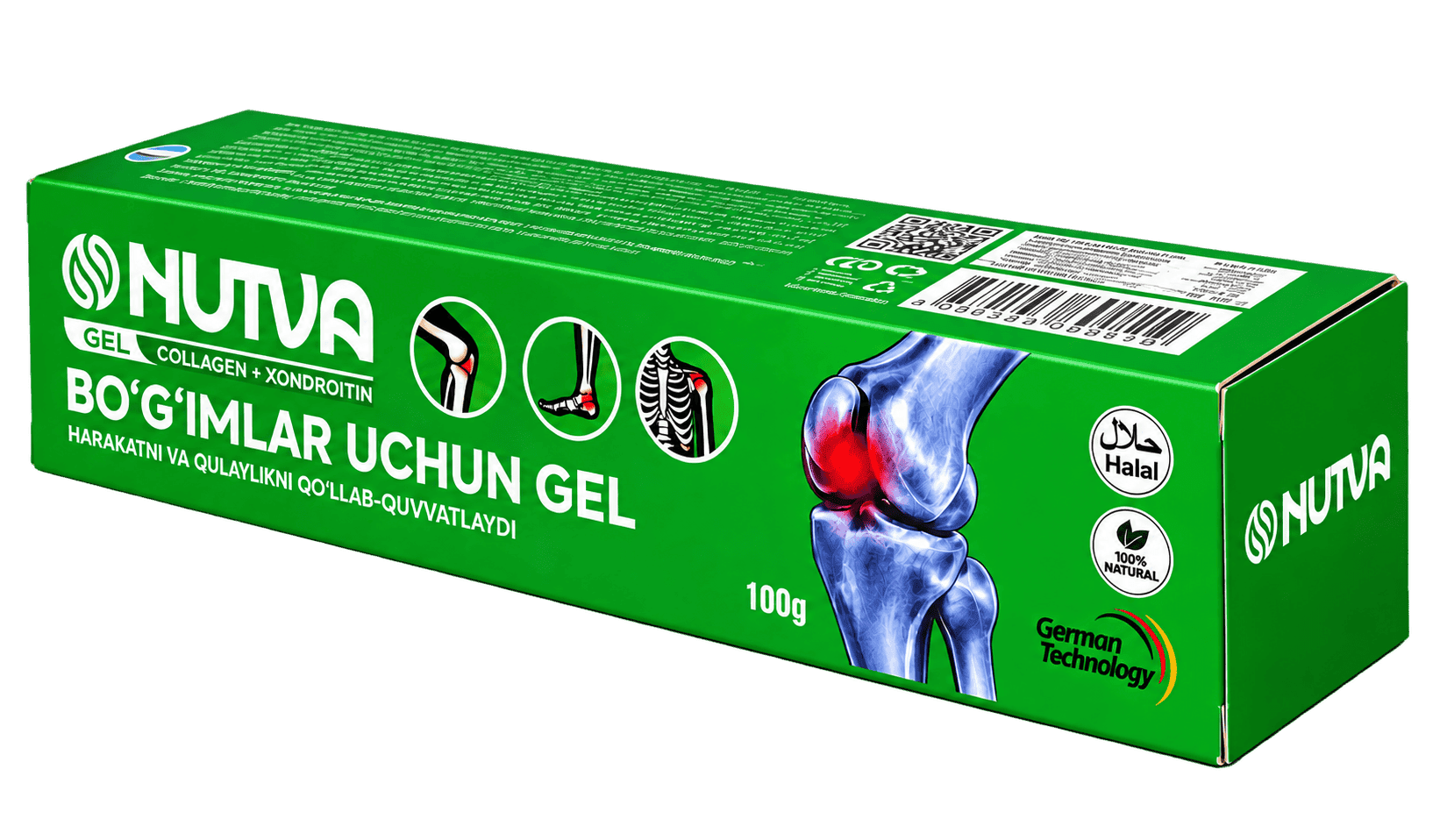
Nutva Gel
Delivers rapid soothing relief to stiffened muscles, releasing severe spasms and tension across the neck, shoulders, and lumbar region. Menthol, camphor, and pure essential oils boost local microcirculation, alleviating soreness and easing rigidity within minutes.
480 000 280 000 UZS · per box · when buying 3
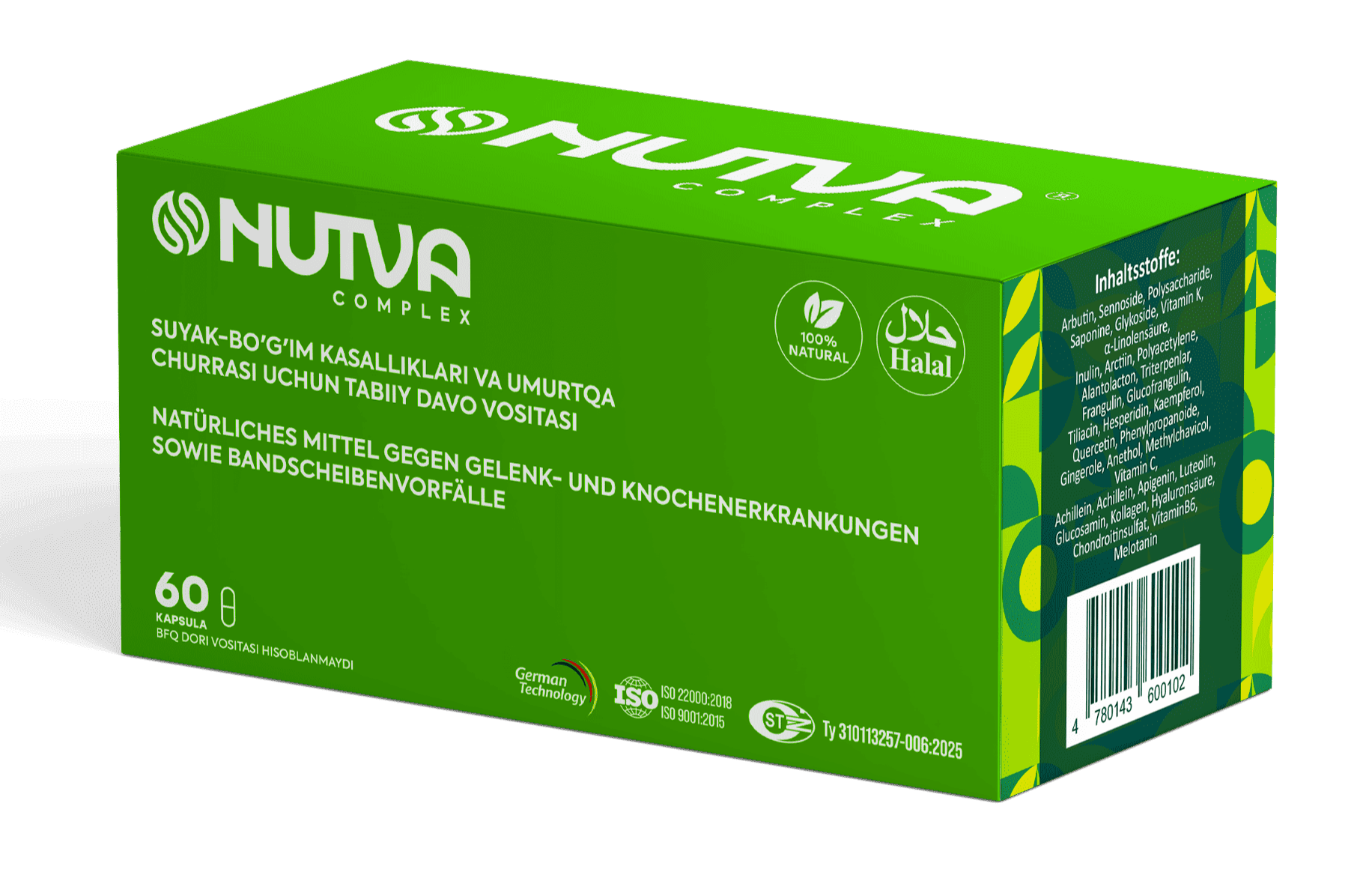
Nutva Complex (German Technology)
Deeply nourishes the connective fascial network, tendons, and surrounding tissues, speeding up tissue regeneration and restoring structural muscle flexibility.
1 280 000 760 000 UZS · per box · when buying 3
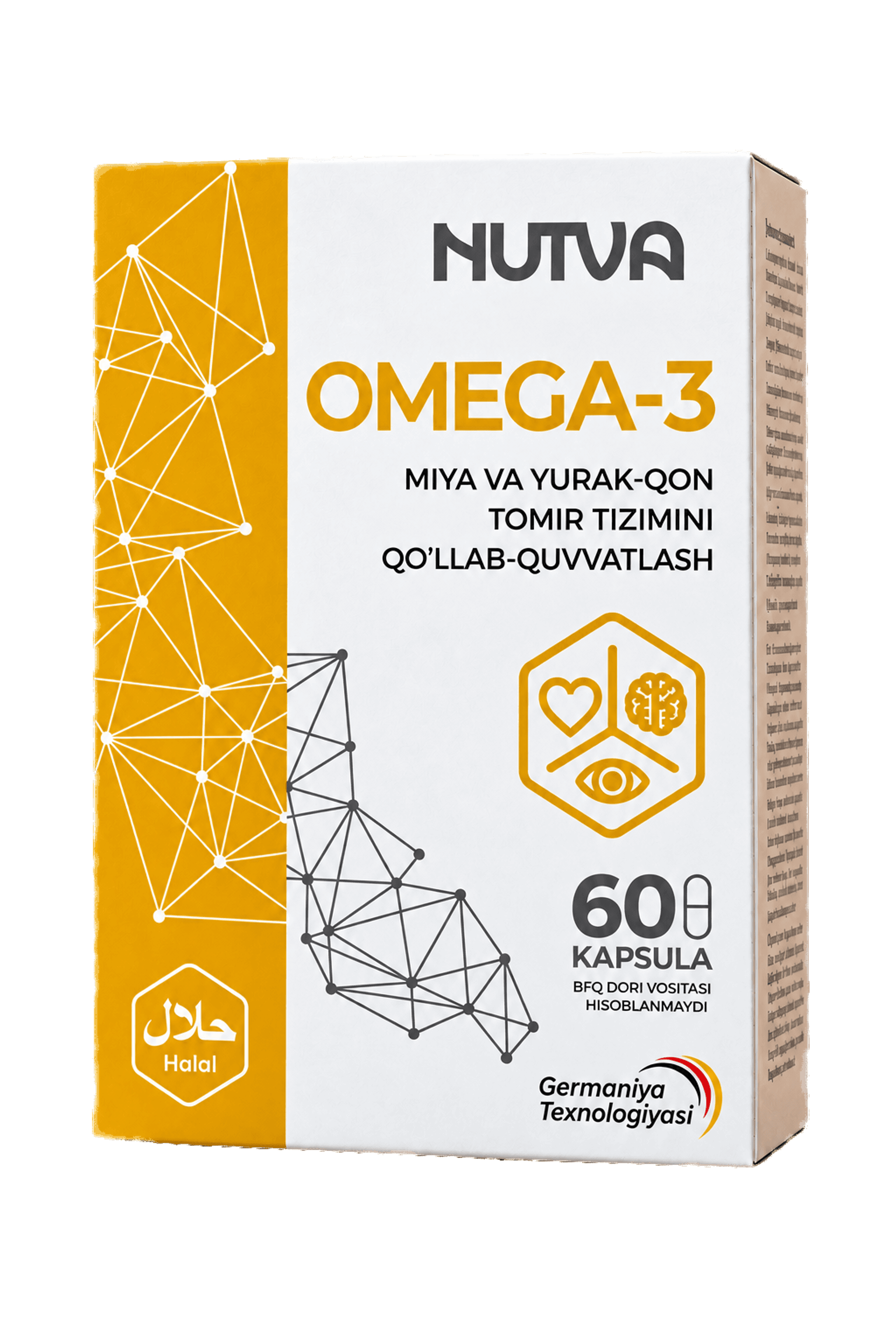
Nutva Omega-3
Extinguishes low-grade micro-inflammation within strained muscle beds, promotes capillary wall health, and ensures a dependable delivery of oxygen and restorative nutrients to tired muscle fibers.
640 000 380 000 UZS · per box · when buying 3