
What is it?
Polycystic ovary syndrome (PCOS) is a hormonal condition that affects roughly 8–13% of women of reproductive age. Many small follicles collect in the ovaries, eggs do not mature regularly and levels of male hormones (androgens) rise. As a result the menstrual cycle becomes irregular and it is harder to get pregnant.
A key driver of PCOS is insulin resistance: when cells respond poorly to insulin, the body produces more of it, which boosts androgen production in the ovaries. That is why PCOS often comes with weight gain and raises the risk of type 2 diabetes later in life. Lifestyle changes and follow-up with a gynaecologist-endocrinologist improve the condition considerably.
Main symptoms
- Late, infrequent or absent periods
- Excess hair growth on the face, chest and abdomen
- Acne and oily skin
- Thinning hair on the scalp
- Weight gain, especially around the waist, and difficulty losing weight
- Difficulty getting pregnant
Causes and risk factors
- Insulin resistance
- Genetics — the risk is higher if your mother or sister has PCOS
- Excess weight (although PCOS also occurs in slim women)
- Chronic low-grade inflammation
- Inactivity and a diet high in sugar
- Chronic stress and poor sleep
Prevention and self-care
- 1
Reach a healthy weight
Losing just 5–10% of body weight often restores the cycle and improves ovulation.
- 2
Keep blood sugar in check
Limit sugar, sweets, white bread and sweet drinks; choose high-fibre foods that raise blood sugar slowly.
- 3
Exercise regularly
Strength training and walking increase the cells' sensitivity to insulin.
- 4
Mind sleep and stress
Late nights and chronic stress upset the hormonal balance even further.
- 5
Stay under medical care
A gynaecologist-endocrinologist regularly checks your hormones, blood sugar and cholesterol.
- 6
Plan pregnancy in advance
It is recommended to start taking folate at least 3 months before trying to conceive.
When to see a doctor
Don't treat yourself in these cases — see a doctor:
- You have had no period for more than 3 months
- You have not become pregnant after a year of trying (6 months if over 35)
- Excess hair growth or hair loss is quickly getting worse
- You notice signs of diabetes, such as strong thirst and frequent urination
Nutva products to support your body
As a complement to a healthy lifestyle and your doctor's advice. These products are not medicines.
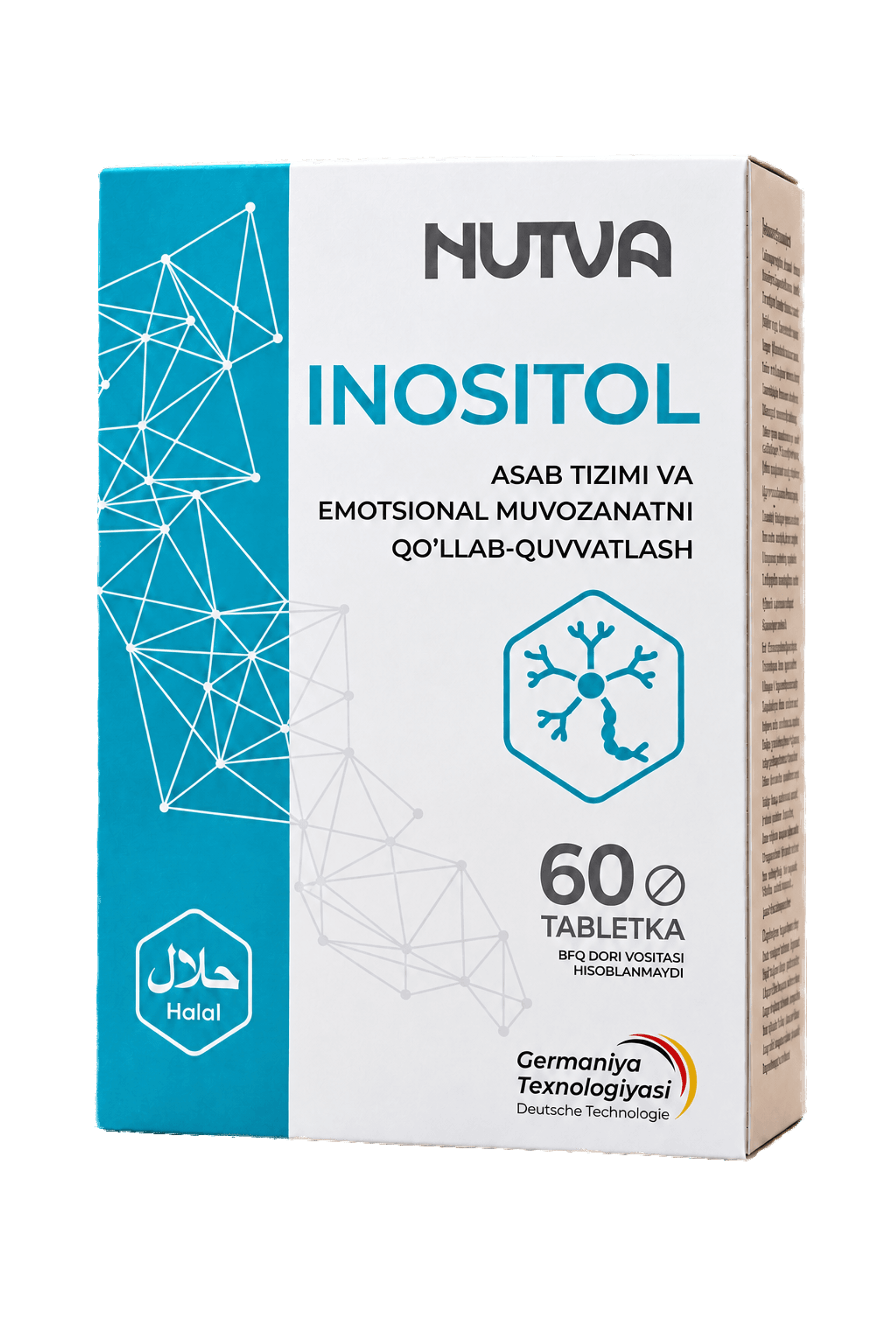
Nutva Inositol
Myo-inositol is involved in processes linked to the cells' response to insulin and to ovarian function; 5-methylfolate (the active form of vitamin B9) is especially important when planning a pregnancy. Two capsules provide 2000 mg myo-inositol and 400 mcg folate.
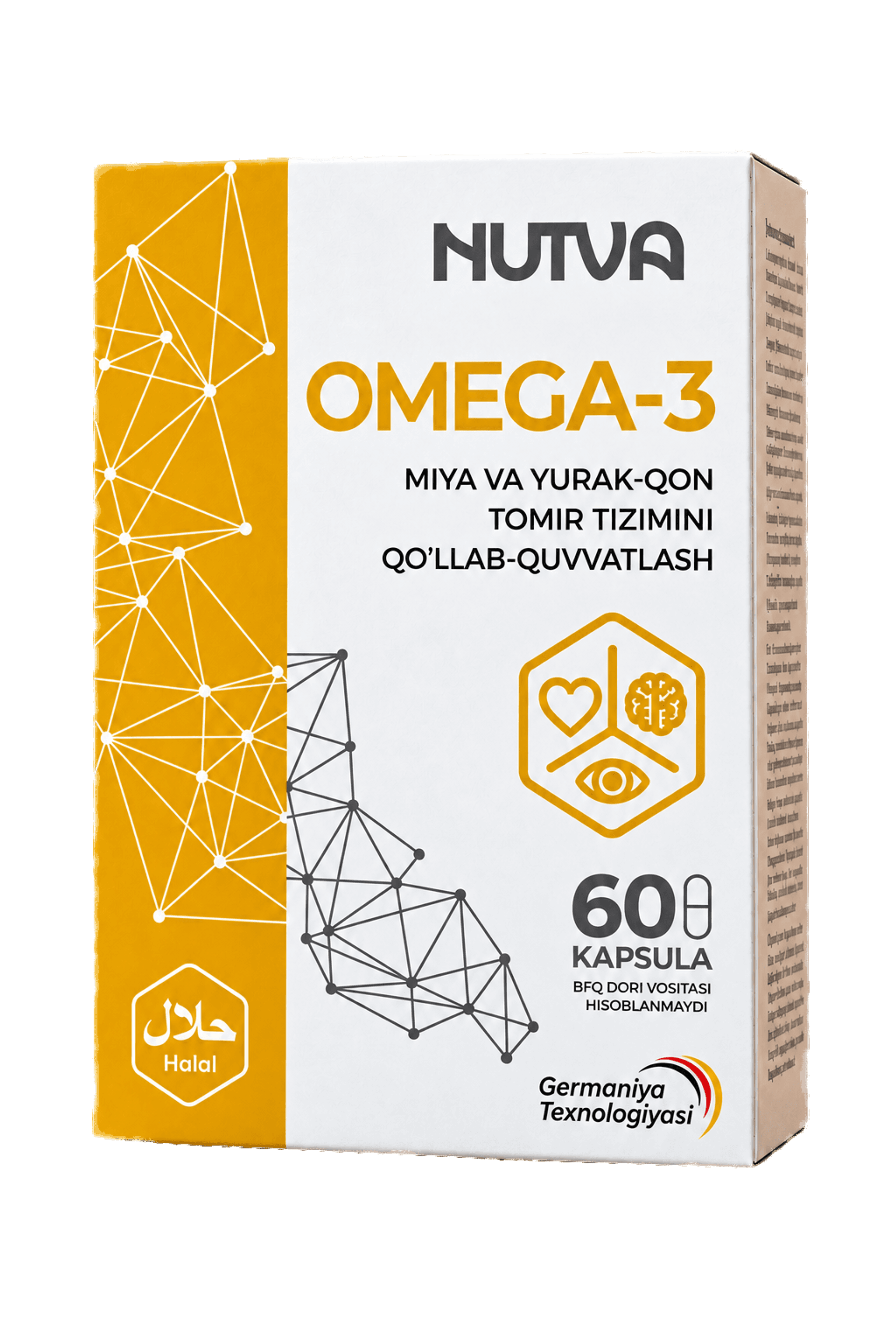
Nutva Omega-3
Omega-3 fatty acids support fat metabolism and the balance of inflammatory processes — important for the raised triglycerides that are common in PCOS.
PCOS is diagnosed and treated by a gynaecologist-endocrinologist. If you take hormonal medication or are pregnant, agree on any supplements with your doctor.
Which product is right for you?
Our specialists offer free advice and will help you choose a product for your situation.
Call: 1294