
What is it?
Insulin is the hormone that moves glucose from the blood into cells. With insulin resistance, cells respond poorly to it and the pancreas has to produce more and more insulin to keep blood sugar normal. Over time the pancreas wears out and blood sugar starts to rise — first prediabetes develops, then type 2 diabetes.
In prediabetes, blood sugar is above normal but not yet at diabetic levels (5.6–6.9 mmol/L fasting). This stage often causes no symptoms. Large studies show that losing 5–7% of body weight and staying physically active cut the risk of developing diabetes by more than half.
Main symptoms
- Fat around the waist (waist over 94 cm in men, over 80 cm in women)
- Drowsiness and marked fatigue after meals
- Strong sugar cravings and frequent hunger
- Darkened, thickened skin on the neck and in the armpits
- Rising blood pressure and triglycerides
- Thirst and frequent urination (once blood sugar starts to rise)
Causes and risk factors
- Excess weight, especially around the abdomen
- Physical inactivity
- A diet high in sugar, white flour and sweet drinks
- Lack of sleep and chronic stress
- Genetics — diabetes in close relatives
- PCOS or a history of gestational diabetes
Prevention and self-care
- 1
Check your blood sugar
After 40, or earlier with risk factors, have a fasting glucose and glycated haemoglobin test once a year.
- 2
Lose even a little weight
Losing 5–7% of body weight markedly improves insulin sensitivity.
- 3
Move every day
A 10–15 minute walk after meals blunts the rise in blood sugar. Strength training increases glucose uptake by the muscles.
- 4
Choose your carbs wisely
Swap sweet drinks and white bread for vegetables, legumes and whole grains; fill half your plate with vegetables.
- 5
Sleep well
Even a few sleepless nights reduce insulin sensitivity.
- 6
Keep regular mealtimes
Avoid late-night meals and constant snacking.
When to see a doctor
Don't treat yourself in these cases — see a doctor:
- Strong thirst, frequent urination or unexplained weight loss
- Fasting blood sugar above 5.6 mmol/L
- Blurred vision or wounds that heal slowly
- Numbness or burning in the feet
Nutva products to support your body
As a complement to a healthy lifestyle and your doctor's advice. These products are not medicines.
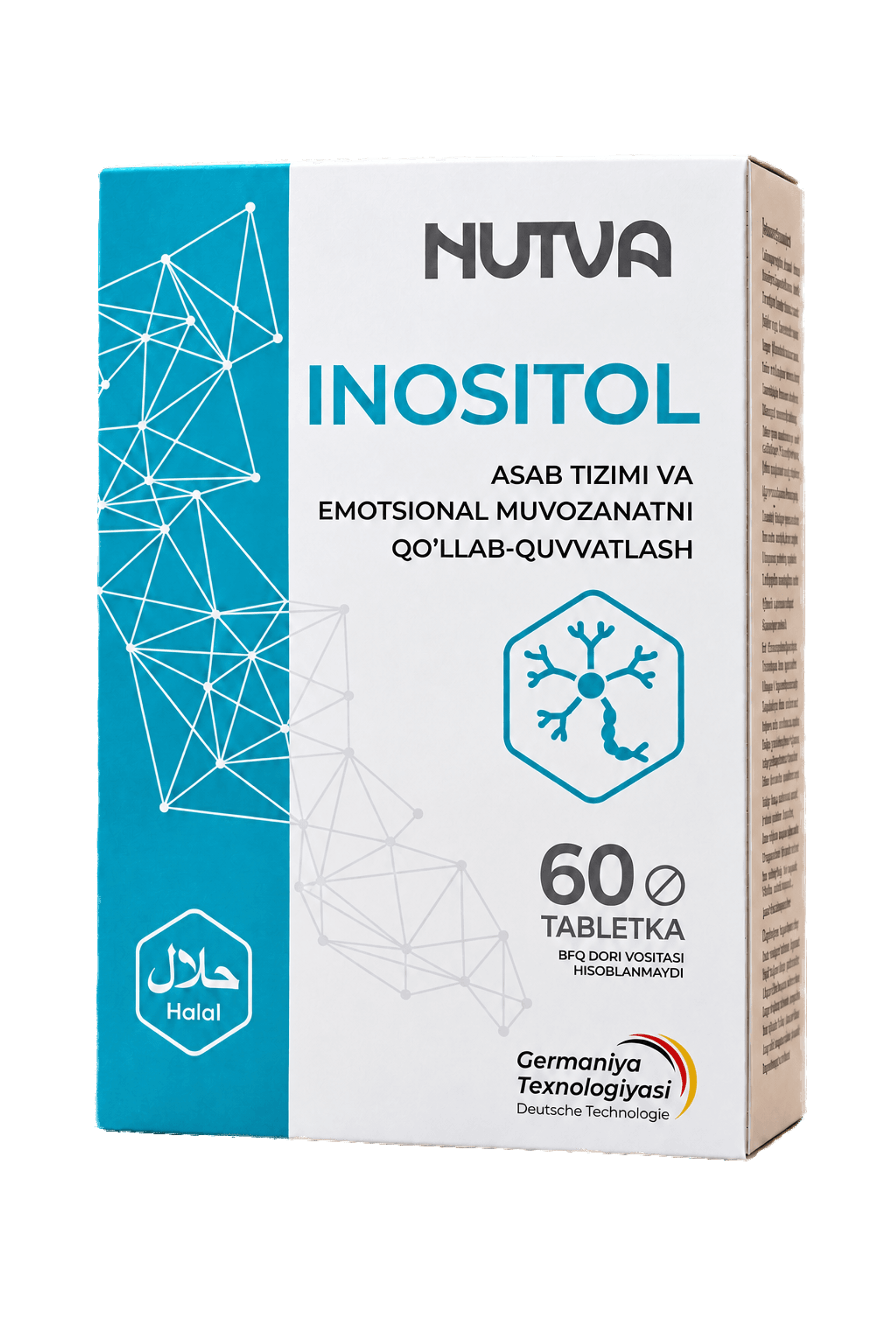
Nutva Inositol
Myo-inositol is involved in passing the insulin signal into the cell and supports carbohydrate metabolism.

Nutva Immuno
Its chromium contributes to normal blood glucose levels and its zinc to normal carbohydrate metabolism; B vitamins support energy metabolism.
If you have been diagnosed with diabetes, do not stop your glucose-lowering medicines — use supplements only as agreed with your doctor.
Which product is right for you?
Our specialists offer free advice and will help you choose a product for your situation.
Call: 1294