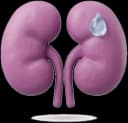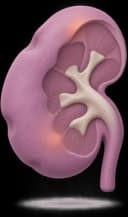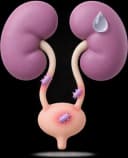
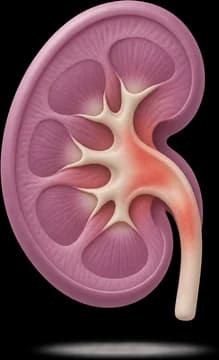
What is it?
Pyelonephritis is a bacterial infection of the kidney. It usually starts when bacteria travel up from the bladder through the urinary tract and reach the kidney's collecting system and tissue. The most common culprit is the intestinal bacterium E. coli. The illness typically comes on suddenly, with fever, pain in the lower back and discomfort when passing urine.
Women get it more often than men because the urethra is shorter. Pregnancy, diabetes, urinary stones and anything that slows the flow of urine raise the risk. The infection is usually dealt with through prescribed treatment (antibiotics), and completing that course is important to keep it from returning. Daily hygiene, enough water and urinating on time are the simplest and most reliable habits for preventing a recurrence.
Main symptoms
- High fever and chills: The temperature often rises above 38 °C, with shivering and sweating.
- Pain in the back or side: The pain is usually on one side and sometimes spreads to the lower abdomen.
- Discomfort when urinating: Burning, frequent urges and a feeling that the bladder is not fully emptied.
- Changes in the urine: Urine may be cloudy, strong-smelling or occasionally blood-tinged.
- Nausea and vomiting: Often together with fever, weakness and a loss of appetite.
- General weakness: Tiredness, headache and aching muscles.
Causes and risk factors
- Gut bacteria: Most often E. coli travels up the urethra into the bladder and then to the kidney.
- Untreated cystitis: If a bladder infection is not fully cleared, it can move upward.
- Impaired urine flow: Stones, a narrowed ureter or an enlarged prostate hold urine back and give bacteria a place to grow.
- Pregnancy: Widening of the urinary tract and slower urine flow raise the risk of infection.
- Diabetes and weakened immunity: High blood sugar makes infections more likely.
- Catheters and medical procedures: Instruments placed in the urinary tract can open a path for bacteria.
Prevention and self-care
Drink enough fluids
At least 1.5–2 litres of water a day helps flush bacteria out with the urine.
Don't hold it in
Emptying the bladder on time keeps bacteria from multiplying.
Keep up personal hygiene
Wipe from front to back after using the toilet and keep up intimate hygiene.
Finish treatment for cystitis
Do not break off a prescribed course for a bladder infection halfway.
Avoid getting chilled
Keep your lower back and feet warm and avoid staying long in damp clothes.
Keep blood sugar in check
With diabetes, keeping blood sugar within the normal range lowers the risk of infection.
Nutva
Nutva products to support your body
As a complement to a healthy lifestyle. These products are not medicines.

Nutva Nefro
Orthosiphon and field horsetail are plants traditionally used to support urine flow and urinary tract function; the product also contains Phyllanthus niruri and other plant components. Nutva Nefro is used alongside prescribed treatment to support the kidneys and urinary tract, but it is not a medicine against infection.
1 190 000 710 000 UZS · per box · when buying 3
Nutva Nefro contains potassium (150 mg): do not take it with reduced kidney function, kidney failure or high blood potassium. It does not replace antibiotics or prescribed treatment, and these must not be stopped.