
Liver Cleanse: Myths and Facts — What Actually Helps Your Liver
Do raisin water, tubage and detox teas work? Learn which habits really help your liver and when it is time to see a doctor.
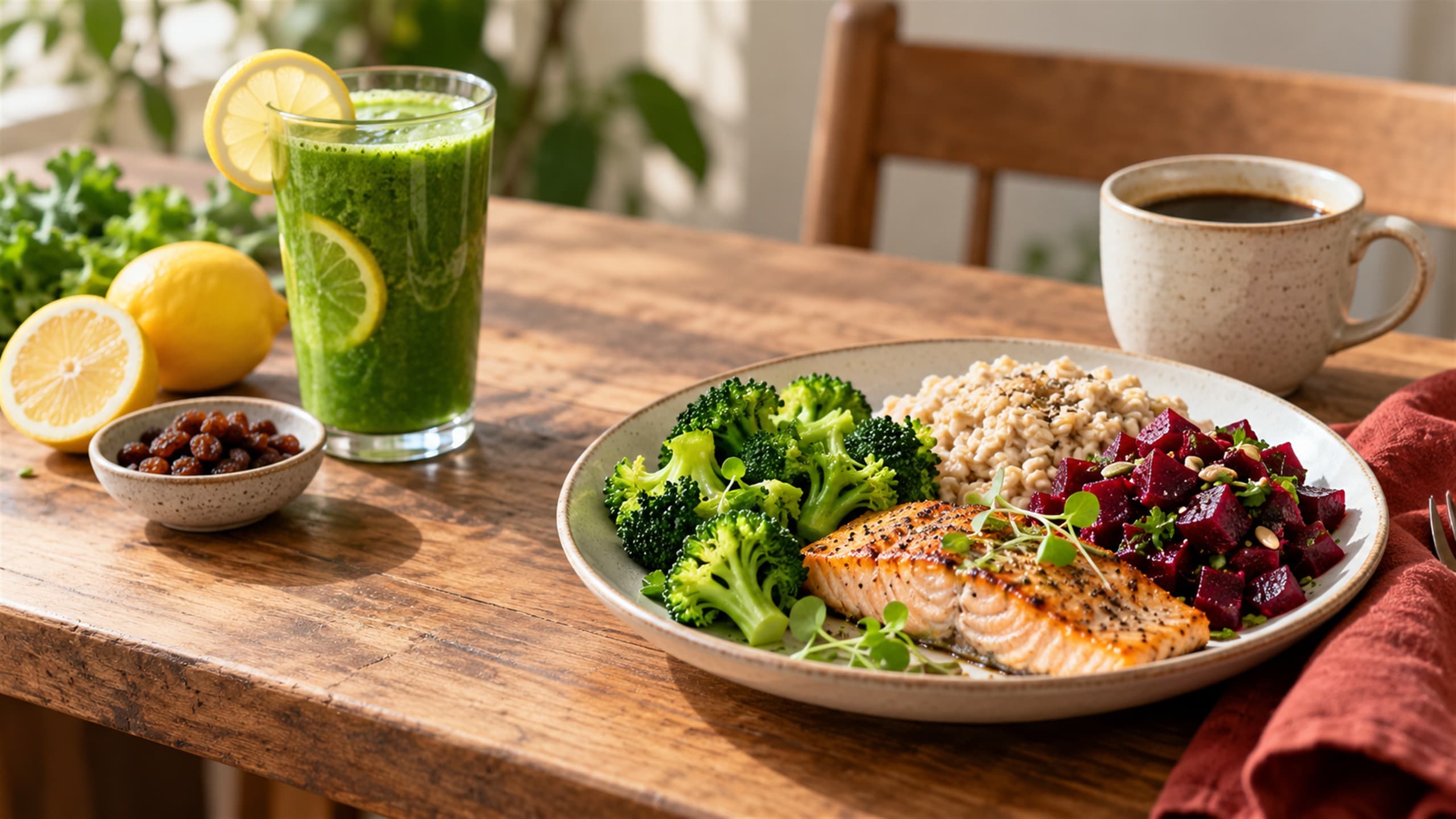
"Liver cleansing" is one of the most searched health topics. The advice is always similar: raisin water, olive oil with lemon, bile-stimulating herbs. But the liver does not get "dirty", and you cannot "flush" it at home. This article busts the myths and explains, in plain words, what really helps your liver.
Can you cleanse the liver? Does the liver clean itself?
The liver is one of the hardest-working organs: it processes nutrients, produces bile and takes part in neutralising substances that arrive with the blood. In other words, the liver itself is the body's natural "filter", and a healthy liver does this every day without special teas or courses.
That is why the idea of "cleansing the liver of toxins" has no medical basis. According to NIH's NCCIH, there is no convincing research showing that detox diets remove toxins or help with weight control, and most existing studies are small and of low quality.
So the right question is not "how do I cleanse my liver?" but "what gets in the way of my liver doing its job, and what helps it?"
Detox teas, raisin water, olive oil with lemon: do they work?
- Raisin water and "cleansing" teas. There is no proof they remove anything from the liver. At best they are just fluid; at worst, a laxative effect causes dehydration and an electrolyte imbalance.
- Olive oil with lemon juice ("tubage", "bile flushing"). This does not "wash" the liver; it is an attempt to force the gallbladder to contract strongly. If there are gallstones, it can trigger a pain attack and serious complications. Many people do not know they have stones, so such experiments without a doctor's check are risky.
- Long fasting or juice-only diets. NCCIH warns that prolonged fasting and excessive water intake can cause dangerous electrolyte imbalances, and quickly lost weight is often regained.
In addition, products sold as "detox" have at times contained hidden ingredients or been marketed with false claims of treating disease, which drew action from regulators (NCCIH).
What really harms the liver?
According to the NHS, the main causes of liver disease are:
- regular heavy drinking;
- being overweight, which leads to fat build-up in the liver (fatty liver, hepatic steatosis);
- viral hepatitis (B, C);
- inherited and immune-related conditions.
Most liver diseases cause almost no symptoms at first, and by the time symptoms appear the liver may already be seriously damaged. That is why spotting risk factors early matters more than "cleansing".
What actually helps the liver: 6 proven habits
- Healthy weight. The NHS calls weight loss a key step in fatty liver disease; healthy eating and activity can reduce liver fat and help prevent further damage.
- Movement. The NHS recommends about 150 minutes of physical activity a week: brisk walking, cycling, swimming.
- Limiting alcohol. If you drink, the NHS advice is no more than 14 units a week. The most effective route is drinking less, or not at all.
- Sweet drinks and excess sugar. NIDDK advises avoiding sweetened soft drinks, sweetened tea and juices, which are high in fructose.
- Balanced diet. More vegetables, fruit, whole grains and unsaturated fats (including omega-3); less saturated and trans fat. For a detailed list, see our article on foods that are good for the liver.
- Hepatitis B vaccination. According to WHO, the vaccine offers nearly 100% protection; after the full three-dose series boosters are usually not needed, and protection lasts at least 20 years and probably for life.
Cleansing the liver of fat: what is fatty liver?
Behind the query "liver fat cleanse" there is usually fatty liver disease (NAFLD): excess fat in the liver without heavy alcohol use. Risk factors include excess weight, type 2 diabetes and age. Most often there are no symptoms; sometimes there is tiredness or discomfort under the right ribs.
There is no tea or capsule that "melts" liver fat. The evidence-based route is lifestyle change: diet, movement and, if needed, weight control under medical supervision. Read more in our fatty liver guide.
ALT and AST tests: when should you check your liver?
A simple way to assess the liver is through liver enzymes (ALT, AST) and other markers in a blood test. Values outside the normal range can suggest the liver is under strain, but only a doctor can find the cause; an ultrasound and extra tests are sometimes needed.
A check is sensible if you are overweight or have diabetes, have liver disease in the family, drink alcohol regularly, are at risk of hepatitis or have unexplained tiredness. Do not interpret results on your own; review them with a doctor.
Herbs and supplements for the liver: can you rely on them?
Herbal products such as silymarin (milk thistle) are widely used. But according to NCCIH, evidence in liver conditions (alcohol-related, viral hepatitis, fatty liver) is unclear and conflicting, and there is not enough high-quality research for firm conclusions. It is generally well tolerated, though bloating and nausea can occur, and product quality varies.
The takeaway is simple: no herb or supplement replaces lifestyle change; at most they can be an addition. If you take medicines or are pregnant, talk to a doctor first.
Habits at the Uzbek table that put a load on the liver
The risk to the liver is not one "bad" dish but the sum of habits. Frequent fatty plov, meat samsa, white bread and rice, sweet tea, desserts and sugary drinks add a load of saturated fat and sugar (NIDDK advises limiting these). Add a desk job and little walking, and weight gain comes easily.
You do not have to give up your food: make portions smaller, add vegetables and salad, drink tea without sugar, walk 20 to 30 minutes after dinner. For a practical list, see our article on foods that are good for the liver.
When to see a doctor
- yellowing of the skin or whites of the eyes;
- persistent or worsening pain under the right ribs;
- constant tiredness, loss of appetite, unexplained weight loss;
- itchy skin, dark urine, pale stools;
- a swollen belly or swollen legs;
- vomiting blood, black stools or sudden confusion: call emergency services immediately.
These signs occur in liver disease; many also appear in the NHS list. If you drink heavily and regularly and want to stop suddenly, speak to a doctor first.
How Nutva Liver can support normal liver function
Nutva Liver does not "cleanse" the liver and does not treat disease. It is a dietary supplement (BFQ) designed to support normal liver function and natural metabolic processes. One capsule (500 mg) contains: silymarin 100 mg, ursodeoxycholic acid (UDCA) 100 mg, S-adenosylmethionine (SAMe) 65 mg, N-acetylcysteine (NAC) 50 mg, glutathione 40 mg, artichoke (Cynara scolymus) 40 mg, L-ornithine-L-aspartate (LOLA) 40 mg, inulin 15 mg, vitamin E 10 mg, glycyrrhizic acid 10 mg, betaine 10 mg, probiotics (Lactobacillus, Bifidobacterium) 10 mg and catechins 10 mg. The pack holds 60 capsules.
Permit number: №1578934. This product is not a medicine. If you have gallstones, bile duct obstruction, liver disease under treatment or are pregnant, consult a doctor first; the supplement does not replace prescribed treatment. How to take it: follow the instructions on the pack and your doctor's advice. Supplements do not replace a balanced diet, sleep, physical activity and prescribed medicines. Product page: Nutva Liver.
Frequently asked questions
Can you cleanse the liver at home?
No, there is no home method of "cleansing" the liver with proven effect. The liver works on its own; your job is to reduce harmful factors: alcohol, excess weight, sugar and lack of vaccination. Home "tubage" is dangerous if you have gallstones.
What should you drink to detox the liver?
No special "detox" drink is needed. Enough plain water, a balanced diet and movement are the best care. The effect of detox products is not proven, and some can be harmful.
How can you reduce fat in the liver?
The basics are weight control, healthy eating, about 150 minutes of activity a week and limiting alcohol. Make the plan together with your doctor.
How can you spot liver disease early?
There are often no symptoms, so people at risk (excess weight, diabetes, alcohol, hepatitis risk) should have ALT, AST and an ultrasound from time to time. Jaundice and pain under the right ribs are reasons to see a doctor.
Can you get fatty liver without drinking alcohol?
Yes. Non-alcoholic fatty liver disease (NAFLD) is defined precisely as fat build-up without heavy alcohol use. According to NIDDK, the main risk factors are obesity and type 2 diabetes, and risk rises with age. So even people who do not drink should watch their weight and sugar.
How can you protect yourself from hepatitis B?
The most reliable protection is vaccination. According to WHO, the vaccine gives long-lasting protection. Ask your family doctor about your vaccination status.
This article is for general information. It does not replace a doctor's examination or treatment. Nutva products are not medicines.