
What is it?
Fatty liver disease (non-alcoholic fatty liver disease, now also called MASLD) is a condition in which excess fat accumulates in liver cells. It is the most common liver disease in the world, affecting roughly one in four adults, and is closely linked to excess weight, diabetes and high cholesterol.
It can cause no symptoms for years and is often found by chance on an ultrasound. If fat keeps building up, the liver becomes inflamed (steatohepatitis), which may progress to fibrosis and cirrhosis. The good news: in the early stages the process is reversible — with changes to diet and lifestyle the liver can recover.
Main symptoms
- Constant tiredness and low energy
- Heaviness or discomfort under the right ribs
- Bloating and nausea after meals
- Bitter taste in the mouth, reduced appetite
- Fat around the waist (abdominal obesity)
- Raised liver enzymes (ALT, AST) in blood tests
Causes and risk factors
- Excess weight, especially around the abdomen
- Too much sugar, sweet drinks, white flour and fatty food
- Type 2 diabetes and insulin resistance
- High cholesterol and triglycerides
- Physical inactivity
- Alcohol, long-term use of certain medicines, rapid weight loss
Prevention and self-care
- 1
Lose weight gradually
Losing 7–10% of body weight markedly reduces liver fat. Don't lose more than 0.5–1 kg a week — rapid weight loss harms the liver.
- 2
Cut out sugar and sweet drinks
Fructose is turned directly into fat in the liver. Limit soda, packaged juices and sweets.
- 3
Change your diet
Eat more vegetables, legumes, whole grains, fish and plant oils; less fried food and fatty meat.
- 4
Move every day
At least 150 minutes a week of brisk walking or other activity reduces liver fat even if your weight doesn't change.
- 5
Avoid alcohol
Alcohol puts extra strain on a fatty liver and speeds up the disease.
- 6
Don't self-medicate
Long-term use of painkillers and other medicines strains the liver. Have your liver enzymes checked once a year.
When to see a doctor
Don't treat yourself in these cases — see a doctor:
- Your skin or the whites of your eyes turn yellow
- Your abdomen swells or your legs become swollen
- Your urine turns dark and your stool pale
- Blood tests show persistently high liver enzymes
Nutva products to support your body
As a complement to a healthy lifestyle and your doctor's advice. These products are not medicines.
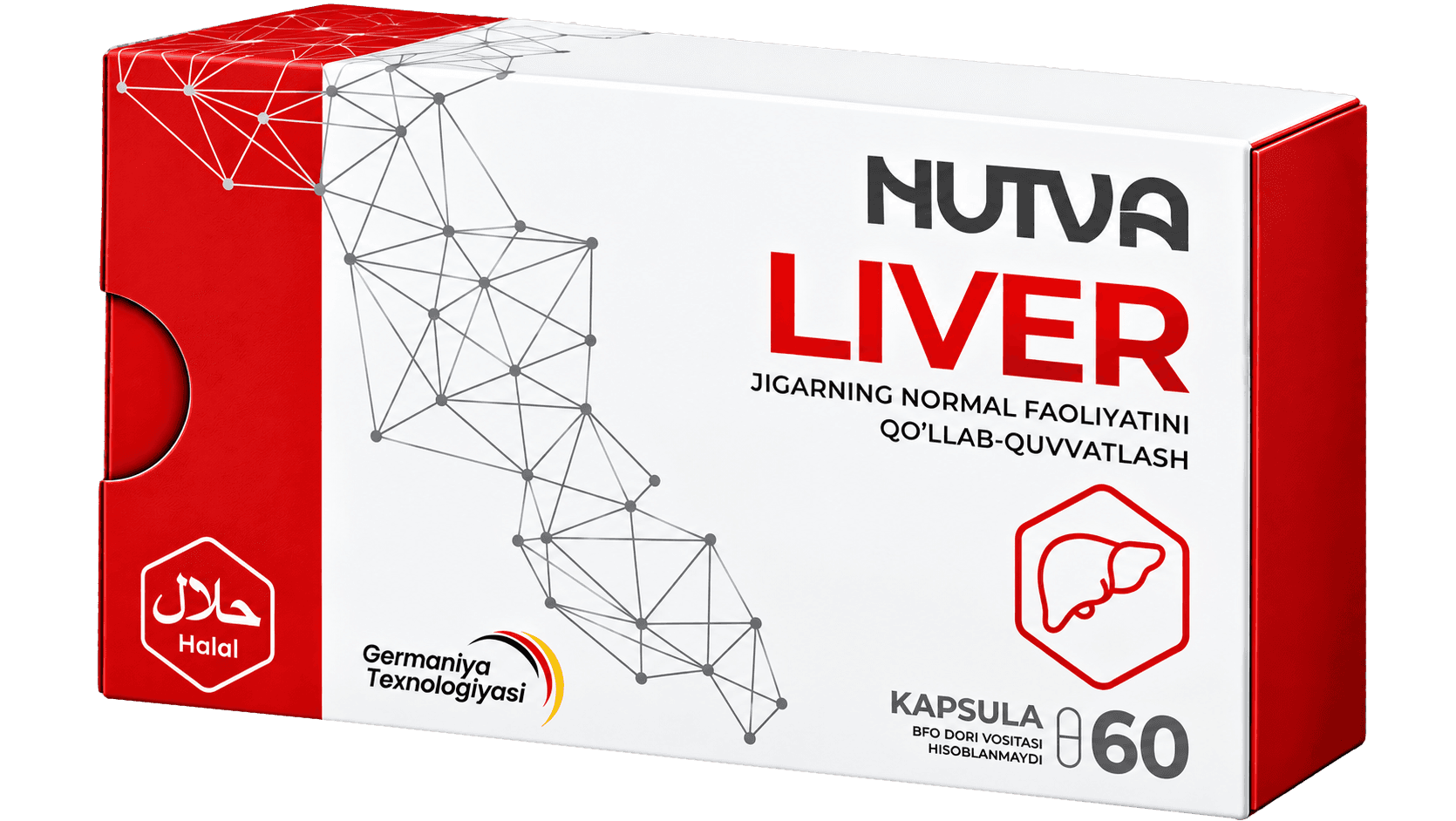
Nutva Liver
Silymarin (milk thistle), ursodeoxycholic acid, ademetionine, N-acetylcysteine and glutathione support liver-cell protection and natural detoxification; artichoke and betaine support fat metabolism and bile flow.
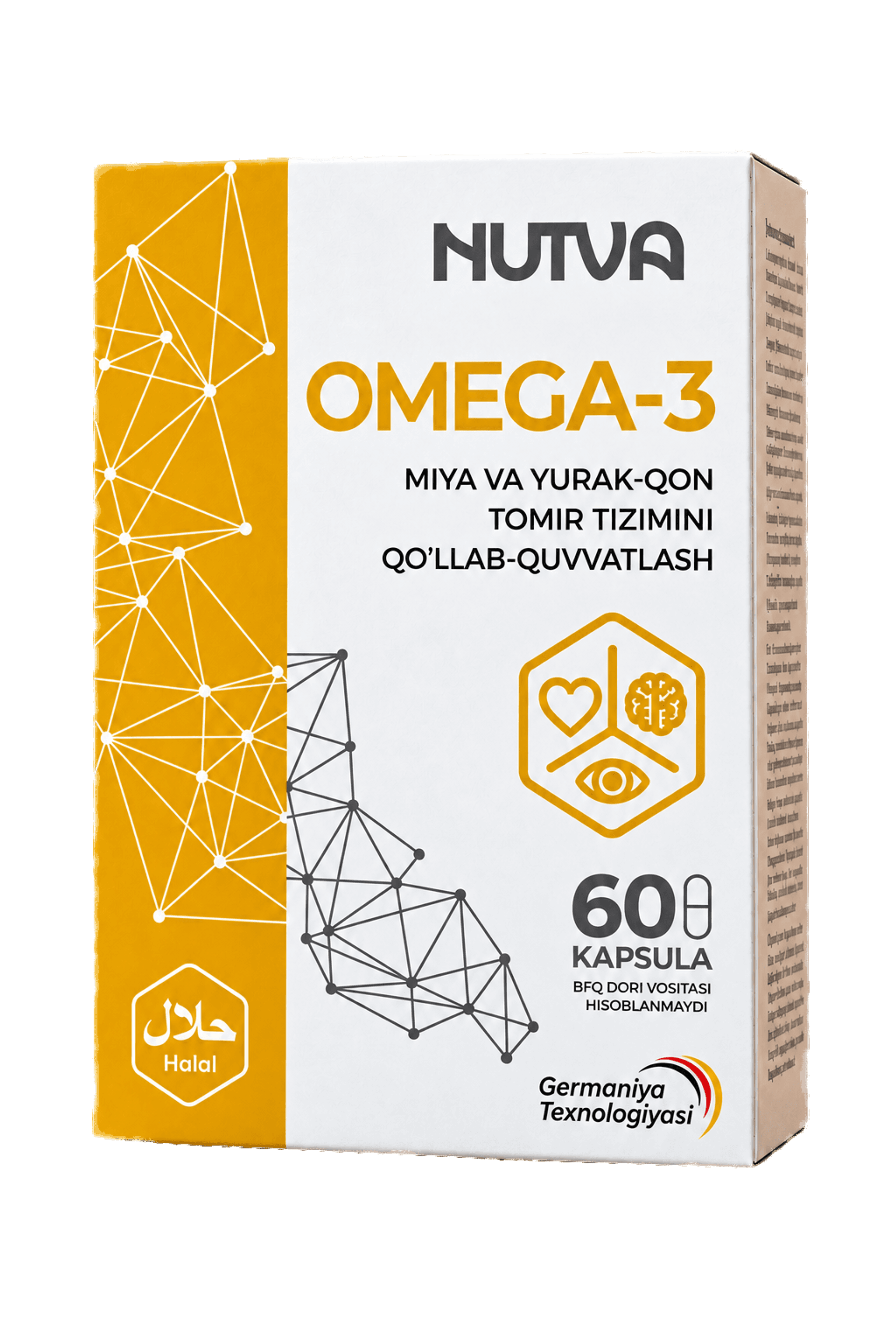
Nutva Omega-3
Omega-3 fatty acids help maintain normal blood triglyceride levels — an important factor in reducing the fat load on the liver.
Which product is right for you?
Our specialists offer free advice and will help you choose a product for your situation.
Call: 1294