
Zinc Benefits: Why Your Body Needs It, Where to Get It and How Much
What zinc does, the signs of low zinc, zinc-rich foods, safe daily amounts and why too much zinc can be harmful.
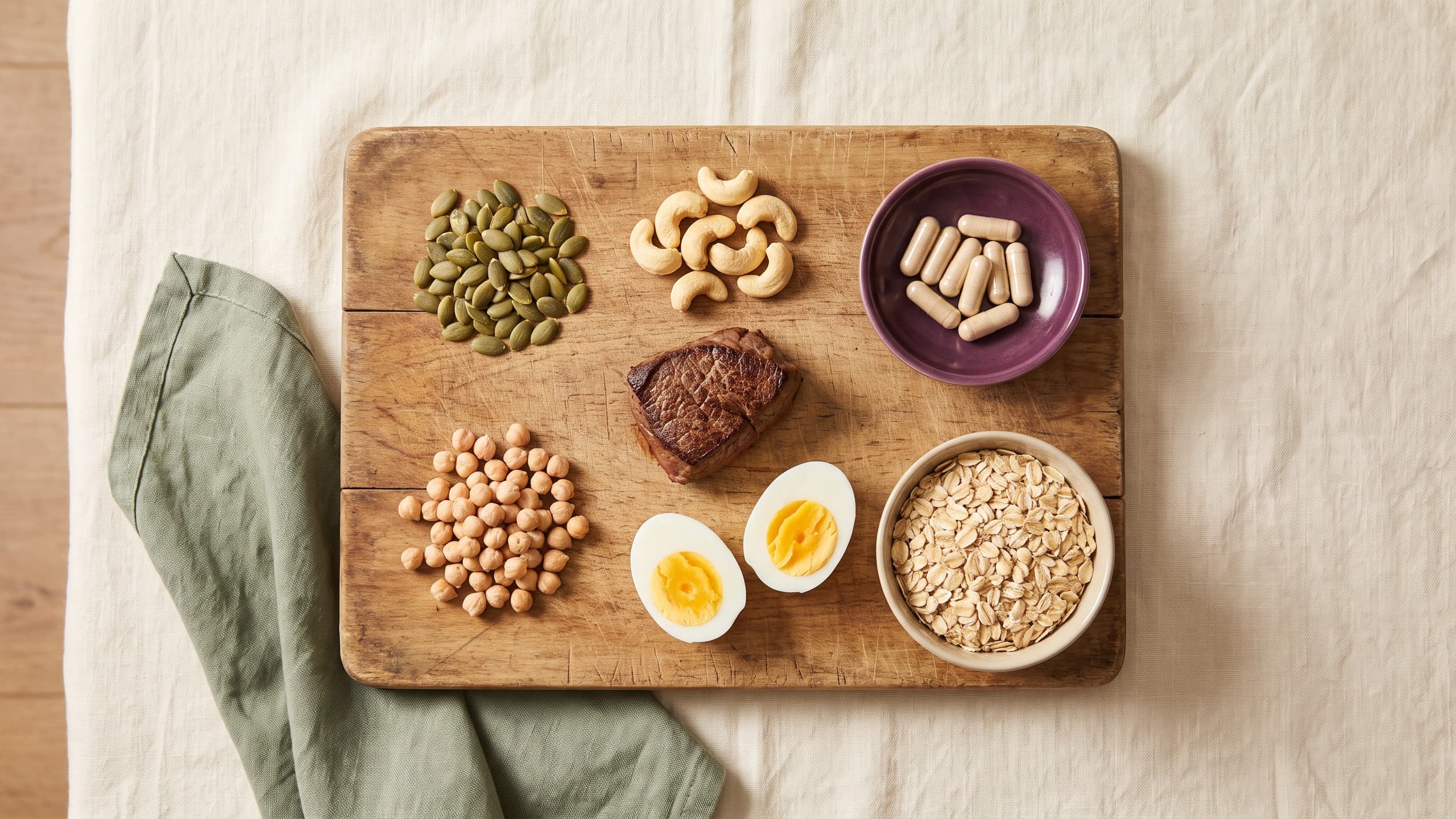
Most of us think about zinc in autumn and winter, when the cold season starts. Yet the benefits of zinc go beyond immunity: this mineral is needed for cell renewal, wound healing, and the senses of taste and smell. The body cannot store zinc for later, so we need to get it from food every day. In this article we look at what zinc is for, the signs of low zinc, which foods are rich in it, how much is safe and what the evidence says about zinc tablets.
What is zinc and what does it do in the body?
Zinc is a trace mineral found in nearly every cell of the body. According to the US National Institutes of Health Office of Dietary Supplements (NIH ODS), zinc helps the immune system fight off bacteria and viruses, and the body uses it to make DNA and proteins. During pregnancy, infancy, childhood and adolescence, zinc is also needed for proper growth and development.
The UK National Health Service (NHS) lists several more roles of zinc:
- making new cells and enzymes;
- processing carbohydrate, fat and protein from food;
- wound healing.
Zinc is also important for a normal sense of taste, which is why food can seem "bland" when zinc is low.
What are the benefits of zinc for immunity?
Immune cells renew constantly, and they need zinc to work. That is why low zinc can make you more prone to infections: the US National Library of Medicine (MedlinePlus) lists frequent infections among the signs of zinc deficiency.
But this does not mean "the more zinc, the stronger the immune system". NIH ODS warns that taking too much zinc for a long time can actually lower immunity. What matters is the right amount, not an excess. We cover other ways to support immunity in our article on how to strengthen your immune system. When frequent infections and fatigue call for a check-up is explained in our guide to weak immunity.
What are the signs of zinc deficiency?
According to NIH ODS and MedlinePlus, low zinc may cause:
- a weaker sense of taste and smell (at any age);
- slow healing of wounds and scratches (especially in older people);
- hair loss;
- frequent infections;
- poor appetite;
- skin sores and rashes;
- trouble seeing in the dark;
- problems with thinking and memory in older adults;
- diarrhoea and slow growth in children.
Important: almost all of these signs can have other causes. NIH ODS stresses that a doctor should determine whether zinc deficiency is present. Blood zinc can be tested, but the result depends on age, sex and time of day and does not always reflect the body's stores accurately. So the doctor interprets it together with your symptoms and diet.
Who is more likely to be low in zinc?
According to NIH ODS, most people get enough zinc from ordinary food. But some groups are at higher risk:
- People with digestive conditions. Crohn's disease, ulcerative colitis or gut surgery (such as weight-loss surgery) reduce zinc absorption and increase the amount lost in urine.
- Vegetarians and vegans. Meat is a good source of zinc, while phytates in beans and grains reduce how much zinc is absorbed.
- Pregnant and breastfeeding women. They need more zinc for the growing baby and for breast milk.
- People who drink a lot of alcohol. Alcohol reduces zinc absorption and increases its loss in urine.
In Uzbekistan there is one more factor: if the diet is based mostly on white bread, pasta and potatoes, with little meat, eggs and dairy, zinc intake will also be low.
Which foods are high in zinc?
According to NIH ODS, oysters are the richest source, but they are rare on our tables. In everyday life the main sources are meat, poultry, fish and seafood. Beans, nuts, whole grains, eggs and dairy products also provide some zinc. MedlinePlus adds that beef, pork and lamb contain more zinc than fish, and dark chicken meat more than light meat. Fruit and vegetables are not good sources of zinc.
In Uzbek cuisine, zinc-rich foods are easy to find:
| Food group | Examples from our table | Keep in mind |
|---|---|---|
| Red meat | Beef and lamb: shurpa, dimlama, kabob | Limit fatty cuts and frying |
| Poultry and fish | Chicken (especially thigh), fish | Boiling or baking is better than frying |
| Pulses | Mung beans, chickpeas, beans: mastava, moshkhurda, chickpea soup | Phytates reduce absorption; soaking and thorough cooking are usually advised |
| Nuts and seeds | Walnuts, almonds, pumpkin seeds | High in calories, a handful is enough |
| Dairy and eggs | Qatiq, suzma, cheese, eggs | Easy to add to the daily diet |
| Whole grains | Bran bread, oats, buckwheat | A better choice than white bread |
Combining animal and plant foods, such as mung bean soup with meat or eggs with bran bread, is a simple way to make your diet richer in zinc.
How much zinc do you need per day, and how much is too much?
NIH ODS gives the following recommended daily amounts for adults (the NHS gives slightly lower figures: about 9.5 mg for men and 7 mg for women; norms differ a little between countries):
| Group | Recommended amount (NIH ODS) |
|---|---|
| Adult men | 11 mg |
| Adult women | 8 mg |
| Pregnant women | 11 mg |
| Breastfeeding women | 12 mg |
The upper limit for adults is 40 mg a day, and it includes zinc from food, drinks, supplements and medicines combined. The NHS advises not taking more than 25 mg of zinc supplements a day unless a doctor advises otherwise.
When reading a label, note one detail: the weight of a compound such as "zinc picolinate" or "zinc gluconate" is not the same as the amount of pure (elemental) zinc in it. So before combining different supplements, work out the total with a doctor or pharmacist.
Can too much zinc be harmful?
Thinking of zinc as a "harmless vitamin" is a mistake. NIH ODS lists the signs of too much zinc: nausea, vomiting, dizziness, headaches, an upset stomach and loss of appetite. MedlinePlus notes that diarrhoea and stomach cramps can appear within hours of a large dose.
Taking too much for a long time can lead to more serious problems:
- copper deficiency: according to the NHS, high doses of zinc reduce copper absorption, which can lead to anaemia and weaker bones;
- lower immunity;
- lower levels of "good" HDL cholesterol;
- at very high doses, reduced magnesium absorption.
Zinc nasal sprays and gels can cause loss of smell, so it is best to avoid them.
Does zinc help with a cold?
This is one of the most common questions. According to NIH ODS, in some studies zinc lozenges or syrup started right at the beginning of a cold slightly sped up recovery, but did not affect how severe the symptoms were. The best dose, form and length of use have not yet been established.
So zinc is not a remedy that prevents or stops a cold. If you get ill often, finding the cause matters more. Read our article on why you keep getting colds.
Which medicines interact with zinc?
NIH ODS lists these interactions:
- Antibiotics (quinolones and tetracyclines). Taken together, both zinc and the antibiotic are absorbed less well. Take the antibiotic at least 2 hours before or 4–6 hours after zinc.
- Penicillamine (used for rheumatoid arthritis and Wilson disease). Zinc reduces its absorption, so keep them at least 1 hour apart.
- Thiazide diuretics (water tablets). They increase the amount of zinc lost in urine.
Also, separate high-dose iron supplements taken at the same time as zinc may reduce zinc absorption. Tell your doctor and pharmacist about every medicine you take.
When to see a doctor
See a doctor if:
- your sense of taste or smell has weakened for no clear reason and has not returned for several weeks;
- wounds are healing much more slowly than usual;
- hair loss, skin rashes and frequent infections appear together;
- you have Crohn's disease or ulcerative colitis, or have had gut surgery;
- you take antibiotics, penicillamine or water tablets and want to add zinc;
- you have taken high doses of zinc for a long time and now have weakness, numbness in your hands and feet or pale skin (a possible sign of copper deficiency).
During pregnancy and breastfeeding, take any supplement only after agreeing it with your doctor.
How Nutva Immuno can help
The main rule: get your zinc from food first. If your diet is monotonous and your doctor has no objection, a vitamin and mineral complex can complement your nutrition.
Nutva Immuno is a dietary supplement that supports normal immune function. One capsule (500 mg, 60 capsules per pack) contains: zinc picolinate 125 mg, iron glycinate 68 mg, manganese bisglycinate 3 mg, copper bisglycinate 4 mg, iodine 150 mcg, selenium 60 mcg, molybdenum bisglycinate 60 mcg, chromium picolinate 100 mcg, vitamin C (L-ascorbic acid) 200 mg, vitamin A (retinol palmitate) 2 mg, vitamin E (tocopherol acetate) 20 mg, vitamin D3 (cholecalciferol) 1000 IU, B3 (niacin) 18 mg, B5 10 mg, B6 (pyridoxal-5-phosphate) 4 mg, B1 3 mg, B2 4 mg, B9 (methylfolate) 400 mcg and B12 (methylcobalamin) 40 mcg. Note that 125 mg is the weight of the zinc picolinate compound. Alongside zinc, the formula also contains copper.
The product is not a medicine. It does not replace a balanced diet, enough sleep, physical activity or medicines prescribed by a doctor. Permit number: №1578927 (Ministry of Health of Uzbekistan), manufacturer NUTVA PHARM LLC.
Precautions. The product contains iron: with diagnosed anaemia the iron dose is set by a doctor. Check with a doctor before combining it with other iron, zinc or vitamin supplements. During pregnancy and breastfeeding, take it only after agreeing with your doctor. Directions for use: follow the leaflet on the pack and your doctor's advice.
Frequently asked questions
What are zinc tablets good for?
Zinc tablets may be needed by people who do not get enough zinc from food, such as vegetarians or people with poor absorption. It has not been shown that extra zinc makes a noticeable difference for a healthy person who eats well. Decide with your doctor whether you need it.
When should I take zinc, with food or without?
Follow the leaflet for the specific product. In some people zinc on an empty stomach causes nausea. If you take an antibiotic, keep the gap: the antibiotic at least 2 hours before or 4–6 hours after zinc.
Which form is better: picolinate, gluconate or citrate?
According to NIH ODS, it is not clear whether any one form (sulfate, acetate, gluconate and others) is better than the rest. What matters more is the amount of pure zinc on the label and your total daily intake.
Can I take zinc every day?
You need zinc from food every day, because the body does not store it. Long-term use of supplements should be agreed with a doctor: the upper limit from all sources for adults is 40 mg a day, and excess can lead to copper deficiency.
Does zinc boost immunity?
Zinc is needed for the immune system to work normally, and low zinc can make you more prone to infections. But extra zinc above the norm does not make immunity stronger and, over time, may have the opposite effect. Sleep, diet and activity come first for immunity.
What are the benefits of zinc for women?
Women need slightly less zinc than men, but the need rises during pregnancy and breastfeeding. Signs such as hair loss have many causes, so get checked before taking zinc on your own.
This article is for general information. It does not replace a doctor's examination or treatment. Nutva products are not medicines.