
How to lower cholesterol without medication: tests, diet and habits
What cholesterol is, how to read your test, which foods and habits really help, and when to talk to a doctor about medicine.
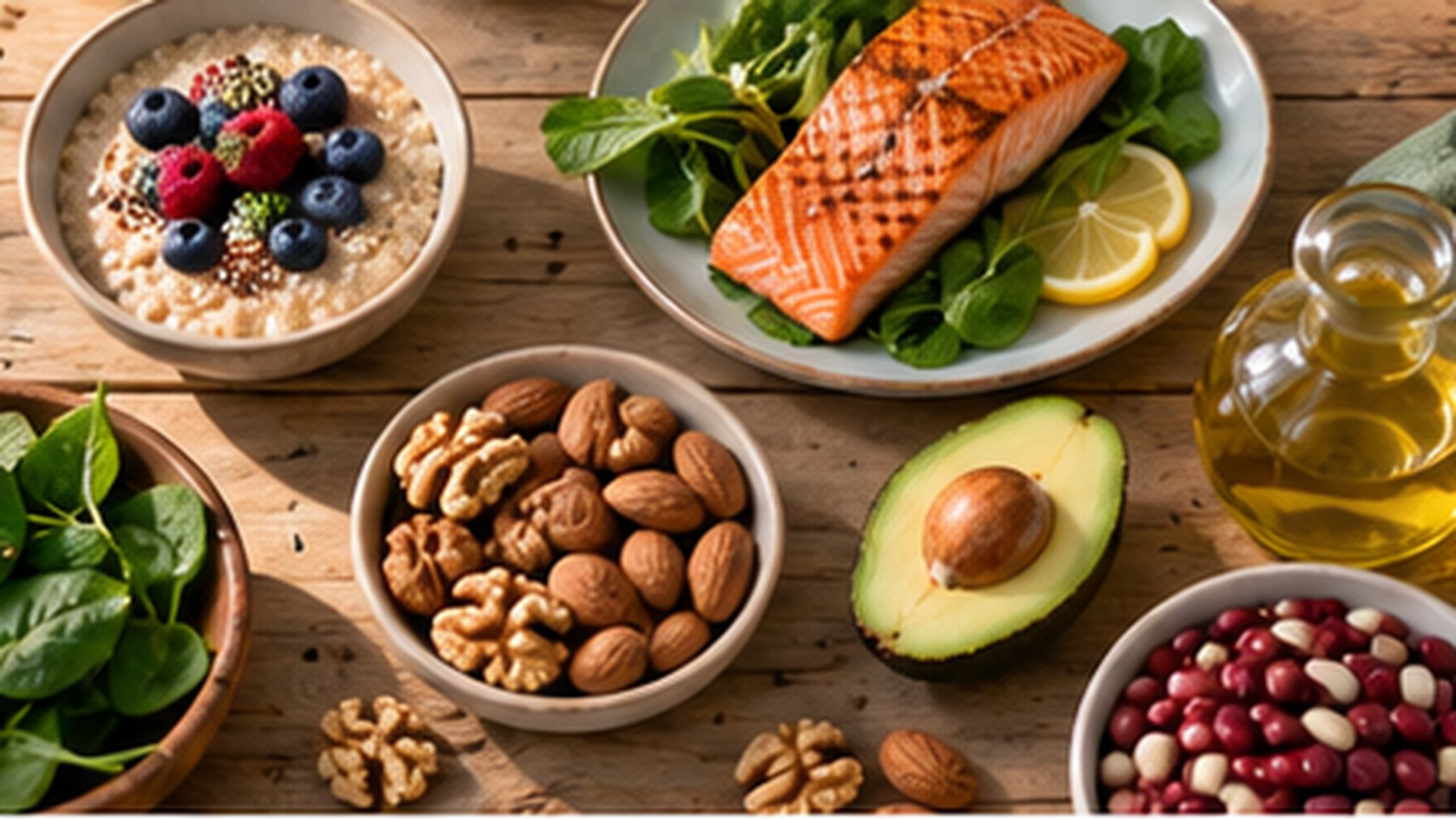
Has your blood test come back saying "high cholesterol", even though you feel fine? This is very common: high blood cholesterol usually causes no symptoms and is found only through a blood test. The good news is that much of what helps to lower cholesterol starts in the kitchen and in your daily habits. In this article we explain what cholesterol is, how to read your test, and what really works if you want to lower cholesterol without medication. We also keep one thing clear: if medicine is needed, only a doctor decides that.
What is cholesterol and why do we need it?
Cholesterol is a fatty substance in the blood. The body needs it for cell membranes and to make some hormones and vitamin D. Most of the cholesterol in your blood is made by the liver itself: according to the CDC, the body can make all the cholesterol it needs. The rest comes from animal foods.
Cholesterol travels in the blood together with proteins, which is why a test shows several numbers:
- LDL (low-density lipoprotein) — often called "bad" cholesterol. Too much of it contributes to plaque building up in artery walls.
- HDL (high-density lipoprotein) — "good" cholesterol. It helps carry excess cholesterol back to the liver.
- Triglycerides — another type of fat in the blood that the body uses for energy. High triglycerides together with low HDL or high LDL raise the risk of heart attack and stroke.
High cholesterol in the blood: causes and symptoms
According to the NHS, high cholesterol usually causes no symptoms. Headaches, tiredness or "heaviness in the heart" are not signs of cholesterol — the only way to know your level is a blood test. That is why regular testing matters even when you feel well.
Factors that affect cholesterol:
- a diet high in saturated fat (fatty meat, tail fat, butter, clotted cream, pastries and sweets);
- low physical activity and excess weight;
- smoking and alcohol;
- age over 50, being male, and menopause in women;
- heredity — high cholesterol in the family, or close relatives who had a heart attack at a young age.
In inherited (familial) hypercholesterolaemia, cholesterol is high from a young age and may not fall enough with diet alone. In that case a doctor manages the follow-up.
How is a cholesterol test done and how do you read the result?
Cholesterol is checked with a blood test from a vein — a lipid panel (lipid profile). According to the NHS, in most cases you do not need to fast before the test, because eating makes little difference to the result. However, each laboratory and doctor may have their own instructions, so ask in advance.
The NHS gives the following general guide for healthy adults:
| Measure | General guide for healthy adults |
|---|---|
| Total cholesterol | below 5 mmol/L |
| HDL ("good") | above 1.0 mmol/L in men, above 1.2 mmol/L in women |
| Non-HDL cholesterol (total minus HDL) | below 4 mmol/L |
These numbers are not for self-diagnosis. Your own target depends on your age, blood pressure, diabetes, kidney disease and other factors. A doctor looks at cholesterol together with your overall cardiovascular risk, so always discuss the result with them.
How to lower cholesterol without medication: what to change in your diet
In diet, the biggest effect comes less from the amount of fat and more from its type. The main rule is to swap saturated fats for unsaturated ones.
1. Cut down on saturated fat
The WHO recommends keeping saturated fat below 10% of daily energy and avoiding industrial trans fats completely. Saturated fat is high in fatty meat, sausages, butter, cream, cheese, biscuits and cakes, and in palm and coconut oil. According to the NHS, saturated fat raises LDL.
2. Choose unsaturated fats
Olive, sunflower or rapeseed oil, nuts, seeds and the fat in fish are unsaturated fats. According to the NHS, swapping saturated fat for them helps lower cholesterol. We explain the difference between these fats in detail in our article on the difference between omega-3, 6 and 9.
3. Eat more fibre
Soluble fibre helps reduce how much cholesterol is absorbed in the gut. MedlinePlus suggests aiming for 10–25 g of soluble fibre a day. Good sources are oats, apples, pears, lentils, chickpeas, beans and mung beans. The WHO recommends that adults eat at least 25 g of fibre and at least 400 g of fruit and vegetables a day overall.
4. Fish, nuts and seeds
Eat fish at least twice a week, with at least one portion of oily fish. Walnuts and flaxseed are also useful sources of fats. We cover which foods contain omega-3 and its overall benefits in our guide to omega-3 benefits.
Uzbek cuisine: what to do about plov, tail fat and sweets?
You do not have to give up national dishes — changing how you cook them and how much you eat is enough. These simple swaps work when you make them regularly:
| Usual choice | Better swap |
|---|---|
| Plov cooked in tail fat with lots of oil | Plov with less oil and lean meat; more carrots and chickpeas; a smaller portion |
| Samsa, chuchvara and fried food every day | Once or twice a week; on other days dimlama, shurpa or steamed dishes |
| Bread with butter and clotted cream | Nuts, a little vegetable oil, low-fat katyk or suzma |
| Tea with white bread and sweets | Wholegrain bread, fruit, a handful of nuts |
| Sausages and processed meat | Boiled chicken, fish, bean and mung bean dishes |
Watch your salt too: the WHO recommends that adults eat less than 5 g of salt a day. Salt affects blood pressure rather than cholesterol, but together they raise cardiovascular risk.
Activity, weight, smoking and alcohol
After diet, the next most important step is physical activity. The NHS recommends at least 150 minutes of moderate activity a week (brisk walking, cycling, swimming) or 75 minutes of vigorous activity. That is about 30 minutes, five days a week. Walking to work or a brisk walk after dinner counts too.
- Weight: excess weight is one of the factors linked to high cholesterol; gradual, steady weight loss is better than strict diets.
- Smoking: quitting is one of the best decisions for your heart and blood vessels; a doctor can help you with it.
- Alcohol: the NHS advises not regularly drinking more than 14 units a week and having several alcohol-free days each week.
Does omega-3 lower cholesterol?
This is one of the most common questions, and the answer should be honest. According to a review cited by NCCIH (US National Institutes of Health), EPA and DHA reduced blood triglycerides by about 15%, but did not noticeably affect other lipids, including LDL cholesterol. So omega-3 is mainly linked to triglycerides, not to "bad" cholesterol.
For very high triglycerides, some countries have prescription medicine forms of omega-3. Their composition and testing differ from ordinary supplements, so their results cannot be applied to supplements. In short, omega-3 can complement diet and habits, but it does not replace them when LDL is high.
What if lifestyle changes are not enough? About statins
For some people, changing their lifestyle is not enough: for example, with familial hypercholesterolaemia, diabetes, kidney disease, or after a heart attack or stroke. According to the NHS, in such higher-risk situations a doctor may offer medicines such as statins.
Important rules:
- whether you need medicine is decided only by a doctor, based on your tests and overall risk;
- statins are usually taken long term; the NHS stresses that you should speak to a doctor or pharmacist before stopping them — do not stop a prescribed medicine on your own;
- healthy eating and activity continue alongside medicine — they work together;
- if you want to take a supplement, tell your doctor.
When to see a doctor
Book a routine appointment with a GP or cardiologist if:
- your test shows high cholesterol or triglycerides;
- close relatives had a heart attack or stroke at a young age, or high cholesterol runs in your family;
- you have diabetes, high blood pressure or kidney disease;
- you notice side effects (for example, severe muscle pain) while taking statins or other medicines — tell your doctor rather than stopping the medicine yourself.
Call an ambulance (103 in Uzbekistan) immediately if you have: squeezing or pressing chest pain, pain spreading to the left arm, jaw or shoulder blade, sudden breathlessness and cold sweat, a drooping face on one side, weakness in one arm or leg, or sudden problems speaking. These can be signs of a heart attack or stroke. You can read about plaque build-up in the arteries in our atherosclerosis guide.
How Nutva Omega-3 can help
Nutva Omega-3 is a biologically active supplement and a source of omega-3, 60 capsules per pack. Each capsule contains 992 mg of omega-3 fatty acid concentrate in rTG (re-esterified triglyceride) form, including EPA 450 mg and DHA 300 mg. Mixed tocopherols 10 mg and ascorbyl palmitate 4 mg are added as antioxidants.
The product supports the normal function of the heart and blood vessels, the brain and nervous system, vision and cell membranes. It is not a cholesterol medicine and does not replace statins or other medicines prescribed by a doctor. Manufacturer: NUTVA PHARM LLC (Uzbekistan), permit №1578936. The product is not a medicine.
Precautions: if you take blood thinners or have surgery planned, consult a doctor first. How to take it: follow the instructions on the pack and your doctor's advice. Supplements do not replace a balanced diet, sleep, activity and prescribed medicines.
Frequently asked questions
Can you lower cholesterol without medication?
For many people, diet, activity, weight and quitting smoking have a noticeable effect on cholesterol. But in inherited forms or with high cardiovascular risk, these steps alone may not be enough — a doctor decides based on your tests.
What is a normal cholesterol level?
The NHS gives total cholesterol below 5 mmol/L and non-HDL cholesterol below 4 mmol/L for healthy adults. But your personal target depends on your age and other conditions, so your doctor sets it.
Do eggs raise cholesterol?
Egg yolk contains cholesterol, and according to the CDC, experts recommend limiting cholesterol from food. At the same time, saturated fat has a bigger effect on blood cholesterol, so cut down on fatty meat, butter and pastries first.
Can I eat plov if my cholesterol is high?
Yes, but with less oil, lean meat and more vegetables, in a small portion and not every day. After plov, stick to salad and tea and cut back on bread and sweets.
Can omega-3 replace statins?
No. Omega-3 is mainly linked to triglycerides and does not noticeably affect LDL cholesterol. Do not stop a prescribed statin; if you want to take an omega-3 supplement, agree it with your doctor.
How long does it take to lower cholesterol?
It depends on your starting level, heredity and how consistently you make changes. Usually your doctor will tell you when to repeat the test after lifestyle changes — that test will show the result.
This article is for general information. It does not replace a doctor's examination or treatment. Nutva products are not medicines.