What is it?
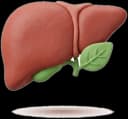
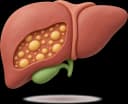
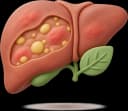
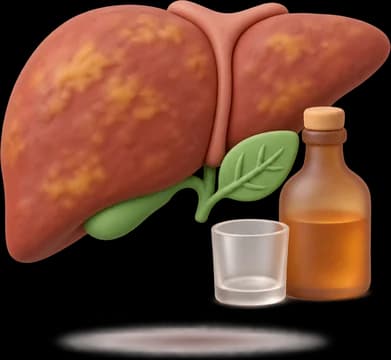
Alcohol-related liver disease is a group of changes that develop in the liver after drinking a lot of alcohol over a long time. Fat builds up in the liver first (alcoholic steatosis), then inflammation (alcoholic hepatitis) may join, and with long-term drinking cirrhosis of the liver can develop. The liver breaks down alcohol, and its cells are damaged in the process.
The risk depends on how much alcohol is drunk and for how many years; the liver of women and of people with excess weight may be more sensitive to alcohol. At an early stage, especially while there is only fat build-up, stopping alcohol helps the liver improve. The most important and central step is to give up alcohol completely; other measures cannot replace it.
Main symptoms
- Tiredness and weakness: Constant fatigue, lack of strength and reduced appetite.
- Nausea and vomiting: Especially in the morning or after meals.
- Pain under the right ribs: Heaviness or pain in the upper right abdomen.
- Jaundice: Yellowing of the skin and whites of the eyes and dark urine can show serious liver damage.
- Swelling and a larger abdomen: Swollen legs and fluid collecting in the abdomen.
- Bruising and weight loss: Bruises appear easily, and weight and muscle mass fall.
Causes and risk factors
- Heavy, regular drinking: The main cause is daily or excessive drinking over many years.
- How long a person drinks: The longer the drinking goes on, the more the liver is damaged.
- Female sex: A woman's liver may be sensitive to smaller amounts of alcohol.
- Excess weight and diabetes: These conditions add to the effect of alcohol.
- Viral hepatitis B or C: Together with alcohol it causes extra damage to the liver.
- Poor nutrition and genetics: A lack of protein and vitamins, and individual susceptibility.
Prevention and self-care
Stop alcohol completely
The key step is to stop drinking alcohol altogether. No level of drinking is clearly defined as safe for the liver, so it is better to stop than to cut down.
Lean on people close to you
Giving up alcohol can be hard. Support from family and close people, support groups and prescribed treatment all play a big part.
Eat a full diet
Eat regularly, with enough protein (meat, fish, eggs, pulses), vegetables and fruit; avoid fasting and monotonous meals.
Keep paracetamol within the dose
While alcohol is in the picture, paracetamol and other medicines add strain on the liver. Do not exceed the dose.
Get vaccinated
Vaccination against hepatitis A and B protects the liver from further blows.
Have tests on time
Regular checks of liver enzymes, bilirubin and an ultrasound scan help you keep track of the condition.
Nutva
Nutva products to support your body
As a complement to a healthy lifestyle. These products are not medicines.
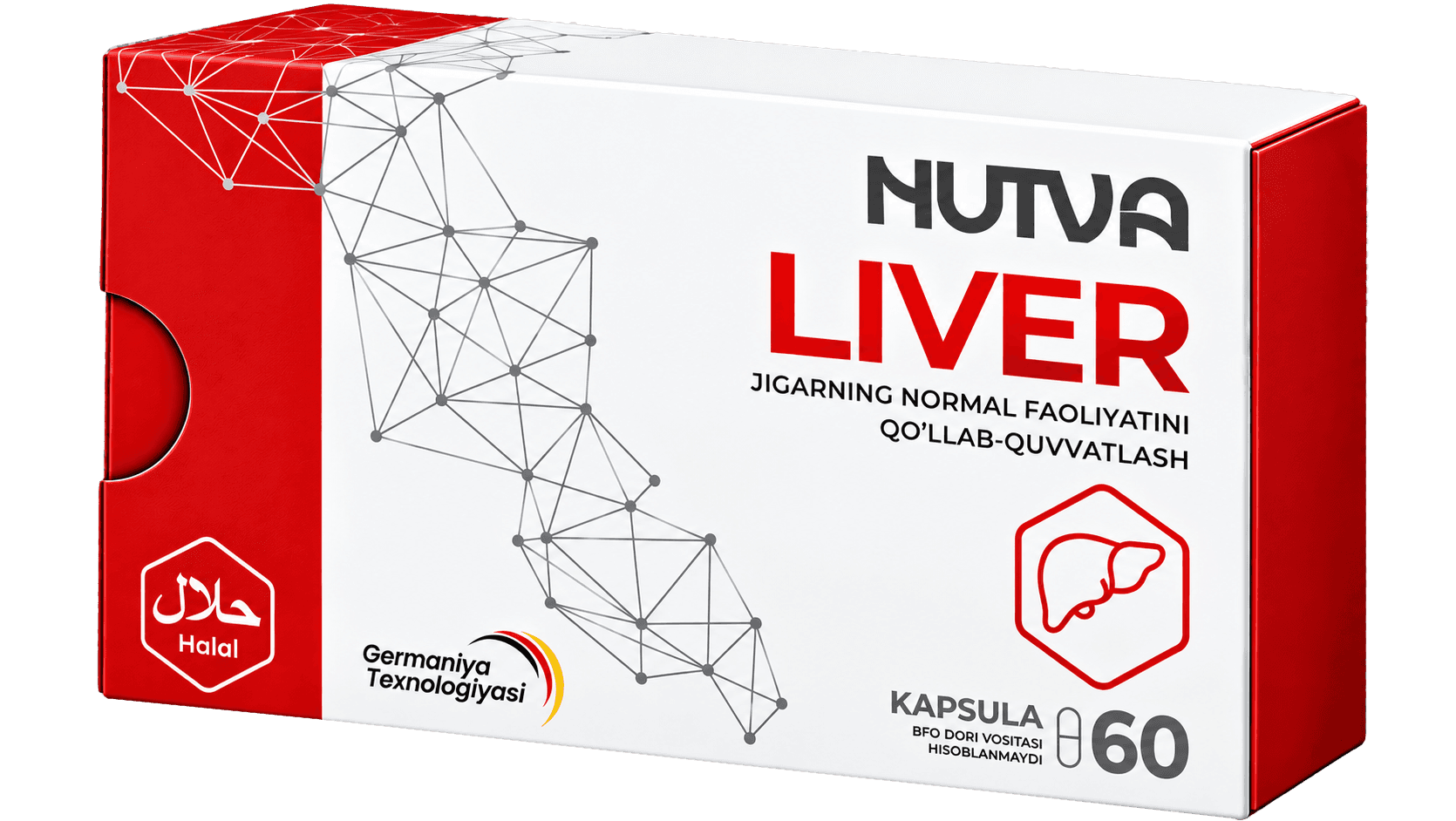
Nutva Liver
Silymarin, glutathione, NAC and vitamin E take part in protecting liver cells from oxidative stress, and SAMe is linked to metabolism in the liver. Nutva Liver does not replace giving up alcohol; it only supports the liver as an addition to proper nutrition and a healthy lifestyle.
1 450 000 870 000 UZS · per box · when buying 3
Nutva Liver does not replace giving up alcohol and does not make drinking safe. It contains UDCA: it is not taken when a bile duct is blocked by a stone, and it does not replace prescribed treatment.