What is it?
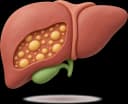
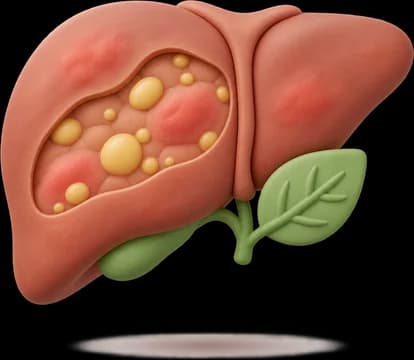
Steatohepatitis is a condition in which excess fat in liver cells (steatosis) comes together with inflammation. It differs from simple fatty liver in that the cells are damaged and an inflammatory process develops in the liver tissue. In current terminology it is most often called metabolic dysfunction-associated steatohepatitis (MASH). In people who drink a lot of alcohol, a similar picture is called alcoholic steatohepatitis.
The condition can give no symptoms for a long time, so it is often found by chance — on an ultrasound scan or when liver enzymes are raised in a blood test. If inflammation continues for years, scar tissue (fibrosis) may form in the liver. The encouraging part is that when weight, diet and activity habits change, fat and inflammation in the liver can decrease, so everyday measures matter a great deal at an early stage.
Main symptoms
- Tiredness and weakness: The most common complaint is getting tired quickly for no obvious reason.
- Heaviness under the right ribs: There may be a dull ache or a feeling of fullness in the upper right abdomen.
- Nausea: Appetite drops, and discomfort is felt especially after fatty food.
- Bloating: Digestive discomfort and a feeling of fullness in the abdomen.
- Enlarged liver: This is most often found during an examination or an ultrasound scan.
- No symptoms at all: In many cases there are no complaints, and only the liver enzymes (ALT, AST) are raised in tests.
Causes and risk factors
- Excess weight: Especially fat around the waist raises the risk of fat building up in the liver.
- Insulin resistance and diabetes: When sensitivity to insulin falls, the liver accumulates more fat.
- An unbalanced diet: Plenty of sugary drinks, sugar, fried and fatty food.
- Little movement: A lack of regular physical activity worsens fat metabolism.
- Abnormal blood fats: High cholesterol and triglycerides.
- Alcohol and genetics: Heavy drinking burdens the liver, and in some people an inherited tendency also plays a role.
Prevention and self-care
Lose weight gradually
Losing excess weight slowly, by one or two kilograms a month, helps reduce fat in the liver. Avoid crash diets.
Limit sugary drinks
Fizzy and sweetened drinks and sweets increase fat build-up in the liver. Swap them for water and unsweetened tea.
Eat vegetables and fibre
Let vegetables, fruit, pulses, whole grains, fish and plant oils form the base of your diet.
Move regularly
At least 150 minutes a week of walking, swimming or cycling improves sensitivity to insulin.
Cut down on alcohol
Alcohol increases inflammation in the liver, so it is best to limit it or avoid it completely.
Have regular blood tests
Check your blood sugar, cholesterol and liver enzymes once a year.
Nutva
Nutva products to support your body
As a complement to a healthy lifestyle. These products are not medicines.
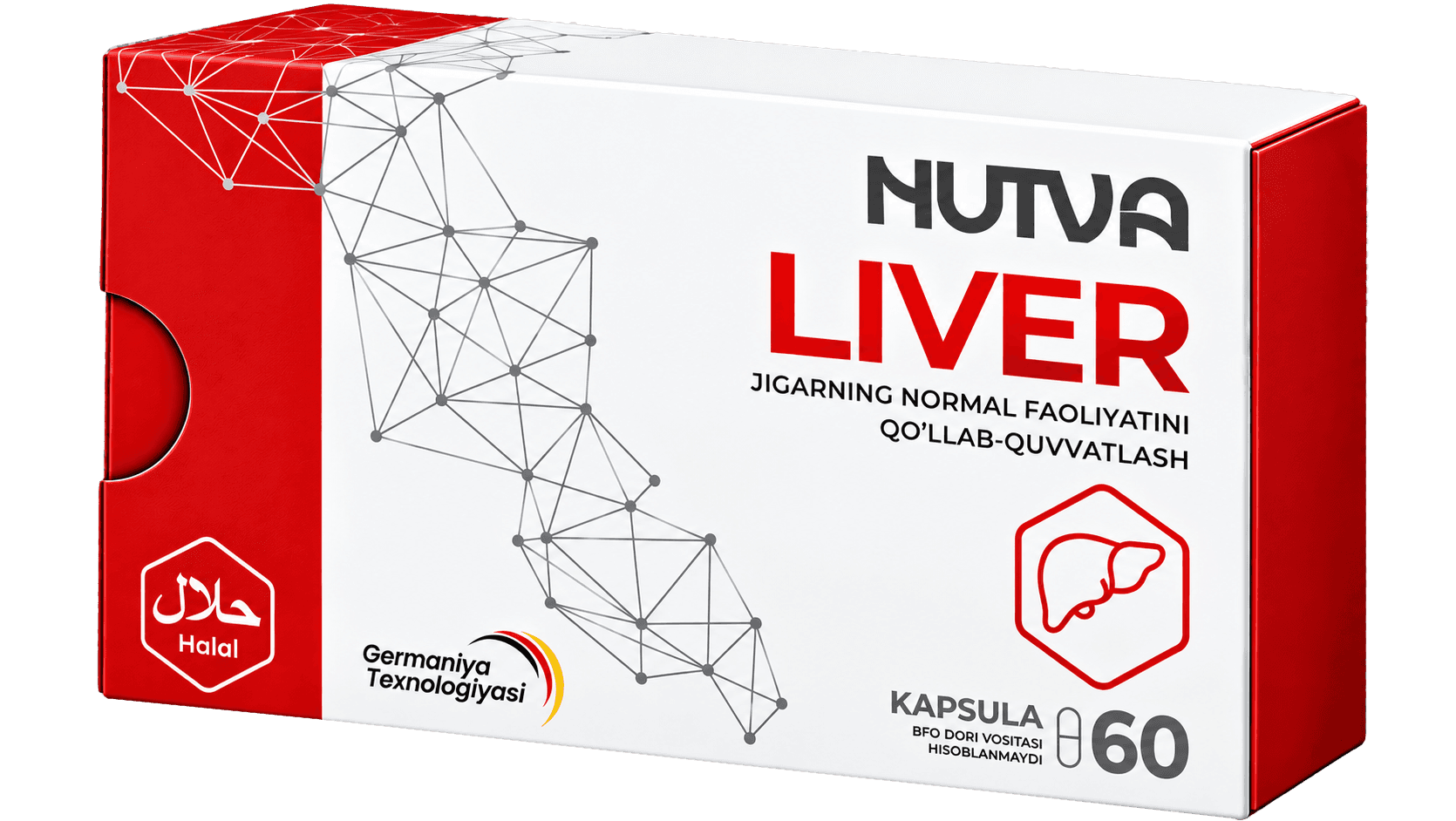
Nutva Liver
Silymarin and vitamin E take part in protecting liver cells from oxidative stress, while betaine and SAMe are linked to metabolism in the liver. Artichoke extract supports bile flow and digestion. Nutva Liver helps support the liver as an addition to a healthy lifestyle.
1 450 000 870 000 UZS · per box · when buying 3
Nutva Liver contains UDCA: it is not taken when a bile duct is blocked by a stone. The product does not replace prescribed treatment.