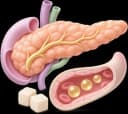
What is it?
After a meal blood sugar rises, and the pancreas releases insulin, which directs glucose into the cells. When this runs smoothly, energy stays steady. If sugar rises too much or too fast and then drops sharply, a person may feel weak, hungry and drawn strongly to sweets.
Everyday sugar balance is shaped by what you eat, when you eat, movement, sleep and stress. Foods rich in sugar and white flour raise sugar quickly, while protein, fibre and vegetables smooth the process. This page focuses on day-to-day balance; separate pages cover insulin resistance and diabetes and prediabetes.
Main symptoms
- Sleepiness after meals: weakness and reduced focus after a carbohydrate-heavy meal.
- Strong sweet cravings: a pull towards sweets a few hours after eating.
- Energy dips: a sharp drop in strength in the second half of the day.
- Frequent hunger: feeling hungry again soon after a meal.
- Irritability: restlessness or nervousness between meals.
- Fat around the waist: may be tied to reduced insulin sensitivity.
Causes and risk factors
- Fast-absorbing carbohydrates: sweets, white bread and sugary drinks raise sugar quickly.
- Too little protein and fibre: food is digested quickly and fullness does not last.
- Irregular eating: long gaps followed by a large meal worsen sugar spikes.
- Low activity: muscles use less glucose and insulin sensitivity drops.
- Lack of sleep and stress: they affect appetite and sugar control.
- Excess weight: especially fat around the waist reduces insulin sensitivity.
Prevention and self-care
Start meals with protein
A meal that begins with vegetables and protein helps soften a sharp sugar rise.
Have sweets with a meal
Eat sweet foods as part of a full meal rather than on an empty stomach.
Add more fibre
Vegetables, legumes and whole grains slow down sugar absorption.
Walk after eating
A gentle 10–15 minute walk helps reduce the rise in sugar.
Swap sugary drinks
Drink water or unsweetened tea instead of fizzy and sweet drinks.
Sleep regularly
Enough sleep supports appetite and sugar control.
Nutva
Nutva products to support your body
As a complement to a healthy lifestyle. These products are not medicines.
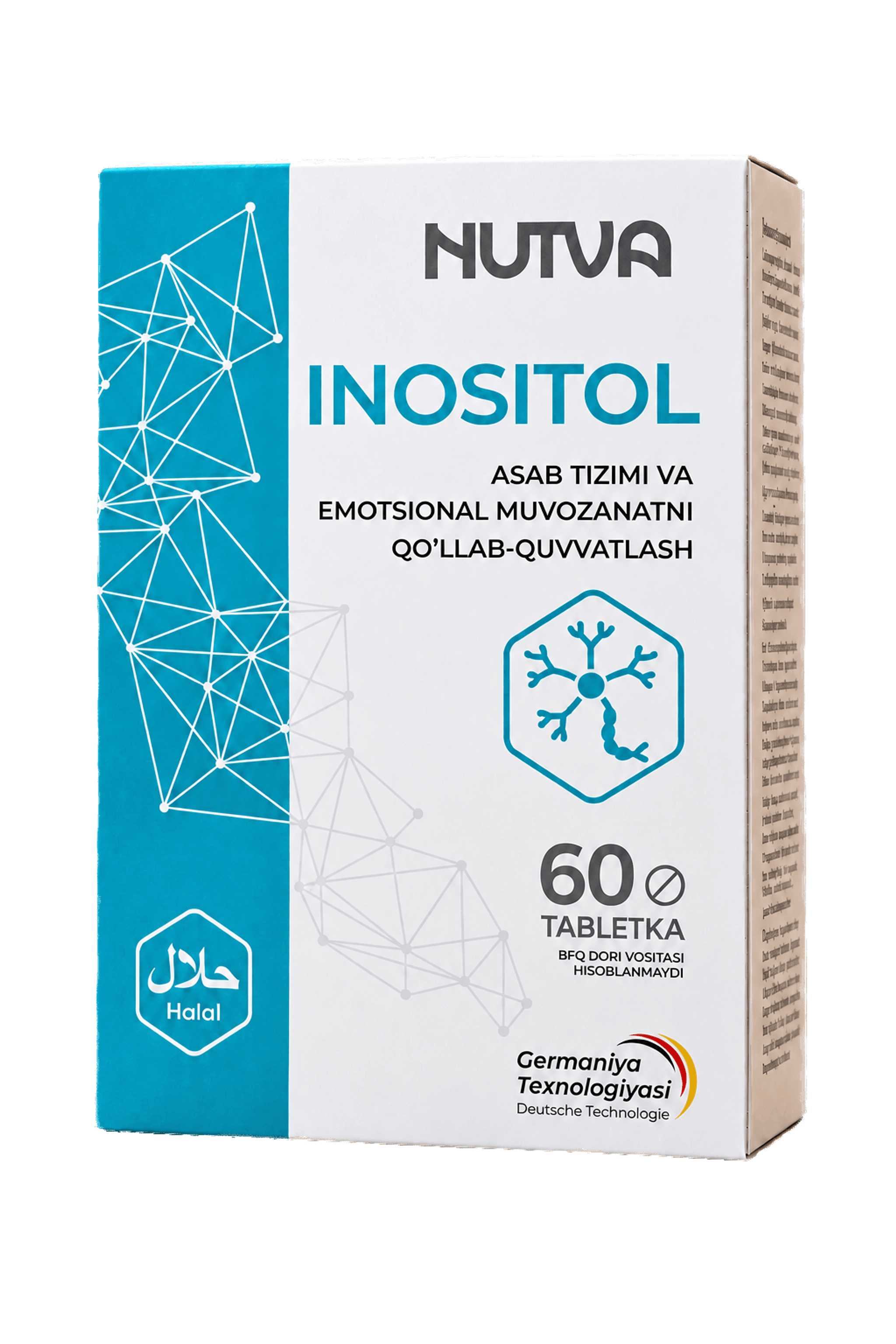
Nutva Inositol
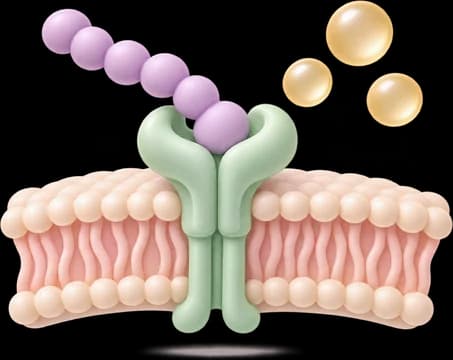
Myo-inositol takes part in insulin signalling in cells and in glucose metabolism, and has been studied in research on insulin sensitivity. 5-MTHF is the active form of folate, needed for the normal function of cells. The product is used as an addition to a healthy diet and activity; it does not replace glucose-lowering medicines.
520 000 310 000 UZS · per box · when buying 3