What is it?
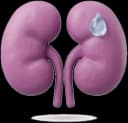
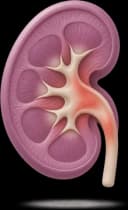
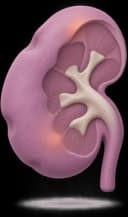
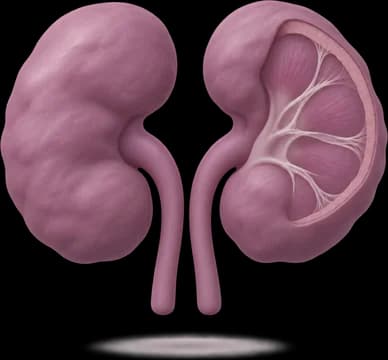
Chronic kidney disease (CKD) is a decline in the kidneys' ability to filter the blood that lasts at least three months, or the continuing presence of signs of kidney damage. The most common causes are diabetes and high blood pressure. In the early stages it is barely noticeable, so it is often found through tests. Protecting the kidneys mainly comes down to blood pressure, blood sugar, diet and taking medicines correctly.
When kidney function falls, the body clears some substances, including potassium, less effectively. That is why diet and medicines in this condition must follow the prescribed plan, and supplements should not add to the kidneys' workload. The information below is general in nature. Kidney health depends on everyday habits, so the advice on this page is given as general guidance.
Main symptoms
- Weakness and tiring easily: Changes in the blood leave a person feeling drained.
- Swelling: Puffiness may appear around the eyes and in the legs and ankles.
- Changes in urine: Urine becomes foamy, night-time urination increases or, conversely, urine output drops.
- Raised blood pressure: The kidneys help regulate blood pressure, so it goes up.
- Itchy skin and poor appetite: These can appear when substances that should be cleared build up in the body.
- No symptoms: In the early stages the disease may give no signs at all.
Causes and risk factors
- Diabetes: Long-term high blood sugar damages the kidneys' small blood vessels.
- High blood pressure: Long-standing hypertension strains the kidneys' blood vessels.
- Kidney inflammation: Glomerulonephritis and repeated pyelonephritis gradually damage kidney tissue.
- Long-term blockage of urine flow: Stones or an enlarged prostate can damage the kidneys.
- Uncontrolled use of painkillers: Taking some anti-inflammatory drugs often and for a long time harms the kidneys.
- Heredity and age: Inherited conditions such as polycystic kidney disease, and ageing, raise the risk.
Prevention and self-care
Keep blood pressure under control
Measure it regularly and keep it within the prescribed range: this is the main way to protect the kidneys.
Keep blood sugar under control
With diabetes, keep blood sugar within the prescribed range.
Cut down on salt
Too much salt raises blood pressure and puts a load on the kidneys.
Don't take medicines without control
Do not take painkillers and anti-inflammatory drugs for long periods on your own.
Don't smoke and limit alcohol
Smoking damages the kidneys' blood vessels and alcohol raises blood pressure.
Stay active and keep a healthy weight
Regular light exercise and a healthy weight help keep blood pressure and sugar in the normal range.
Nutva
Nutva products to support your body
As a complement to a healthy lifestyle. These products are not medicines.

Nutva Nefro
Nutva Nefro contains potassium citrate and magnesium citrate as well as plant components such as orthosiphon, field horsetail and Phyllanthus niruri. It is intended to support the urinary tract in people with preserved kidney function and is not recommended in chronic kidney disease.
1 190 000 710 000 UZS · per box · when buying 3