What is it?
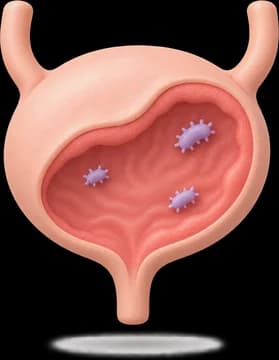
Cystitis is inflammation of the lining of the bladder. Most often it is caused by bacteria, above all the gut bacterium E. coli, which enters the bladder through the urethra. The main signs are burning when urinating, frequent urges and discomfort in the lower abdomen. A fever is usually absent or mild. Recognising the signs early and paying attention to fluid intake helps prevent the illness from becoming severe.
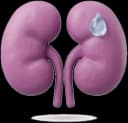
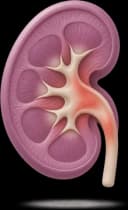
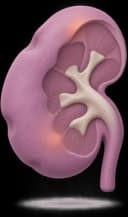
Cystitis is far more common in women because the urethra is short. In some people it returns several times a year. Untreated cystitis can climb to the kidneys and lead to pyelonephritis. Prescribed treatment is usually used, while fluids and hygiene help reduce the chance of recurrence. Daily hygiene, enough water and urinating on time are the simplest and most reliable habits for preventing a recurrence.
Main symptoms
- Burning when urinating: Pain or a burning feeling while passing urine.
- Frequent urination: Small amounts come out often, sometimes at night as well.
- Urgency: A sudden, strong need to urinate.
- Lower abdominal pain: Heaviness and pain above the pubic bone.
- Cloudy urine: Urine looks cloudy or smells strong and is sometimes blood-tinged.
- Mild tiredness: A fever is usually absent; a high temperature and back pain can point to a different condition.
Causes and risk factors
- E. coli: Bacteria enter the bladder through the urethra and inflame its lining.
- Female anatomy: A short urethra close to the anal area makes infection easier.
- Getting chilled: Long exposure to cold weakens the body's defences and makes infection more likely.
- Sexual activity: It can help bacteria reach the urethra.
- Holding urine and drinking little: The bladder is flushed rarely, so bacteria multiply.
- Hygiene and clothing: Wiping the wrong way, tight synthetic clothes and long-lasting dampness raise the risk.
Prevention and self-care
Drink more water
1.5–2 litres of fluid a day regularly flushes the bladder.
Don't hold urine
Empty the bladder on time when you feel the urge.
Wipe the right way
Wipe from front to back and keep up intimate hygiene.
Urinate after intercourse
This helps flush bacteria out of the bladder.
Dress warmly
Do not sit on cold surfaces and choose loose cotton underwear.
Cut back on irritants
Very spicy food, alcohol and a lot of coffee can irritate the bladder lining.
Nutva
Nutva products to support your body
As a complement to a healthy lifestyle. These products are not medicines.
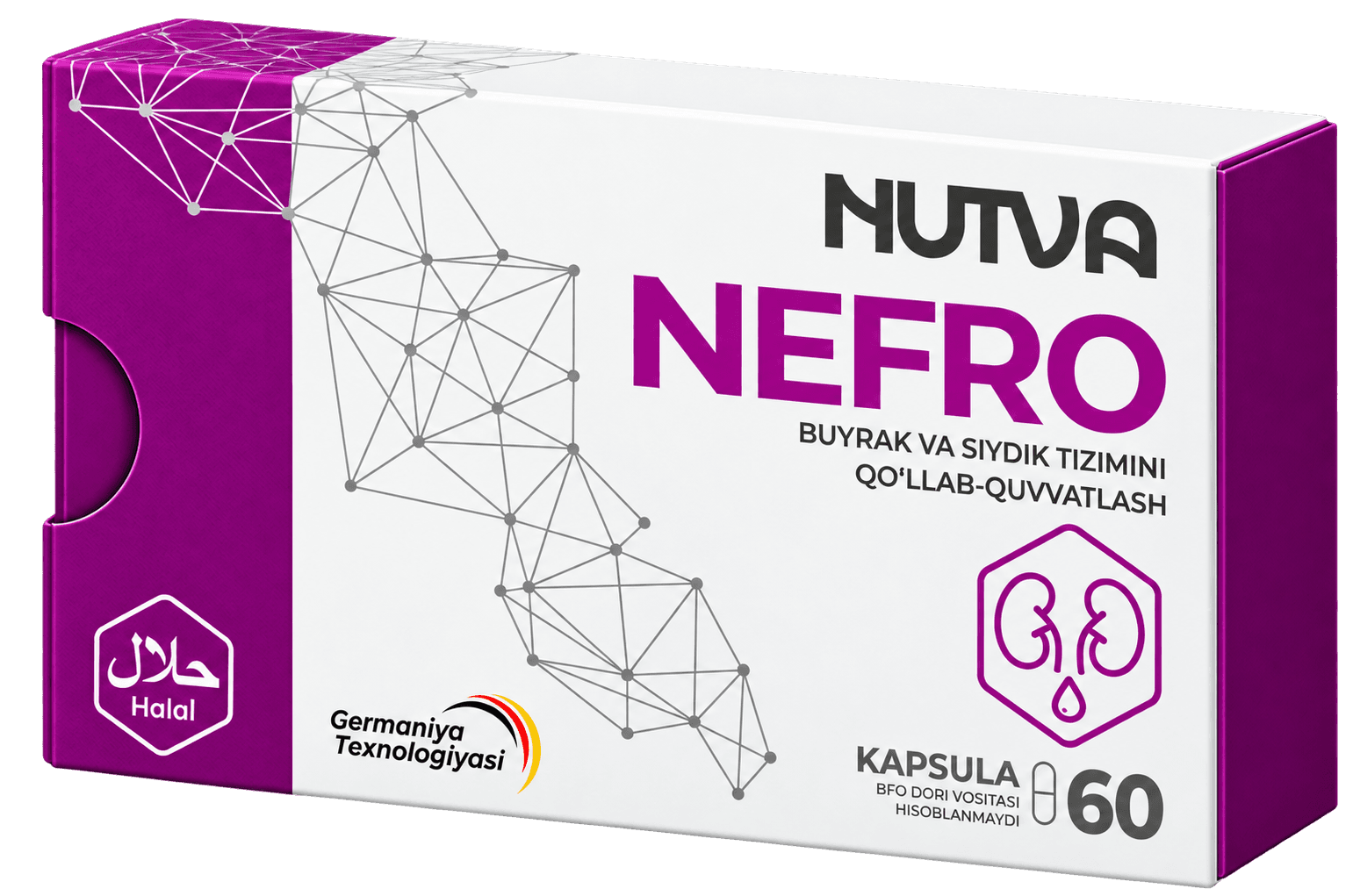
Nutva Nefro
Orthosiphon and field horsetail are plants traditionally used to support urine flow; the product also contains Phyllanthus niruri and rosemary. Nutva Nefro is used alongside prescribed treatment and supports the urinary tract.
1 190 000 710 000 UZS · per box · when buying 3
Nutva Nefro contains potassium (150 mg): do not take it with reduced kidney function, kidney failure or high blood potassium. It does not replace antibiotics or prescribed treatment.