What is it?
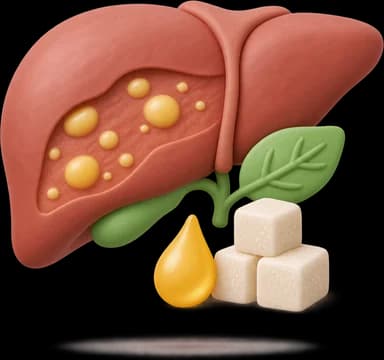
MASLD stands for metabolic dysfunction-associated steatotic liver disease. It is the new name for the condition formerly called non-alcoholic fatty liver disease (NAFLD). The diagnosis is made when there is fat in the liver together with at least one metabolic risk factor: excess weight, diabetes or prediabetes, high blood pressure or abnormal blood fats.
MASLD is one of the most common liver conditions in the world and often goes without symptoms for many years. In some people inflammation joins the fat build-up, and scar tissue may later form in the liver. The condition is also closely tied to the heart and blood vessels and to blood sugar control, so healthy eating and regular movement are good for the liver and for the whole body.
Main symptoms
- No symptoms: Many people feel well for a long time, and the condition is found by chance.
- Tiredness: There may be unexplained weakness and quick fatigue.
- Discomfort under the right ribs: A feeling of heaviness or pressure in the upper right abdomen.
- More fat around the waist: A larger waistline often goes together with fat in the liver.
- Nausea and reduced appetite: These are more common when inflammation has joined.
- Changes in tests: Raised liver enzymes (ALT, AST) or a change in liver echogenicity on ultrasound.
Causes and risk factors
- Excess weight and obesity: Fat around the waist in particular is one of the main risk factors.
- Insulin resistance, prediabetes and diabetes: Disturbed sugar metabolism increases fat build-up in the liver.
- High blood pressure: Metabolic problems usually come together.
- High cholesterol and triglycerides: Blood fats affect the liver too.
- Sweet and fatty food, little movement: Excess calories and a lack of physical activity.
- Genetics and age: Some people have an inherited tendency, and the risk grows with age.
Prevention and self-care
Work on your weight
Gradual weight loss is one of the most effective ways to reduce fat in the liver. Avoid crash diets.
Eat a Mediterranean-style diet
Have more vegetables, fruit, pulses, whole grains, fish and olive oil, and less red meat and processed food.
Cut down on sugar and sweet drinks
Drinks sweetened with fructose increase fat in the liver, so prefer water and unsweetened drinks.
Make movement a habit
Aim for at least 150 minutes of moderate activity a week plus two strength sessions.
Avoid alcohol and smoking
Alcohol puts extra strain on the liver, and smoking raises the risk to the heart and blood vessels.
Keep track of blood results
Check blood sugar, cholesterol, blood pressure and liver enzymes regularly.
Nutva
Nutva products to support your body
As a complement to a healthy lifestyle. These products are not medicines.
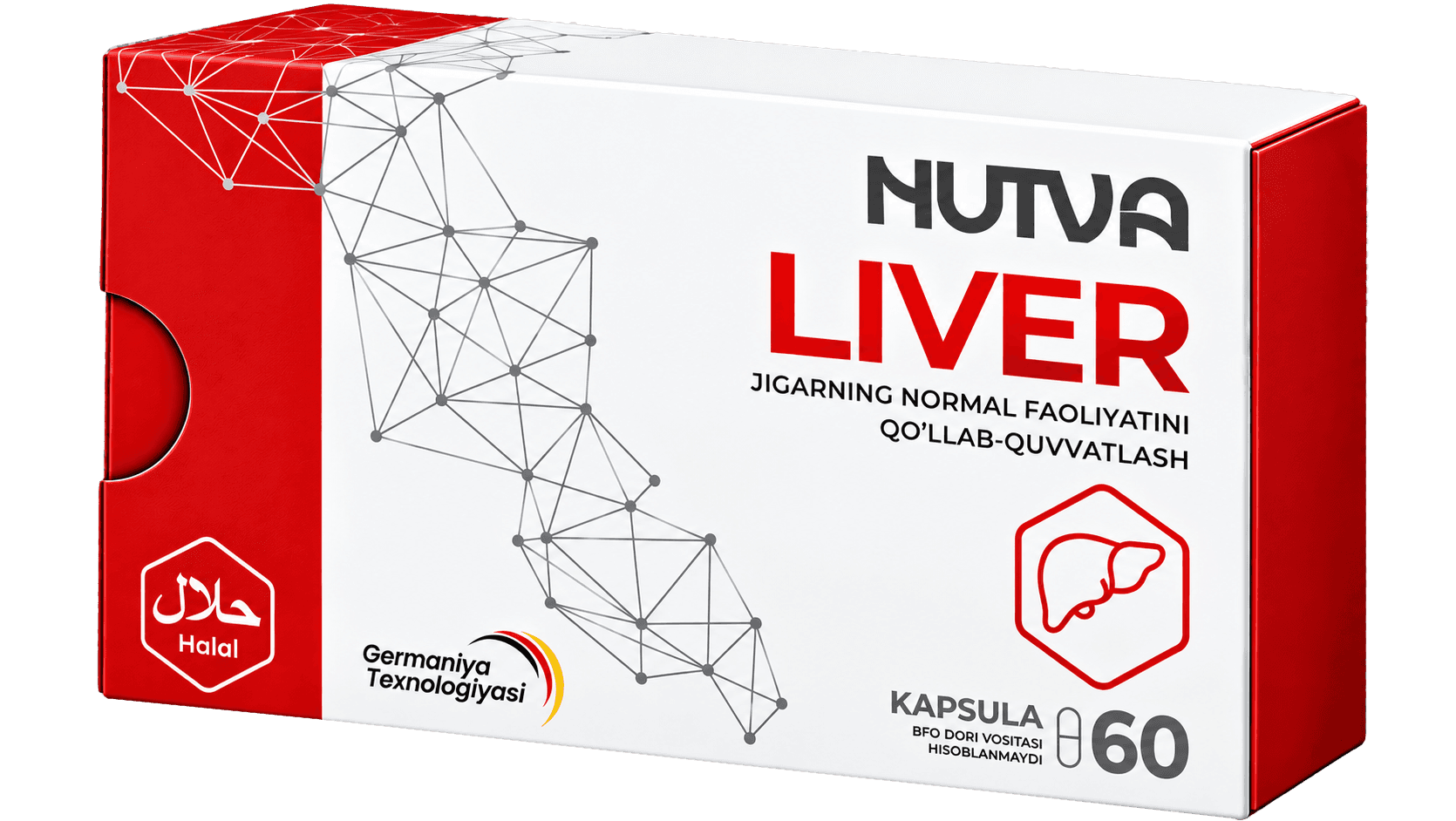
Nutva Liver
Silymarin, glutathione and vitamin E are linked to the natural defence of liver cells against oxidative stress. SAMe and betaine take part in metabolism in the liver, and artichoke extract is linked to bile flow and digestion. Nutva Liver helps support the liver alongside a plan of diet and activity.
1 450 000 870 000 UZS · per box · when buying 3
Nutva Liver contains UDCA: it is not taken when a bile duct is blocked by a stone. The product does not replace prescribed treatment.