What is it?
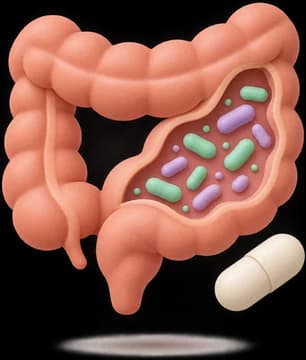
Trillions of bacteria live in the gut, and together they are called the microbiota. It takes part in digestion, in the production of vitamins and in the work of the immune system. Antibiotics act against disease-causing bacteria, but they can also affect friendly bacteria in the gut and temporarily change the composition and balance of the microbiota.
As a result, some people get loose stools, bloating and other digestive discomfort. In most people the microbiota gradually returns to normal within a few weeks after the course. Fibre-rich foods, fermented foods and probiotic and prebiotic ingredients may help support the microbiota. Proper nutrition and enough fluids play an important role here.
Main symptoms
- Loose stools: Frequent or watery stools, sometimes during the antibiotic course or after it.
- Bloating and gas: A feeling of fullness in the abdomen and rumbling.
- Abdominal discomfort: Mild pain or a feeling of tightness.
- Nausea: Reduced appetite and discomfort after eating.
- Change in stool pattern: Constipation or a change in how often you pass stool.
- Disturbed digestion: Discomfort after meals and more sensitivity to some foods.
Causes and risk factors
- A course of antibiotics: Broad-spectrum antibiotics in particular affect friendly bacteria too.
- Long or repeated antibiotic courses: The microbiota has less time to recover.
- Little fibre in the diet: Friendly bacteria do not get enough food.
- Intestinal infections: They disturb the balance of the microbiota further.
- Stress and an unbalanced diet: Processed and sugary food can affect the microbiota unfavourably.
- Alcohol: It puts extra strain on the digestive system and the microbiota.
Prevention and self-care
Take antibiotics only as prescribed
Do not take antibiotics on your own, and keep fully to the prescribed dose and length of the course.
Eat fibre-rich food
Vegetables, fruit, whole grains and pulses feed friendly bacteria.
Add fermented foods
Qatiq, kefir, ayran and other fermented dairy products help support the balance in the gut.
Do not forget onion and garlic
The prebiotic fibres in onion, garlic and vegetables (such as inulin) help friendly bacteria.
Drink plenty of fluids
With loose stools it is important to replace lost water by drinking enough fluids.
Avoid alcohol and heavy food
During the course and afterwards, alcohol and very fatty or fried food add strain on digestion.
Nutva
Nutva products to support your body
As a complement to a healthy lifestyle. These products are not medicines.
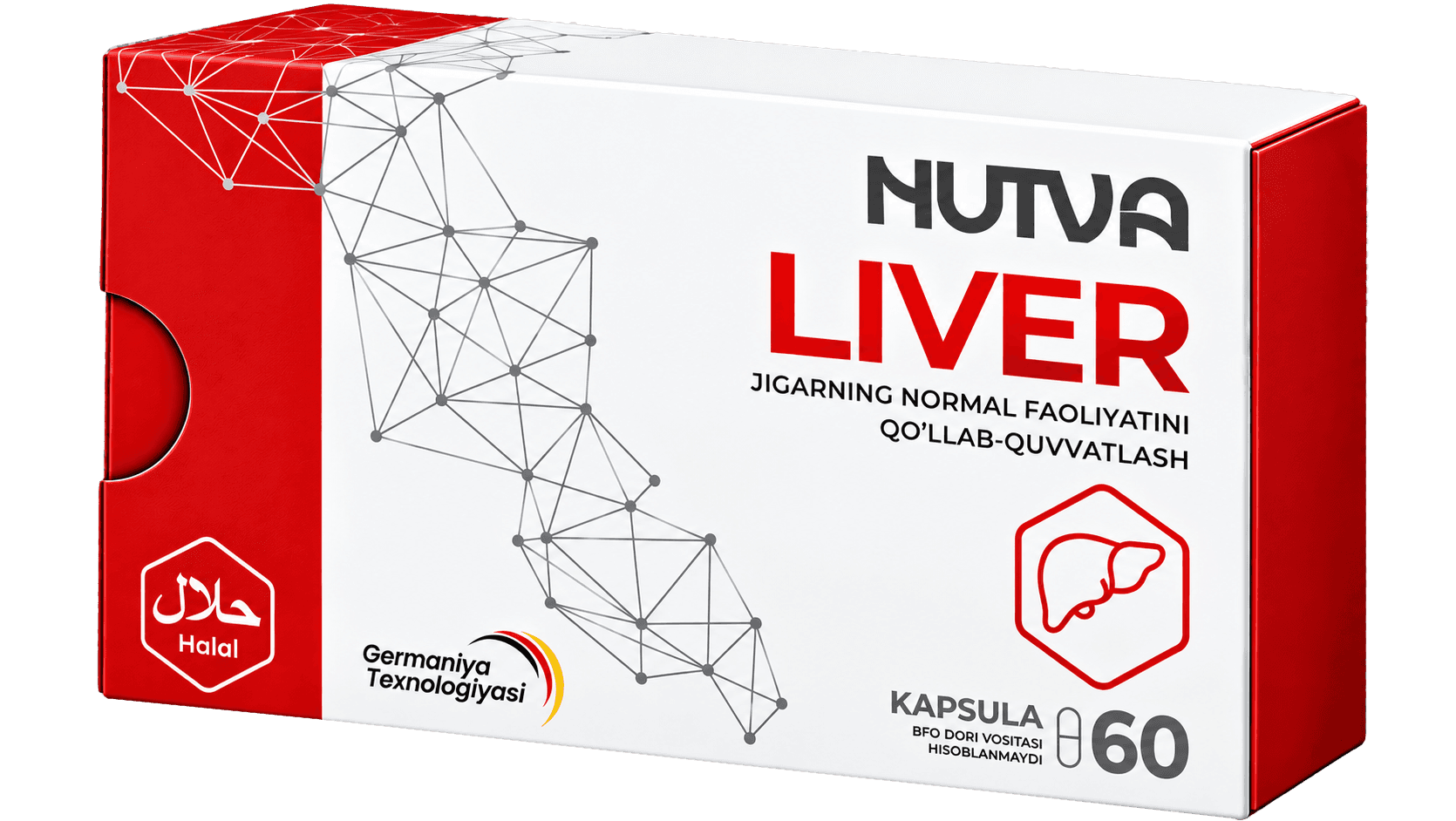
Nutva Liver
Nutva Liver contains probiotic cultures (Lactobacillus, Bifidobacterium) and the prebiotic fibre inulin: probiotics help support the balance of gut microorganisms, and inulin serves as food for friendly bacteria. In addition, silymarin, artichoke extract and glutathione support the work of the liver and digestion.
1 450 000 870 000 UZS · per box · when buying 3
Nutva Liver does not replace the antibiotic or its prescribed course. It contains UDCA: it is not taken when a bile duct is blocked by a stone.