What is it?
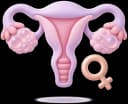
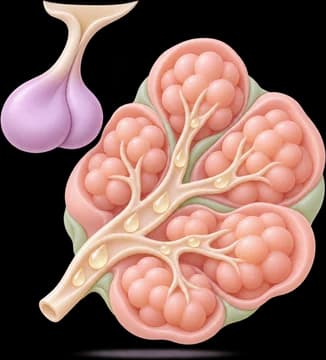
Prolactin is a hormone made by the pituitary gland in the brain, mainly controlling milk production during breastfeeding. A raised level in a woman who is neither pregnant nor breastfeeding is called hyperprolactinaemia. High prolactin can change the menstrual cycle and ovulation.
Prolactin can rise because of stress, sleep, physical strain, certain medicines, an underactive thyroid and changes in the pituitary gland. Some causes need prescribed treatment, so the condition cannot be managed on the basis of this page alone. Below is general information and everyday support.
Main symptoms
- Irregular or absent periods: the cycle may lengthen or periods may stop.
- Discharge from the breasts: a woman who is not breastfeeding may notice milk or fluid from the breasts.
- Difficulty conceiving: may be linked to changes in ovulation.
- Headache: seen in some cases.
- Lower libido: sexual desire may decrease.
- Tiredness and mood changes: general weakness or low mood.
Causes and risk factors
- Stress and physical strain: can cause a temporary rise in prolactin.
- Certain medicines: a number of drugs affect the prolactin level.
- Underactive thyroid: can occur together with raised prolactin.
- Changes in the pituitary gland: for example a benign tumour of the gland, a cause that needs prescribed treatment.
- Pregnancy and breastfeeding: prolactin is naturally high during these times.
- Irritation of the chest area: excessive stimulation of the nipples or injury nearby.
Prevention and self-care
Reduce stress
Walks, breathing exercises and rest help lessen stress-related swings.
Get enough sleep
Regular sleep supports the hormonal rhythm.
Watch your cycle
Recording period dates helps you notice changes sooner.
Do not change medicines on your own
Do not stop or swap prescribed treatment.
Eat well
Balanced meals and a healthy weight support the overall hormonal background.
Look after your thyroid
Use iodised salt and keep up with check-ups on time.
Nutva
Nutva products to support your body
As a complement to a healthy lifestyle. These products are not medicines.
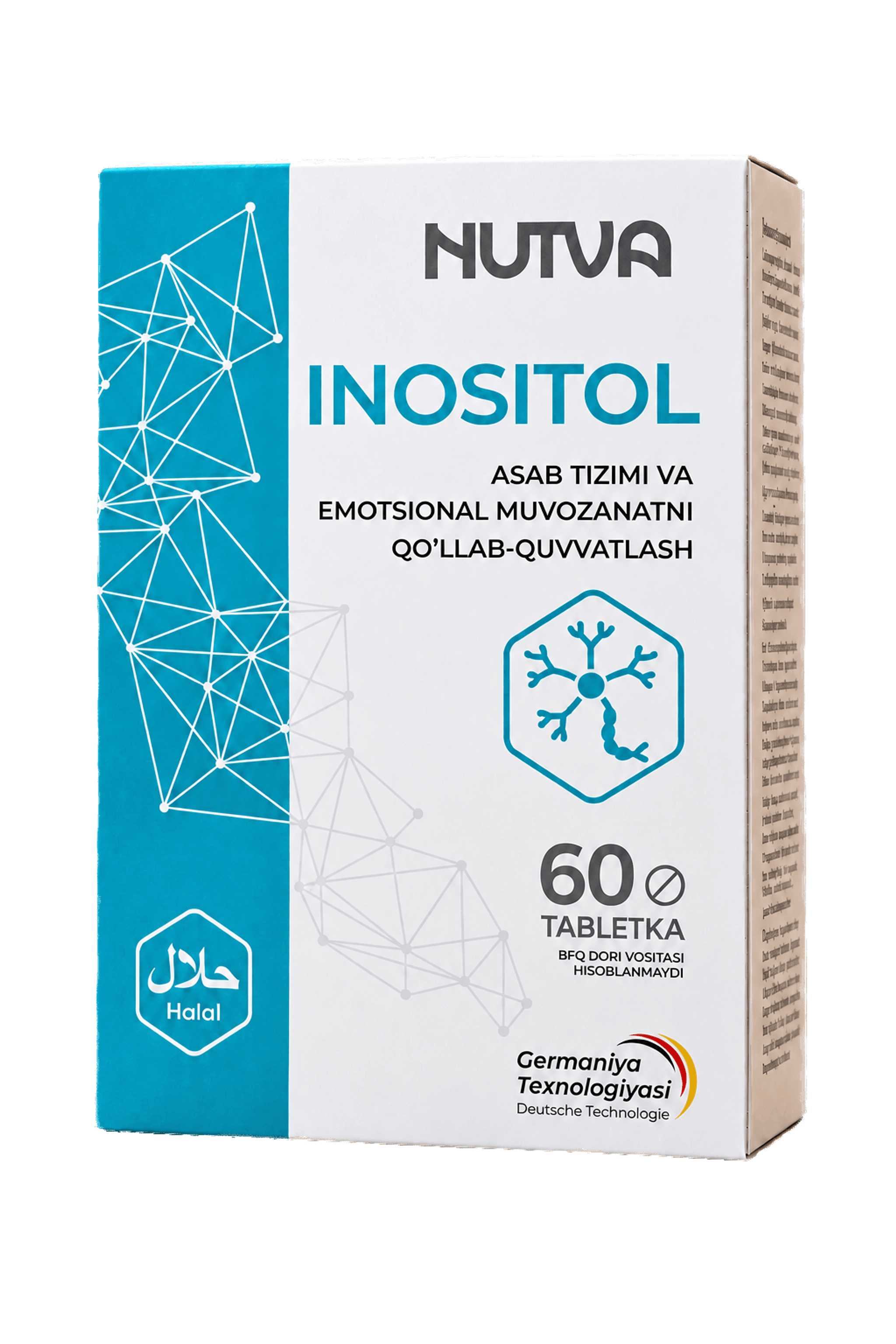
Nutva Inositol
Myo-inositol has been studied in processes linked to the normal function of ovarian cells and to insulin signalling, and 5-MTHF is the active form of folate. No claim is made that the product lowers prolactin; some causes of raised prolactin need prescribed treatment, which Nutva Inositol does not replace.
520 000 310 000 UZS · per box · when buying 3