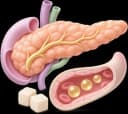
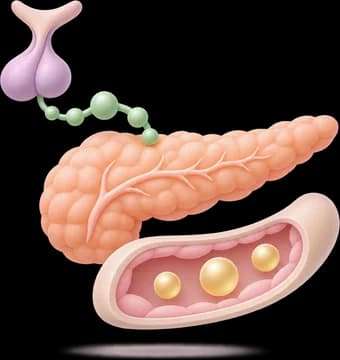
What is it?
Several hormones regulate blood sugar. Insulin helps glucose enter the cells, while cortisol, the stress hormone, tends to raise glucose levels. Sex hormones and thyroid hormones also influence metabolism and insulin sensitivity, so when the hormonal balance shifts, blood sugar can shift too.
For example, prolonged stress, lack of sleep, polycystic ovary syndrome or a change in thyroid function can affect insulin sensitivity. When you have diabetes, knowing these links helps you plan meals and your daily routine. If you take glucose-lowering medicines, never stop them on your own.
Main symptoms
- Swings in blood sugar: unexplained changes in readings after meals or in the morning.
- Constant thirst and frequent urination: may occur when sugar is high.
- Weakness and drowsiness: especially after eating.
- Sugar cravings: may be linked to changes in glucose metabolism.
- Weight gain: especially fat gathering around the waist.
- Cycle disturbances: in women, may reflect the interplay of insulin and sex hormones.
Causes and risk factors
- Reduced insulin sensitivity: cells respond less to insulin and sugar stays high in the blood.
- Chronic stress: cortisol tends to raise blood sugar.
- Changes in sex hormones: for example in polycystic ovary syndrome or around menopause, insulin sensitivity may change.
- Changes in thyroid function: they affect the speed of metabolism and glucose use.
- Low activity and excess weight: they reduce insulin sensitivity.
- Lots of sugar and refined carbohydrates: they cause sharp spikes in blood sugar.
Prevention and self-care
Eat regularly
Eat on time and limit sugar and white-flour foods.
Add protein and fibre
Vegetables, legumes and protein help soften the rise in sugar after a meal.
Keep moving
A short walk after meals and regular exercise help support insulin sensitivity.
Protect your sleep
Regular sleep of 7–8 hours supports the rhythm of stress hormones.
Manage stress
Breathing exercises, walks and rest help ease the load linked to cortisol.
Keep checking your sugar
Measure blood sugar as prescribed and never stop medicines on your own.
Nutva
Nutva products to support your body
As a complement to a healthy lifestyle. These products are not medicines.
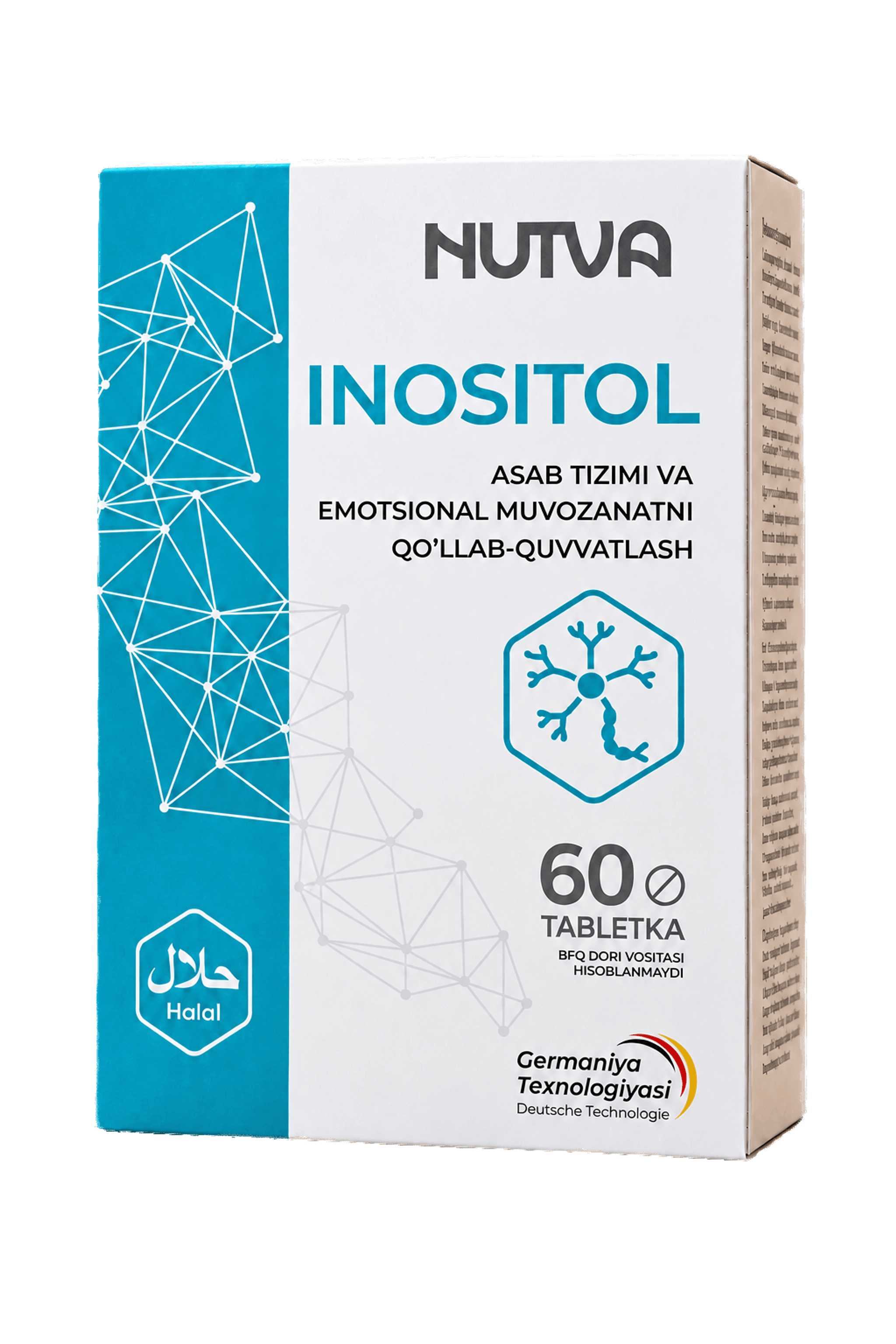
Nutva Inositol
Myo-inositol takes part in insulin signalling in cells and in glucose metabolism, and has been studied in research on insulin resistance; a direct normalising effect on hormones has not been confirmed. 5-MTHF is the active form of folate. Nutva Inositol does not replace glucose-lowering medicines, and they must not be stopped.
520 000 310 000 UZS · per box · when buying 3