
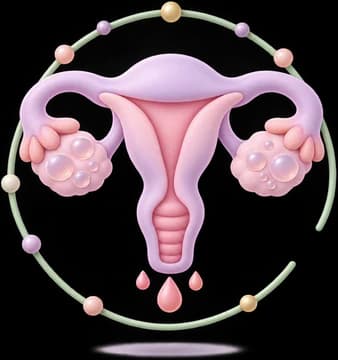
What is it?
The menstrual cycle runs from the start of one period to the start of the next, and in most women it lasts about 21 to 35 days. When the interval gets shorter or longer, periods stop for a while, or bleeding becomes very heavy or very light, it is called a cycle disorder. A small shift now and then is common, but repeated irregularity deserves attention.
The cycle is closely tied to hormones, ovarian function, body weight, stress and diet. In some women irregular periods go together with reduced sensitivity to insulin. The myo-inositol in Nutva Inositol has been studied in processes linked to normal ovarian cell function and can be used as an addition to a healthy lifestyle. This is why keeping a cycle calendar and noticing changes early is worthwhile, whatever the cause.
Main symptoms
- A changed interval: The cycle becomes shorter than 21 days or longer than 35.
- Missed periods: Periods do not come for several months in a row.
- A change in flow: Bleeding is unusually heavy or unusually light.
- Spotting between periods: Light bleeding appears in the middle of the cycle.
- Marked premenstrual discomfort: Lower abdominal pain, breast heaviness and mood swings.
- Skin and hair changes: Acne, oily skin or hair shedding may appear as well.
Causes and risk factors
- Stress: Prolonged nervous strain disturbs the rhythm of the cycle.
- Sharp weight changes: Strict diets, rapid weight loss or sudden gain affect hormonal balance.
- Excessive exercise: Very intense training drains the body's energy reserves.
- Insulin sensitivity and the ovaries: In conditions such as polycystic ovary syndrome (PCOS), cycles are often irregular.
- Thyroid function: Changes in the thyroid can also show up in the rhythm of periods.
- Life stages: Irregularity is common in the teenage years and in the years before menopause.
Prevention and self-care
Track your cycle
Note the first day of each period in a calendar or app so changes show up early.
Eat regularly
Eat a varied, sufficient diet and avoid very strict dieting.
Keep your weight steady
Avoid rapid weight loss or gain and change weight gradually.
Exercise in moderation
Brisk walking, yoga or swimming are good; avoid overtraining.
Manage stress
Set aside time for breathing exercises, walks and rest.
Sleep enough
Go to bed at the same time and sleep 7 to 8 hours to support hormonal rhythm.
Nutva
Nutva products to support your body
As a complement to a healthy lifestyle. These products are not medicines.
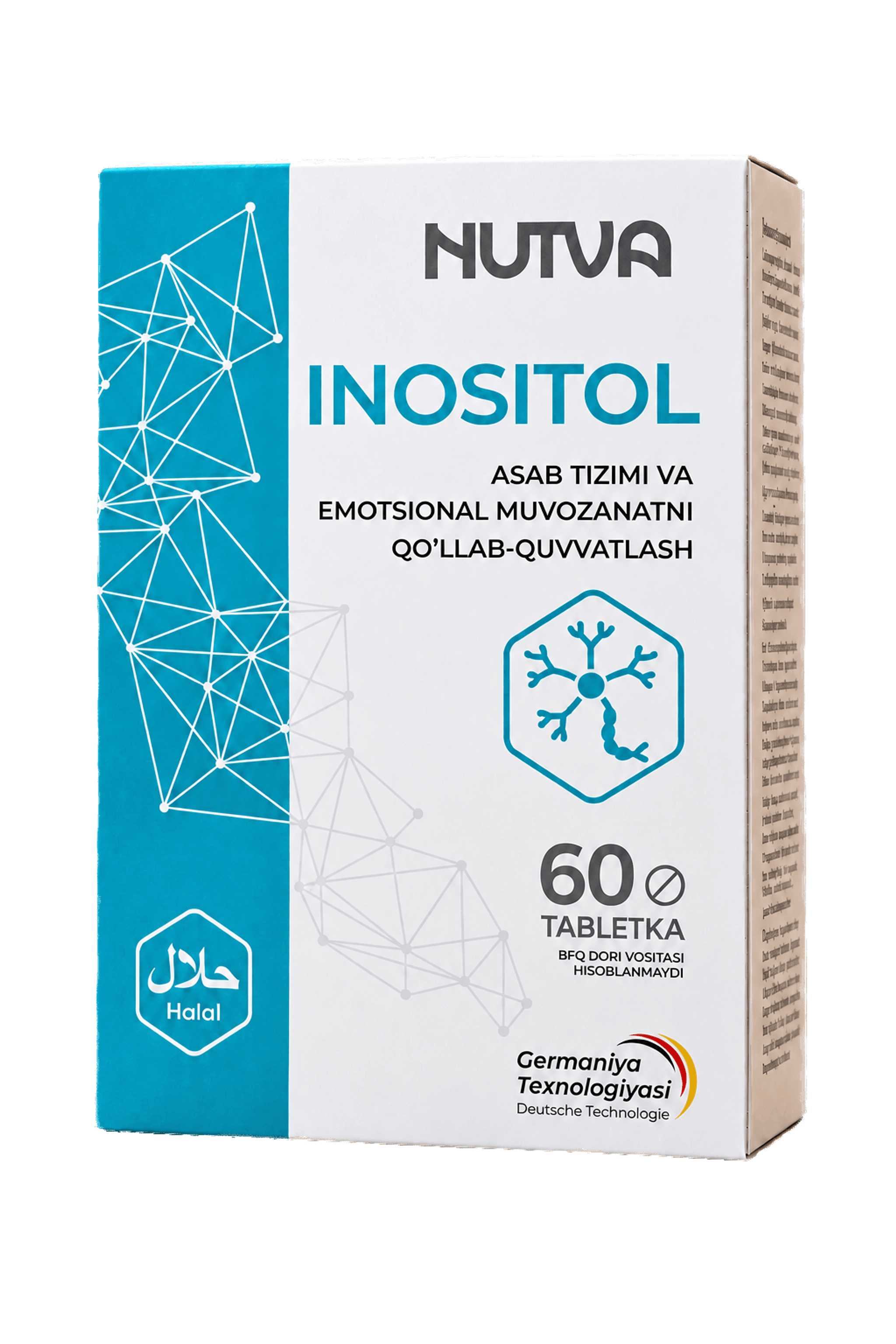
Nutva Inositol
Myo-inositol is linked to normal ovarian cell function and to insulin signalling. A direct normalising effect on hormones is not guaranteed. 5-MTHF is the active form of folate and takes part in cell division and blood formation. Nutva Inositol helps support women's health.
520 000 310 000 UZS · per box · when buying 3
Nutva Inositol does not replace prescribed treatment for hormonal conditions and is no reason to stop glucose-lowering medicines. It is not taken during pregnancy.