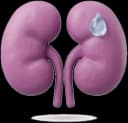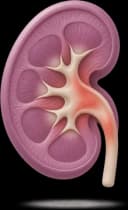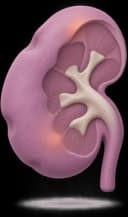
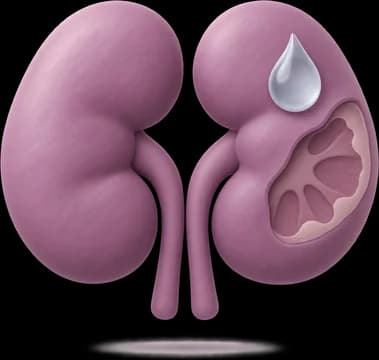
What is it?
Kidney failure means that the kidneys cannot clear enough waste products, excess fluid and salts from the blood. It can develop suddenly (acute form) or gradually over years (chronic form). The most common causes are diabetes, high blood pressure, kidney inflammation or a blockage of urine flow. Protecting the kidneys mainly comes down to blood pressure, blood sugar, diet and taking medicines correctly.
When kidney function falls, potassium, fluid and waste products build up in the body, so diet and medicines must follow the prescribed plan. In advanced stages prescribed methods of treatment are used, such as haemodialysis or a kidney transplant. The information below is general in nature. Kidney health depends on everyday habits, so the advice on this page is given as general guidance.
Main symptoms
- Weakness and tiring easily: Changes in the blood make the drained feeling worse.
- Swelling: Fluid collects in the face, legs and ankles.
- Changes in urine: The amount of urine falls, it becomes foamy and night-time urges increase.
- Nausea and loss of appetite: Linked to the build-up of substances that are not cleared.
- Itchy skin and muscle cramps: These can appear when the balance of electrolytes is disturbed.
- Shortness of breath and raised blood pressure: Due to excess fluid and salt.
Causes and risk factors
- Diabetes: Long-term high blood sugar damages the kidneys' blood vessels.
- High blood pressure: Long-standing hypertension strains the kidneys' blood vessels.
- Kidney inflammation: Glomerulonephritis and repeated pyelonephritis weaken kidney tissue.
- Blocked urine flow: Stones, an enlarged prostate or narrowing can damage the kidneys.
- Dehydration and severe infection: By sharply reducing blood flow to the kidneys, they can bring on the acute form.
- Uncontrolled use of medicines: Taking some painkillers and anti-inflammatory drugs for a long time harms the kidneys.
Prevention and self-care
Keep blood pressure under control
Measure it regularly and keep it within the prescribed range.
Keep blood sugar under control
With diabetes, keep blood sugar within the prescribed range.
Cut down on salt
Too much salt raises blood pressure and puts a load on the kidneys.
Don't take medicines without control
Do not take painkillers for long periods on your own.
Don't smoke and limit alcohol
Both have a negative effect on the kidneys' blood vessels.
Don't take potassium supplements on your own
With reduced kidney function, a build-up of potassium can be dangerous.
Nutva
Nutva products to support your body
As a complement to a healthy lifestyle. These products are not medicines.

Nutva Nefro
Nutva Nefro contains potassium citrate and magnesium citrate as well as plant components such as orthosiphon, field horsetail and Phyllanthus niruri. It is intended to support the urinary tract in people with preserved kidney function and is not recommended in kidney failure.
1 190 000 710 000 UZS · per box · when buying 3