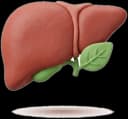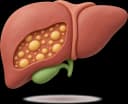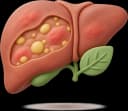
What is it?
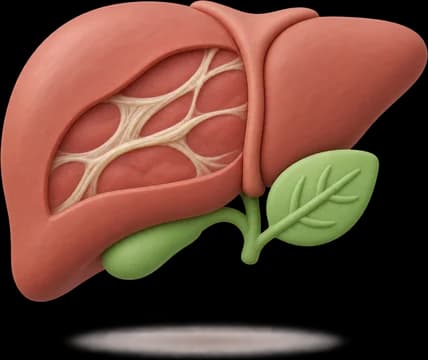
Liver fibrosis is a build-up of scar (connective) tissue in place of normal liver tissue as a result of long-term damage or inflammation of the liver. It is the liver's attempt to cope with injury, but if the damaging factor keeps acting, more and more scar tissue forms. Fibrosis is divided into stages: at a mild stage the liver usually does its job well, while at an advanced stage it can progress to cirrhosis.
In many cases fibrosis gives no symptoms for a long time, so it is found through liver enzymes, an ultrasound scan or a special test called elastography. Importantly, if the underlying cause, such as alcohol, excess weight or viral hepatitis, is brought under control, fibrosis at an early stage may slow down and sometimes even regress. That is why a healthy lifestyle and early control of risk factors matter so much.
Main symptoms
- No symptoms: At an early stage there are often no complaints.
- Tiredness and weakness: Lack of strength and quick fatigue may appear.
- Discomfort under the right ribs: A feeling of heaviness in the upper right abdomen.
- Reduced appetite and nausea: Unpleasant digestive sensations.
- Changes in tests: A change in liver enzymes, platelet count or special fibrosis markers.
- At an advanced stage: Jaundice, swollen legs and a larger abdomen may appear.
Causes and risk factors
- Fatty liver disease (MASLD): Chronic inflammation linked to excess weight and disturbed sugar metabolism.
- Alcohol: Long-term heavy drinking damages liver tissue.
- Chronic viral hepatitis B and C: The virus keeps inflammation going in the liver for years.
- Autoimmune and bile duct diseases: Immune processes or obstructed bile flow damage the liver.
- Metabolic diseases: Inherited disorders of iron or copper metabolism.
- Some medicines and toxins: Long-term exposure to substances harmful to the liver.
Prevention and self-care
Keep the underlying cause under control
The most important way to slow fibrosis is to remove the cause that produced it (alcohol, excess weight, a virus) and to follow the prescribed treatment.
Stop alcohol
Alcohol speeds up scarring of the liver, so it is recommended not to drink.
Keep a healthy weight
Gradual loss of excess weight helps reduce fat and inflammation in the liver.
Eat healthy food
A diet rich in vegetables, fruit, whole grains, fish and plant oils, with little sweet and fried food, is good for the liver.
Get vaccinated and keep good hygiene
Vaccination against hepatitis A and B and the use of sterile instruments protect the liver from further harm.
Keep an eye on liver health
At the scheduled times, check liver enzymes and have an ultrasound scan and elastography.
Nutva
Nutva products to support your body
As a complement to a healthy lifestyle. These products are not medicines.
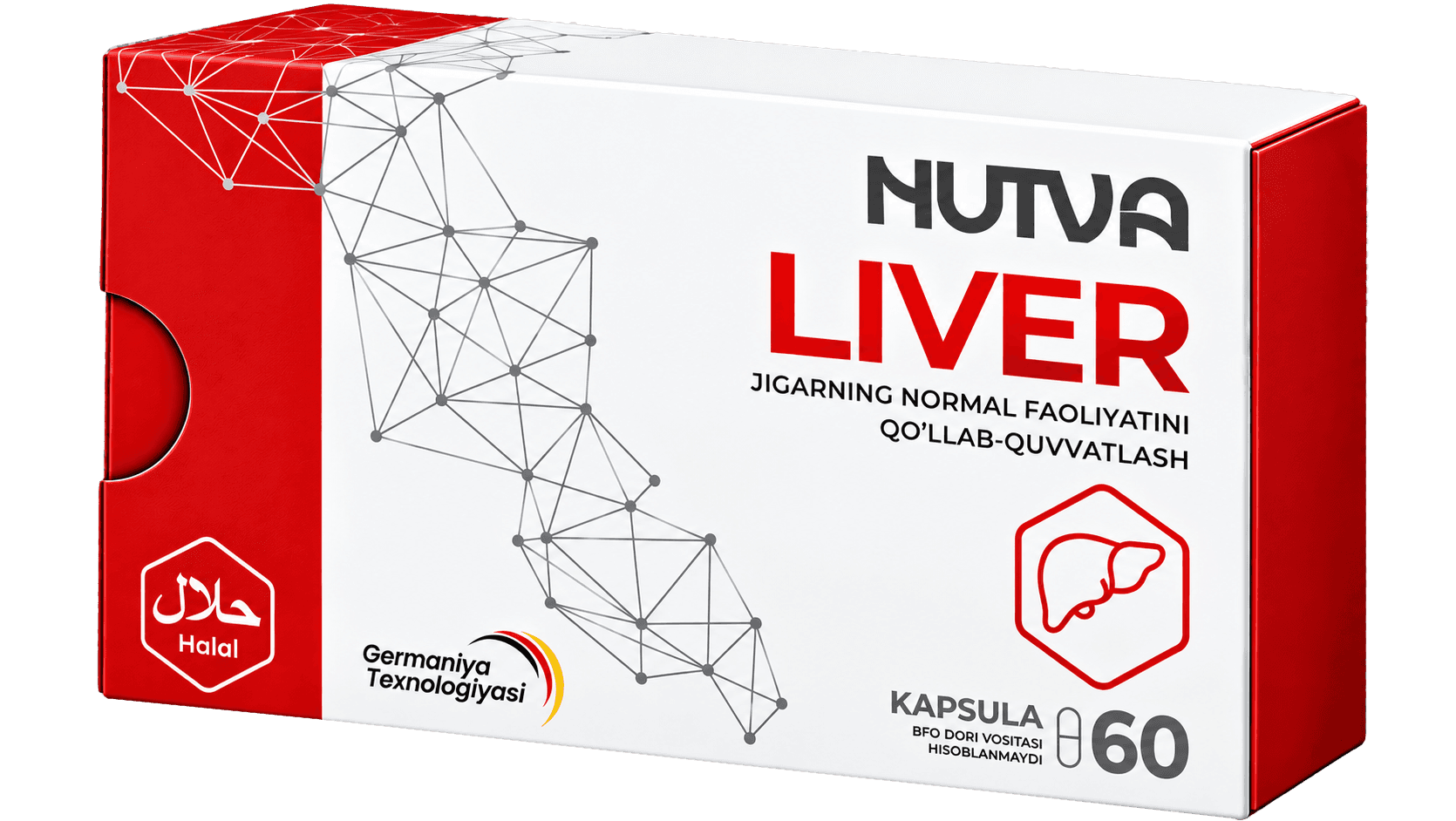
Nutva Liver
Silymarin, glutathione, NAC and vitamin E take part in protecting liver cells from oxidative stress, while SAMe and betaine are linked to metabolism in the liver. Nutva Liver helps support the liver as an addition to a healthy lifestyle and does not replace prescribed treatment aimed at the cause of fibrosis.
1 450 000 870 000 UZS · per box · when buying 3
Nutva Liver contains UDCA: it is not taken when a bile duct is blocked by a stone. The product does not replace prescribed treatment.