What is it?
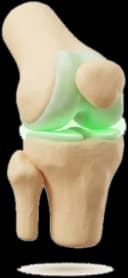
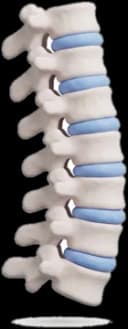
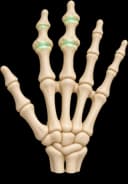
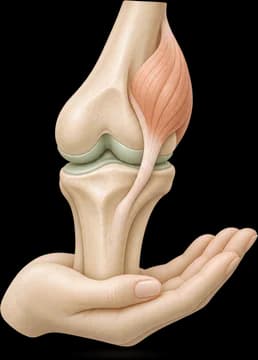
The musculoskeletal system is made of bones, joints, muscles and tendons that hold the body up and let it move, so it deserves steady attention and care. They work under load every day: walking, sitting, lifting, exercising. When the load goes beyond what is usual or the body does not get enough rest, the first signs of overload begin to appear.
This is not a disease but an ordinary signal from your body about strain, and it is worth paying attention to it early: stiffness in the morning, tightness after long sitting, tired muscles and minor aches. At such times a sensible movement routine, a comfortable workplace, enough sleep and simple massage help. Severe pain, swelling or injury are outside the scope of this page and are not solved by everyday care alone.
Main symptoms
- Morning stiffness: A feeling that joints and the lower back take a little while to loosen up after sleep.
- Tightness after long sitting: On standing up you feel stiffness in the lower back, hips and knees.
- Tired muscles: Even after ordinary chores there is heaviness and weakness in the legs, back or shoulders.
- Minor aches: After effort or long standing, temporary discomfort appears in the neck, back or knees.
- Discomfort when the weather changes: On cold, damp days tightness in the joints may increase.
- Slightly reduced freedom of movement: Bending, stretching or raising the arms feels a little harder than usual.
Causes and risk factors
- Sitting still for long periods: Working at a computer or driving in one position tires the muscles of the back, neck and shoulders.
- Poor posture: Slouching and an uncomfortable chair and desk put extra load on the joints.
- Repetitive movements or heavy loads: Repetitive work and lifting heavy things the wrong way strain muscles and tendons.
- Exercise without a warm-up: Skipping preparation before and stretching after leaves the muscles stiff.
- Extra weight and age: Extra kilograms add load on the knees and back, while flexibility naturally declines over the years.
- Chilling, too little sleep and too little rest: Cold, an uncomfortable bed and fatigue slow muscle recovery.
Prevention and self-care
Get up every 30–60 minutes
Walk for a few minutes, straighten your shoulders and back, and do not stay in one position for long.
Warm up and stretch
Five to ten minutes of warming up before exercise and light stretching afterwards prepare the muscles for the load.
Set up your workplace
Choose a suitable chair and desk height, keep the screen at eye level, feet flat on the floor and the lower back against the backrest.
Keep a healthy weight
Every extra kilogram is added load on the knee joints and lower back.
Move regularly and moderately
Walking, swimming or light gymnastics keep joints and muscles active; avoid sudden heavy strain.
Sleep well and rest
A comfortable mattress and enough sleep let the muscles recover from the day's load.
Nutva
Nutva products to support your body
As a complement to a healthy lifestyle. These products are not medicines.
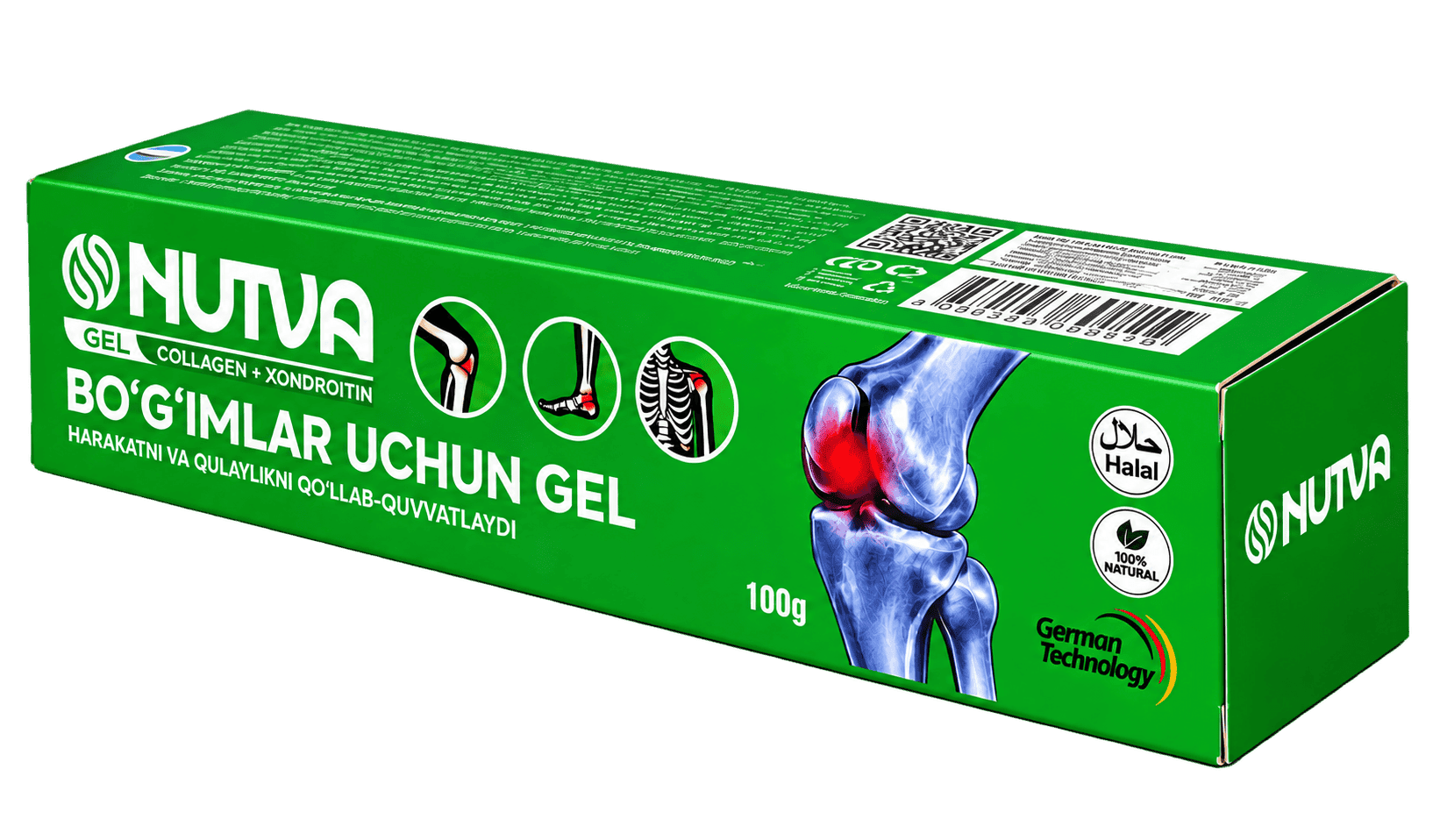
Nutva Gel
Menthol, camphor and eucalyptus leaf oil in Nutva Gel give a cooling and warming sensation when applied to the skin, and capsaicin adds a feeling of warmth; during massage this helps temporarily ease minor discomfort around muscles and joints. Glycerin, D-panthenol, sodium hyaluronate, vitamin E and collagen help keep the skin soft and moisturised. For external use only: do not apply to broken skin, avoid the eyes and mucous membranes, and stop using it if the skin becomes irritated.
480 000 280 000 UZS · per box · when buying 3