What is it?
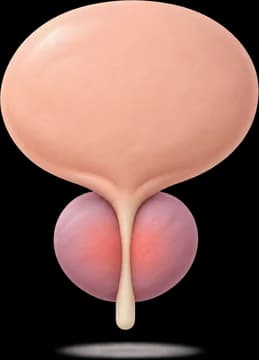
Prostatitis is inflammation of the prostate, the gland that sits below the bladder in men. It can be acute bacterial, chronic bacterial, or non-bacterial (chronic pelvic pain). The main signs are pain in the lower abdomen, groin and perineum, along with discomfort when urinating. Recognising the signs early and paying attention to fluid intake helps prevent the illness from becoming severe.
Prostatitis also occurs in men under 50 and can noticeably affect quality of life. The acute bacterial form begins abruptly with a fever and calls for prescribed treatment (antibiotics). In chronic forms, everyday habits such as movement, fluids and diet play their part. Daily hygiene, enough water and urinating on time are the simplest and most reliable habits for preventing a recurrence.
Main symptoms
- Pain and discomfort: Pain or heaviness in the lower abdomen, groin, perineum or lower back.
- Burning when urinating: Pain or a burning feeling while passing urine.
- Frequent urination: Getting up at night to urinate becomes more common.
- Weak urine stream: The stream is slow or interrupted, or the bladder feels not fully emptied.
- Fever and chills: In acute bacterial prostatitis the temperature rises and chills appear.
- General weakness: Tiredness and a low mood are possible.
Causes and risk factors
- Bacterial infection: Bacteria from the urinary tract can reach the prostate.
- Urinary tract infections: Repeated infections can involve the prostate as well.
- Sexually transmitted infections: Some of them affect the prostate.
- Impaired urine flow: When the bladder does not empty fully, bacteria multiply.
- Low activity and long sitting: Slower blood flow in the pelvic area and muscle tension can make discomfort worse.
- Catheters and medical procedures: Instruments placed in the urinary tract raise the risk of infection.
Prevention and self-care
Keep moving
If you sit for long hours, stand up and walk every hour; regular walking and light exercise are good for the pelvic area.
Drink enough fluids
Drinking water flushes the urinary tract and lowers the risk of infection.
Limit alcohol and smoking
Both have a negative effect on the urinary tract and general health.
Practise safe sex
Using protection lowers the risk of sexually transmitted infections.
Don't hold urine
Emptying the bladder on time keeps bacteria from building up.
Eat well
Vegetables, fruit, whole grains and a healthy weight support general health.
Nutva
Nutva products to support your body
As a complement to a healthy lifestyle. These products are not medicines.
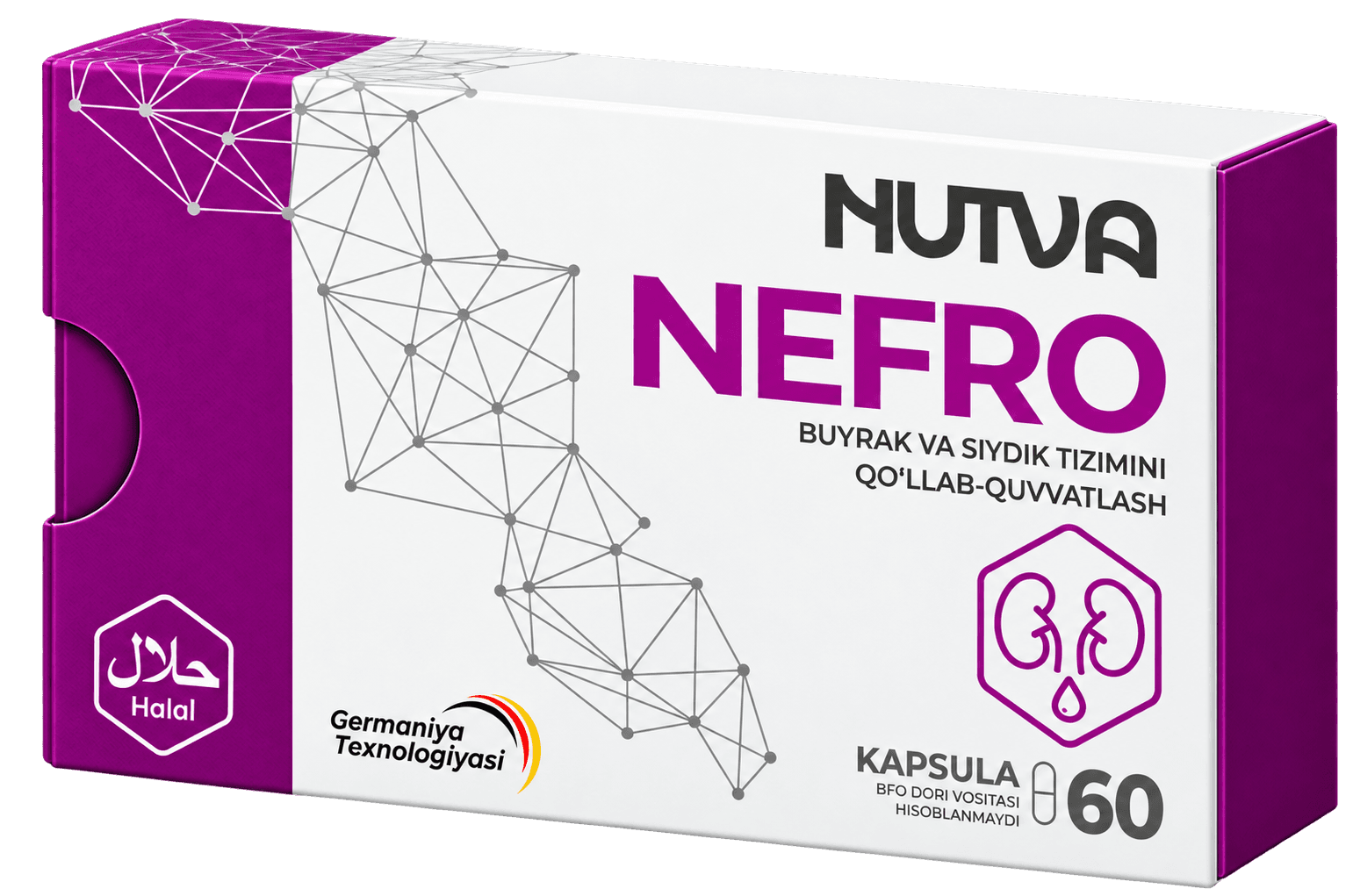
Nutva Nefro
Orthosiphon and field horsetail are traditionally used to support urine flow and urinary tract function; the product also contains Phyllanthus niruri and rosemary. Nutva Nefro only supports the urinary tract and does not replace prescribed treatment.
1 190 000 710 000 UZS · per box · when buying 3
Nutva Nefro contains potassium (150 mg): do not take it with reduced kidney function, kidney failure or high blood potassium. It does not replace antibiotics or prescribed treatment.