What is it?
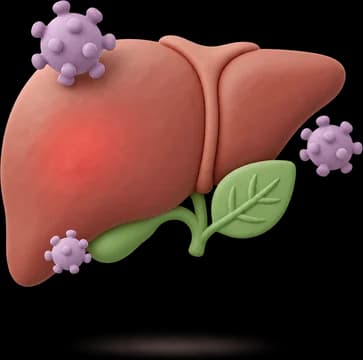
Viral hepatitis is a group of inflammatory diseases caused by viruses that infect liver cells. The most common types are A, B, C, D and E. Hepatitis A and E spread through contaminated water and food, usually run an acute course and often clear up on their own. Hepatitis B, C and D spread through blood and other body fluids; B and C can become chronic, and the D virus develops only in a person already infected with the B virus.
Chronic hepatitis can go without symptoms for years and lead to scar tissue and cirrhosis of the liver. There are vaccines against hepatitis A and B, and the hepatitis B vaccine also protects against hepatitis D. Hygiene rules and safe medical and cosmetic procedures lower the risk of infection. So vaccination, handwashing and sterile instruments are simple everyday measures that give the most reliable protection.
Main symptoms
- Tiredness and weakness: Lack of strength, quick fatigue, sometimes a raised temperature.
- Reduced appetite and nausea: Aversion to food and vomiting.
- Jaundice: Yellowing of the skin and whites of the eyes.
- Change in urine and stool colour: Urine becomes dark and stools become pale.
- Heaviness under the right ribs: Discomfort or pain in the upper right abdomen.
- No symptoms: In chronic hepatitis B and C there may be no complaints for a long time.
Causes and risk factors
- Hepatitis A and E viruses: Spread through contaminated water, unwashed vegetables and fruit, and undercooked food.
- Hepatitis B and C viruses: Spread through contact with infected blood and through non-sterile instruments, needles and syringes.
- Sexual contact: Hepatitis B and D can spread through unprotected sex.
- From mother to child: Hepatitis B in particular can pass to the newborn during birth.
- Shared hygiene items: Sharing razors, toothbrushes and nail tools.
- Poor sanitation: A lack of clean drinking water or of the chance to wash hands.
Prevention and self-care
Get vaccinated against hepatitis A and B
Safe vaccines exist against these two types. Newborns are given the hepatitis B vaccine soon after birth.
Wash your hands often
Wash your hands with soap before eating and after using the toilet. Wash vegetables and fruit thoroughly.
Drink clean water
Drink boiled or good-quality purified water; avoid water from doubtful sources and undercooked dishes.
Use single-use, sterile instruments
For injections, dental work, nail treatments, tattoos and piercings, insist on single-use or sterilised instruments.
Keep personal items separate
Do not share razors, toothbrushes or nail scissors.
Avoid alcohol
Alcohol increases liver damage in viral hepatitis, so it is better not to drink.
Nutva
Nutva products to support your body
As a complement to a healthy lifestyle. These products are not medicines.
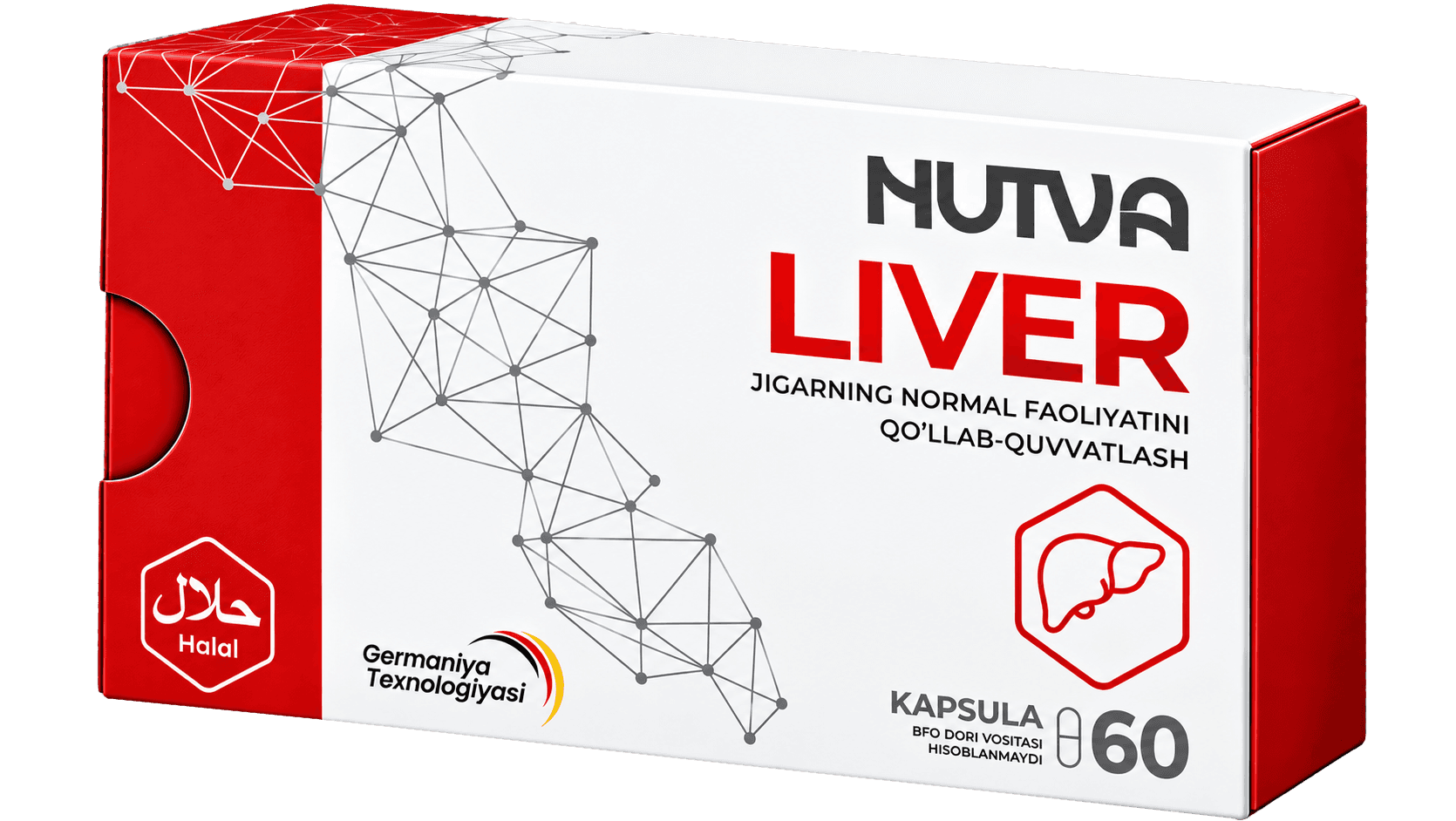
Nutva Liver
Silymarin, glutathione, NAC and vitamin E take part in protecting liver cells from oxidative stress, while SAMe and betaine are linked to metabolism in the liver. Nutva Liver does not act on the virus and does not replace prescribed antiviral therapy; it is only an additional means of supporting the liver.
1 450 000 870 000 UZS · per box · when buying 3
Nutva Liver does not act on the virus and does not replace prescribed therapy. It contains UDCA: it is not taken when a bile duct is blocked by a stone.