
ALT and AST Blood Test: Normal Range and What High Levels Mean
Understand your ALT and AST results: why these enzymes rise, why one result is not a diagnosis and what your doctor will check next.
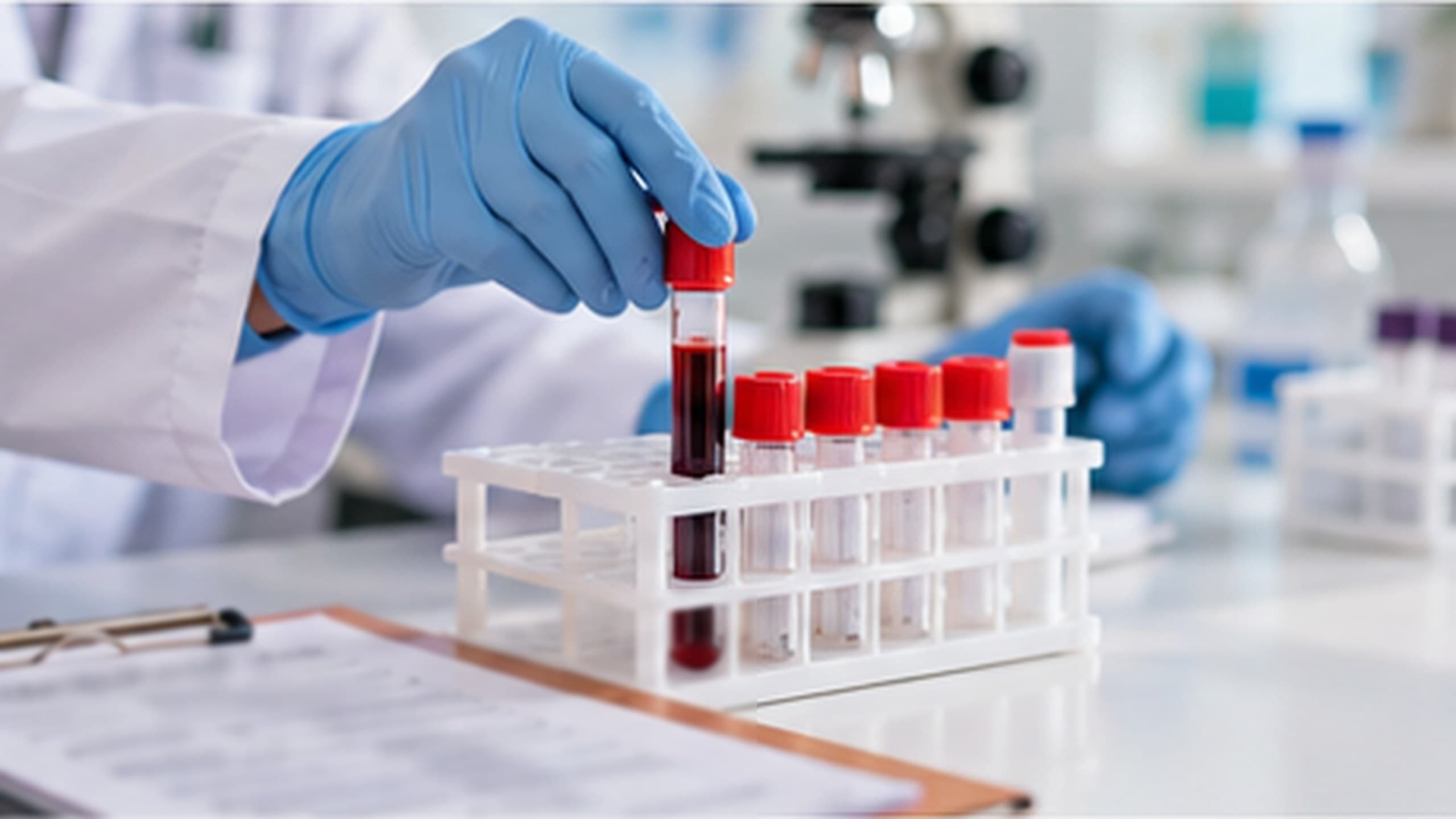
You have had a blood test, and next to ALT or AST the form says "high". Feeling worried is natural, but first it helps to understand what ALT and AST are and what these numbers actually show. This article covers the difference between the two enzymes, why they rise, why a single result is not yet a diagnosis and what a doctor will check next. If what bothers you is not a test result but pain under the right ribs, start with our article on liver pain symptoms.
What are ALT and AST?
ALT (alanine aminotransferase) and AST (aspartate aminotransferase) are enzymes: proteins that speed up chemical reactions in the body. They work inside cells, and normally only small amounts are found in the blood.
- ALT is found mainly in the liver. According to the US National Library of Medicine (MedlinePlus), when liver cells are damaged ALT is released into the bloodstream and its level rises. That is why ALT is considered a more "liver-specific" marker.
- AST is also found mostly in the liver, but it is present in the heart, muscles and other tissues too. So a raised AST is not always about the liver.
Both are usually measured together as part of a blood chemistry panel, and the doctor assesses them against each other and against other liver tests.
When is an ALT and AST test ordered?
According to MedlinePlus, the test is ordered:
- during a routine check-up, as part of liver function tests;
- when there are signs of liver damage: jaundice, tiredness, nausea, abdominal swelling, dark urine;
- when there are risk factors: a family history of liver disease, heavy alcohol use, obesity, diabetes, taking medicines that can affect the liver or possible exposure to hepatitis.
A doctor may also check ALT and AST from time to time during long-term treatment with medicines that can affect the liver.
What is the normal range for ALT and AST?
This is the most common question, but it cannot be answered with a single number. Reference ranges differ between laboratories, depending on the equipment and method used; age and sex affect the result too. So:
- compare your result not with a table from the internet but with the reference column on the same lab's report;
- if possible, repeat the test at the same lab, which makes numbers easier to compare;
- a slightly abnormal result, like a normal one, is not a conclusion on its own.
MedlinePlus stresses that a result outside the normal range does not always mean a condition that needs treatment. And the reverse is true as well: a normal ALT does not guarantee a healthy liver. Fatty liver, for example, is sometimes found with unchanged enzymes.
Why do ALT and AST go up?
There are many reasons. Based on MedlinePlus and NIDDK, the most common are:
- Fatty liver (hepatic steatosis). According to NIDDK, raised ALT and AST can suggest fatty liver disease. The main risk factors are excess weight, insulin resistance or type 2 diabetes and high blood fats. Read more in our fatty liver guide.
- Alcohol. Regular heavy drinking damages liver cells.
- Medicines and supplements. According to MedlinePlus, some cholesterol and pain medicines can raise ALT, and dietary supplements can affect results too. Do not stop a prescribed medicine yourself; talk to your doctor.
- Viral hepatitis. Hepatitis B and C can be silent for a long time, so they are often tested for when enzymes are raised.
- Muscles. Intense exercise, a muscle injury or a seizure can raise AST, because it is also found in muscle.
- Bile ducts and other conditions. Gallstones, pancreatitis, iron overload (haemochromatosis), heart problems and reduced blood flow to the liver.
As you can see, "high ALT" does not simply mean "a diseased liver". Finding the cause is the doctor's job.
Why does a single result mean little?
According to MedlinePlus, liver function tests alone usually cannot diagnose a specific disease. There are several reasons:
- Temporary changes. A recent illness, intense exercise or some medicines can raise enzymes for a while. That is why a doctor often repeats the test after some time.
- The overall "picture" matters. The doctor looks at ALT together with AST, bilirubin, alkaline phosphatase and GGT. Which value has changed most can hint at the cause.
- The number does not always reflect severity. Enzymes show strain on liver cells, but they do not directly measure the degree of scarring (fibrosis). Other tests are needed for that.
The liver panel: what else is there besides ALT and AST?
ALT and AST are often ordered not on their own but as part of a "liver panel". According to MedlinePlus, it may include:
| Marker | What it reflects |
|---|---|
| ALT, AST | Strain on, or damage to, liver cells |
| Alkaline phosphatase (ALP), GGT | Linked to the liver and bile flow; ALP can also rise in bone disease |
| Bilirubin | Formed when old red blood cells break down and cleared by the liver; when raised, jaundice may appear |
| Albumin, total protein | Proteins made by the liver, reflecting its "production" capacity |
| Prothrombin time (PT/INR) | Blood clotting; the liver makes clotting proteins |
The combination of changes helps the doctor judge whether the problem lies in the liver cells, the bile ducts or outside the liver.
If ALT is high, what will the doctor check next?
The next steps depend on how far the result is from normal, your symptoms and your risk factors. Usually the doctor will:
- ask about alcohol, medicines, vitamins and herbal products, recent illness and physical exertion;
- may suggest repeating the test after some time;
- order hepatitis B and C tests;
- arrange an abdominal ultrasound, which can show liver fat and gallstones;
- if needed, order other tests such as iron studies, blood sugar and cholesterol;
- according to NIDDK, scores such as FIB-4 can be calculated from routine results, and elastography can measure liver stiffness; a liver biopsy is not for everyone and is done only when indicated.
Do not interpret the result yourself or rush to choose medicines or supplements. The cause has to be found first.
How to prepare for an ALT and AST test
- Fasting. According to MedlinePlus, you are usually asked not to eat for 10 to 12 hours before a liver panel, but your doctor gives the final instructions.
- Avoid intense exercise. Strenuous activity can affect the result, so it is wise to postpone hard workouts in the days before the test.
- List of medicines. Tell your doctor about all the medicines, vitamins and supplements you take. Do not stop them on your own.
- Alcohol. Do not drink before the test, and be open with your doctor about your usual intake: it matters for the right conclusion.
What matters for ALT and AST to return to normal?
There is no special tea or capsule that "lowers" enzymes: the value changes depending on the cause. So the main task is to find the cause and act on it. In fatty liver, for example, the NHS and NIDDK recommend gradual weight loss, movement, cutting out sugary drinks and excess sugar, and limiting alcohol. For a practical food list, see our article on foods that are good for the liver.
If a medicine is the cause, only a doctor can decide to change or stop it. If hepatitis is found, a specialist sets the monitoring and treatment plan.
When to see a doctor
If ALT or AST is above the normal range, take the result to your family doctor or a gastroenterologist, even if you feel well. Go sooner if:
- the abnormal result comes with jaundice, itchy skin, dark urine or pale stools;
- you have constant tiredness, loss of appetite or unexplained weight loss;
- your abdomen or legs become swollen;
- enzymes stay high on a repeat test or keep rising;
- the rise appeared after starting a new medicine.
Call emergency services immediately if you develop severe abdominal pain, jaundice with a high temperature, vomiting blood, black stools, or sudden confusion or drowsiness.
How Nutva Liver can support normal liver function
A dietary supplement is not a way to "fix" a test result. Once the cause is known and you have a plan with your doctor, you can discuss a liver-support supplement as an addition to healthy eating and activity.
Nutva Liver is a dietary supplement (BFQ) designed to support normal liver function and natural metabolic processes. It is made by NUTVA PHARM LLC, Uzbekistan. One capsule (500 mg) contains: silymarin 100 mg, ursodeoxycholic acid (UDCA) 100 mg, S-adenosylmethionine (SAMe) 65 mg, N-acetylcysteine (NAC) 50 mg, glutathione 40 mg, artichoke (Cynara scolymus) 40 mg, L-ornithine-L-aspartate (LOLA) 40 mg, inulin 15 mg, vitamin E 10 mg, glycyrrhizic acid 10 mg, betaine 10 mg, probiotics (Lactobacillus, Bifidobacterium) 10 mg, catechins 10 mg. The pack holds 60 capsules.
Permit number: №1578934. This product is not a medicine. If you have gallstones, bile duct obstruction, liver disease under treatment or are pregnant, consult a doctor first; the supplement does not replace prescribed treatment. Before a blood test, tell your doctor about all supplements you take. How to take it: follow the instructions on the pack and your doctor's advice. Supplements do not replace a balanced diet, sleep, physical activity and prescribed medicines. Product page: Nutva Liver.
Frequently asked questions
What are ALT and AST, and what do they show?
They are enzymes that work in liver cells. When cells are damaged, more of them enter the blood, so the test can show that the liver is under strain. ALT is found mainly in the liver, while AST is also found in the heart and muscles.
If ALT is high, does it definitely mean hepatitis?
No. ALT can rise with fatty liver, alcohol, some medicines, a recent illness and other causes. To rule out hepatitis B and C, the doctor orders separate tests.
AST is high but ALT is normal: what does that mean?
Because AST is also found in muscle and the heart, this result is sometimes linked to causes outside the liver, such as intense exercise or a muscle injury. But the doctor draws the final conclusion together with other tests.
Do you need to fast for an ALT and AST test?
Usually yes: before a liver panel you are typically asked not to eat for 10 to 12 hours. Still, follow the instructions of your lab and your doctor.
Can ALT be high if the liver does not hurt?
Yes, this is common. Fatty liver and chronic hepatitis can cause no symptoms for a long time. So if your enzymes are raised, see a doctor even if there is no pain. We explain which pain is linked to the liver in our article on liver pain symptoms.
This article is for general information. It does not replace a doctor's examination or treatment. Nutva products are not medicines.